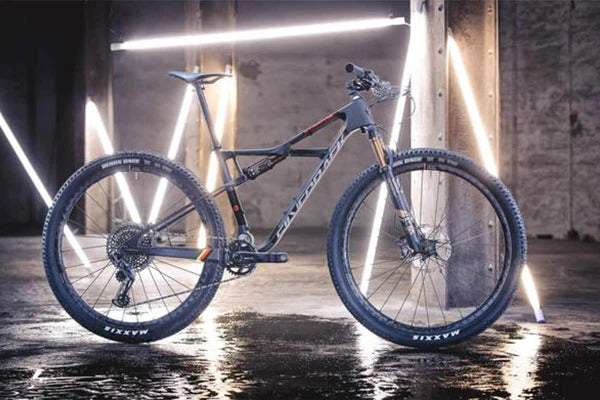
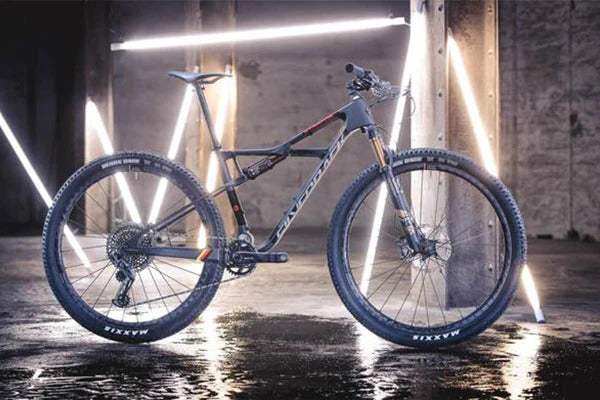
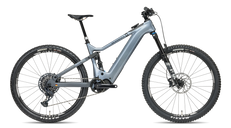
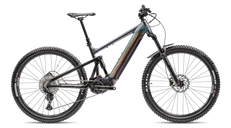
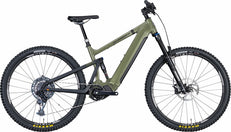
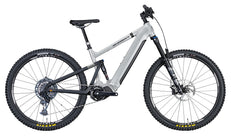
150/145mm Travel
 29" x 2.5" Wheels
 1x12 Speed SRAM AXS
 EP-801 Shimano Motor
 85Nm Torque
 720Wh Battery
 from 20.9kg
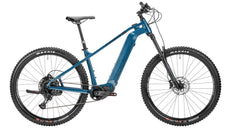
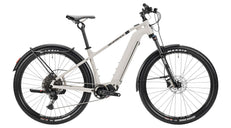
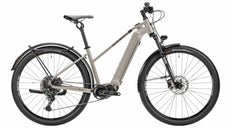
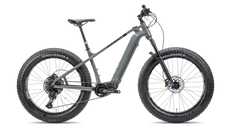
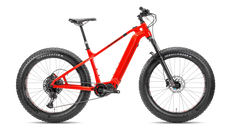

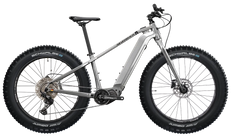

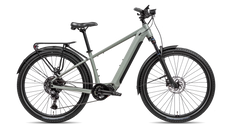
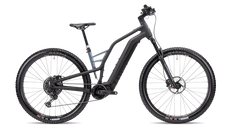
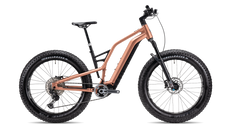
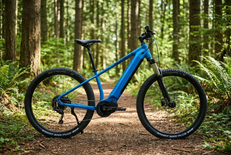
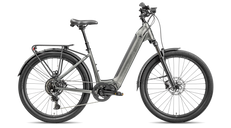
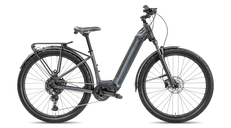
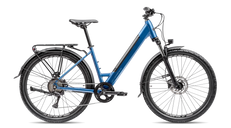
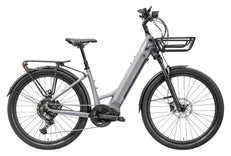
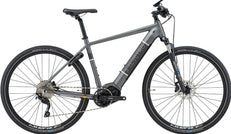
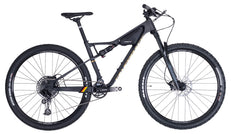
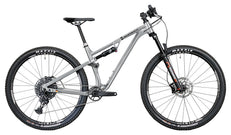
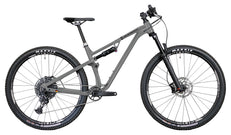
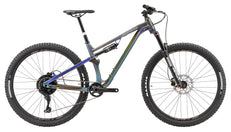
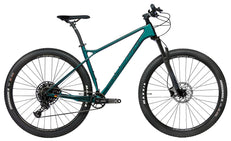
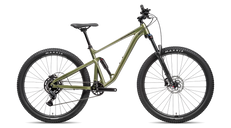
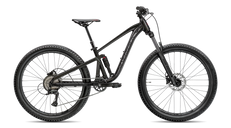
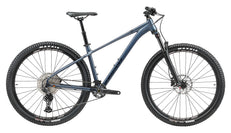
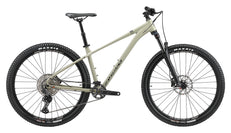
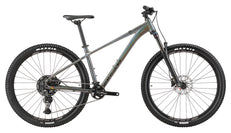
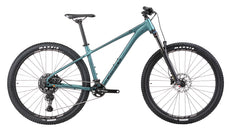
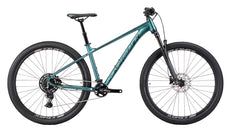
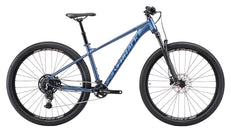
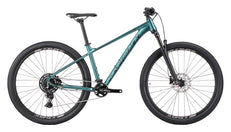
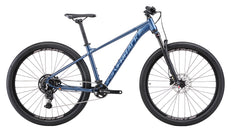
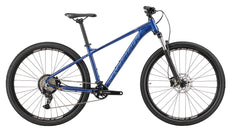
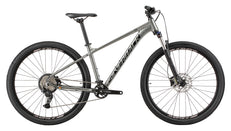
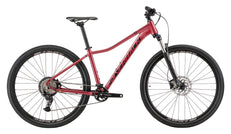
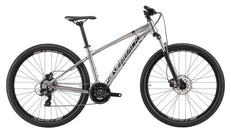
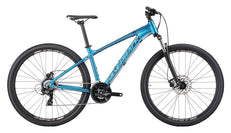
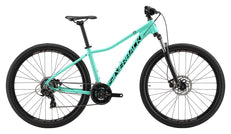
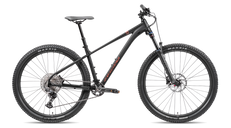
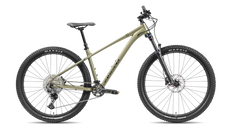
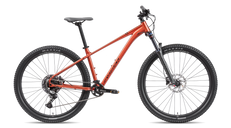
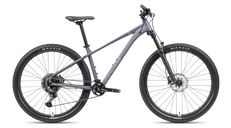
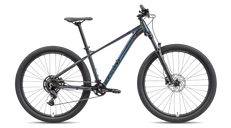
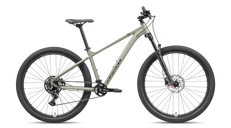
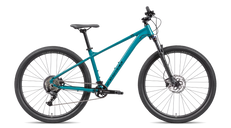
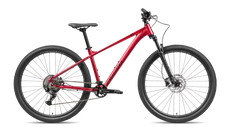
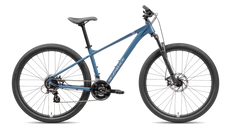
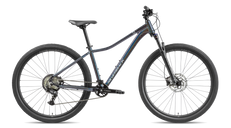
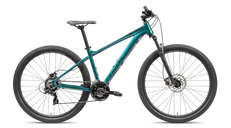
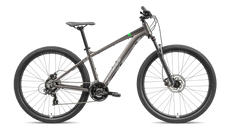
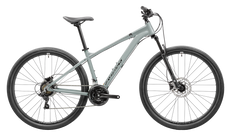
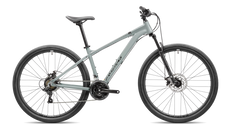
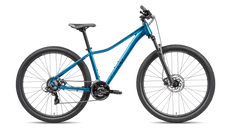
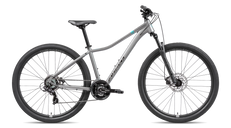
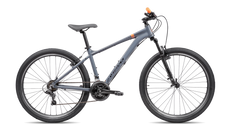
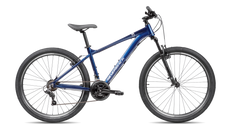
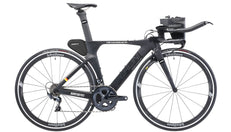
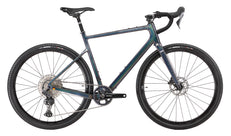
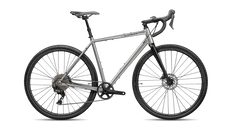
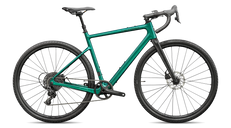
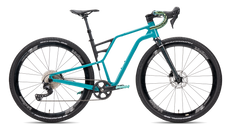
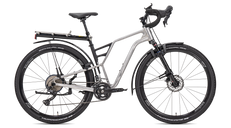
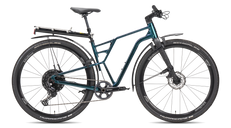
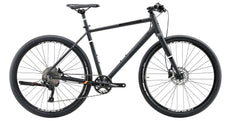
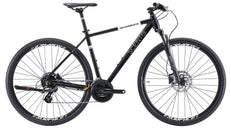
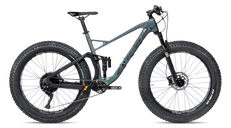
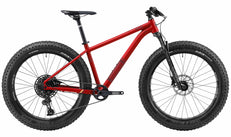
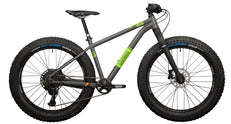
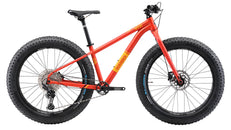
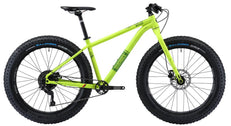
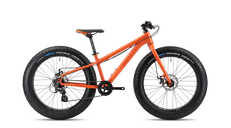
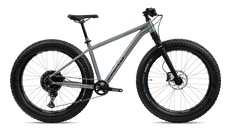
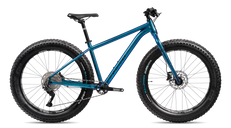
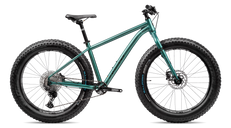
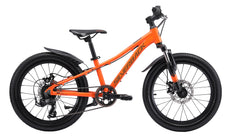
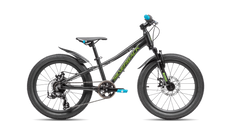
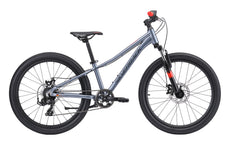
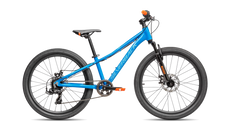
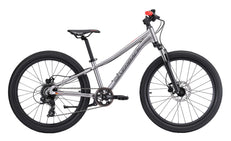
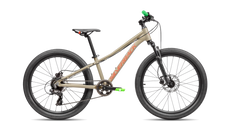
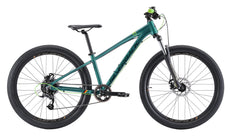
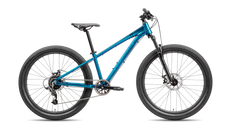
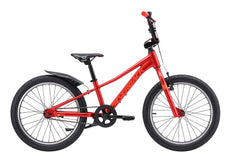
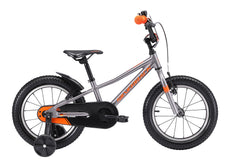
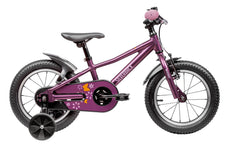
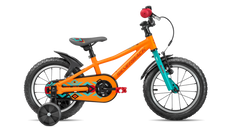
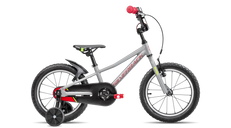
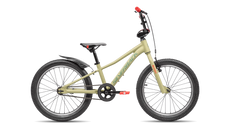




A lightweight kids bike can make everyday riding easier: starting from a stop, steering around an obstacle, pushing uphill and getting going again after a wobble. For young riders, these ordinary moments shape whether cycling feels enjoyable or frustrating. But low weight is not the whole answer. The right bicycle must also fit, stop predictably and suit the surfaces your child rides.
This guide explains the practical benefits of manageable weight and how to assess them. For the wider buying decision, read our complete parent’s kids bike buying guide.
Why bike weight feels different to a child
Small riders move the whole bicycle
Adults often judge a bicycle by how it feels while cruising. Children also have to walk it, turn it around and hold it upright while learning. A bike that seems easy for a parent to lift may be demanding for a much smaller rider. Assess the complete bicycle with its fitted accessories, not just the frame.
Compare candidates in the kids bikes collection within an appropriate size range. A smaller bicycle is not automatically a suitable way to reduce weight if your child has outgrown its riding position.
Weight and fit work together
An oversized light bike can still be difficult to control. Long reach, awkward ground contact and hard-to-reach brakes can outweigh the benefit of saving weight. Measure height and inseam, check the exact model’s saddle range and reach, then compare manageable options that fit today. A simple candidate such as the Skid 20 (New Gen) still needs these individual fit checks.
Five practical benefits of a manageable bike
1. Easier starts
A child has to move their own body and the bicycle when setting off. Reducing unnecessary bike weight can make repeated starts less demanding, particularly during learning sessions. Gearing, surface and technique also matter, so compare starts on the same quiet, level stretch.
2. More manageable low-speed handling
Slow turns, walking the bicycle and repositioning it are useful checks. Notice whether your child can turn without pulling the handlebars sharply or asking you to hold the bike. Weight is one influence; frame proportions and steering setup affect the experience too.
3. Less effort on inclines
On a climb, rider and bicycle both have to gain height. Unnecessary weight adds to that task. A manageable bicycle and suitable gearing can help, but neither makes a steep route appropriate for every beginner. Choose a route that matches the child’s current ability.
4. Fewer frustrating everyday moments
Stopping at a gate, walking through a park entrance and restarting beside a parent are part of real cycling. A bike your child can manage more independently may make these moments smoother. Confidence comes from successful practice, not from a weight figure alone.
5. Easier handling off the bike
Children sometimes need to push or reposition their bikes, while parents handle storage and transport. Lower complete-bike weight can help both. Keep lifting tasks age-appropriate, and do not expect a child to carry a bicycle up stairs simply because it is described as lightweight.
Compare weight without overlooking equipment
| Comparison | Useful question | What not to assume |
|---|---|---|
| Frame material | What does the complete bike weigh? | One material guarantees the lightest build |
| Rigid or suspension fork | Does the route justify added equipment? | Suspension is essential for every child |
| Simple or geared drivetrain | Will gears help on the intended rides? | Fewer components are always better |
| Accessories | What will actually be fitted? | The advertised weight includes everything |
| Two wheel sizes | Do both bikes genuinely fit? | The lighter size is automatically correct |
Build a shortlist around real riding
For small pedal-bike candidates, compare the Skid 14 (New Gen) and Skid 16 (New Gen) using fit guidance and the complete build specification. Their descriptions emphasise small frames and learning confidence, but ask for exact current weight rather than inferring it from the appearance.
For progressing riders, the Spyke 20 (New Gen) combines a seven-speed drivetrain, suspension fork and cable disc brakes according to its product description. The Spyke 24 SE (New Gen) offers a larger-wheel trail-oriented option. Compare equipment benefits alongside weight rather than expecting differently equipped bicycles to serve identical needs.
Larger youth riders can also consider the Spyke 26 8spd (New Gen), with model-specific fit and current specifications checked before purchase. Wheel size does not establish a complete bike’s weight or suitability.
A simple test-ride checklist
In a protected area, ask your child to walk the bike, turn it around, start independently, make a broad turn and stop under control. Repeat on each correctly sized candidate. Watch for relaxed posture and repeatable control, not a single successful attempt. Keep the conditions similar so the comparison is useful.
Assess the riding setup you intend to use, including compatible items from the Kids Bikes & Accessories collection. Do not remove protective equipment or necessary guards just to reduce a number on a scale.
Keep tyres, brakes and the drivetrain in sound condition so avoidable resistance does not make the bike harder to ride. Our German-language bicycle maintenance guide offers further care advice.
Frequently asked questions
How light should a kids bike be?
There is no universal weight that suits every child. Compare correctly fitted bicycles, ask for complete-bike weight and assess actual handling. Strength, skill, terrain and equipment all matter.
Does a lighter bike teach balance automatically?
No. A manageable bike can make practice easier, but balance develops through suitable instruction and repetition. Ground contact and fit remain essential.
Should I always choose the lightest option?
No. Prioritise fit, usable brakes, sound construction and equipment suited to the ride. Treat lower weight as a useful advantage between otherwise appropriate choices.
Should I use a bike-to-child weight percentage?
It can provide context, but it is not a universal safety rule or a substitute for a fitting assessment. Judge the complete riding experience rather than relying on a percentage alone.