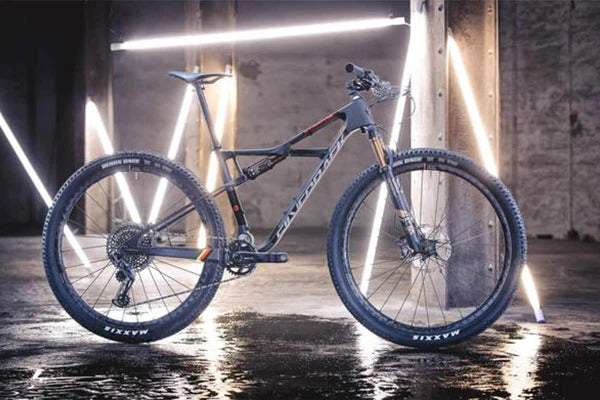
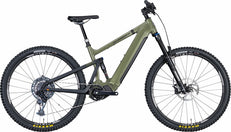
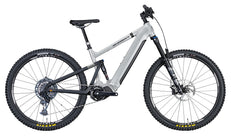
150/145mm Travel
 29" x 2.5" Wheels
 1x12 Speed SRAM AXS
 EP-801 Shimano Motor
 85Nm Torque
 720Wh Battery
 from 20.9kg
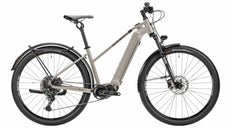
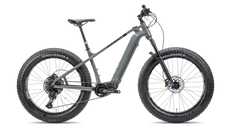
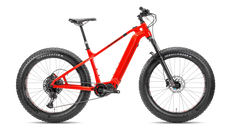

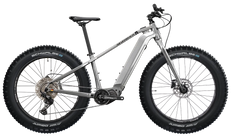

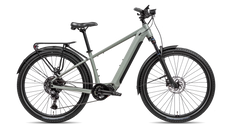
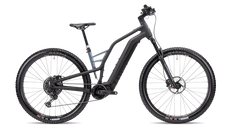
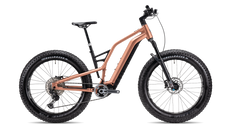
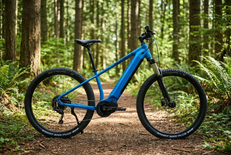
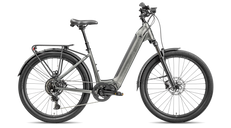
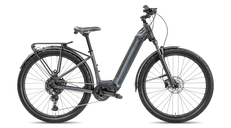
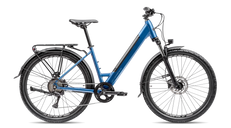
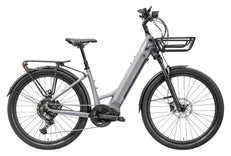
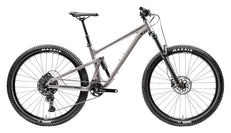
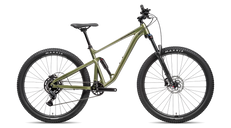
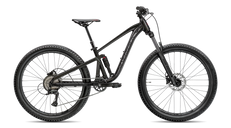
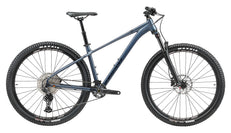
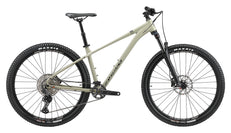
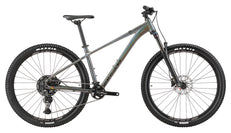
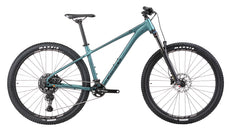
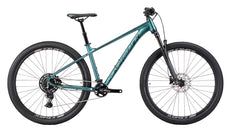
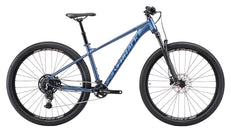
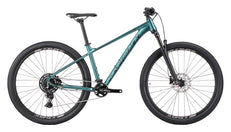
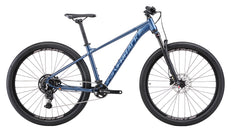
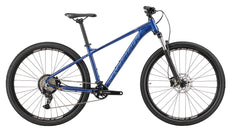
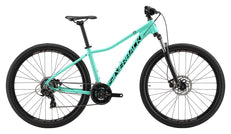
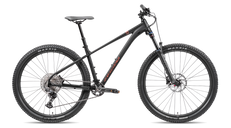
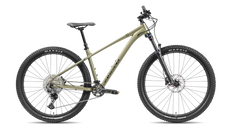
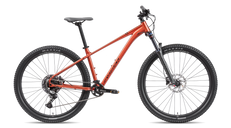
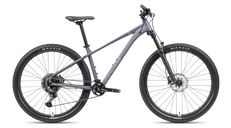
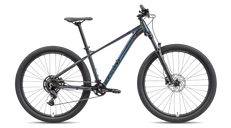
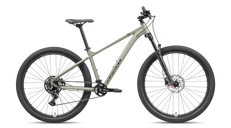
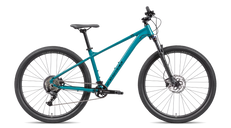
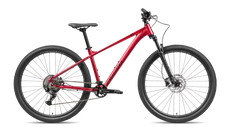
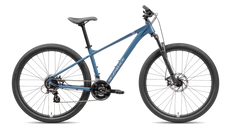
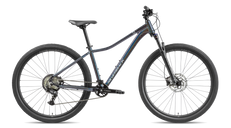
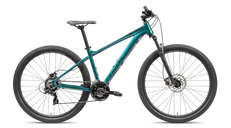
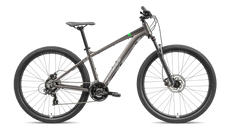
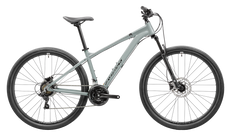
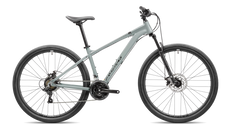
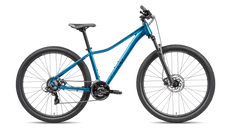
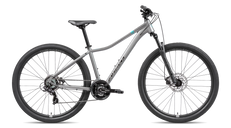
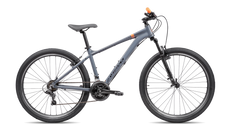
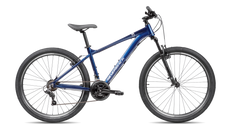
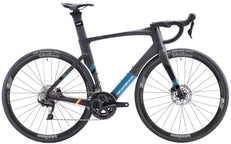
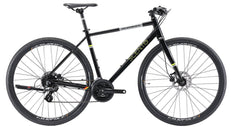
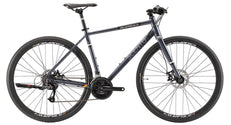
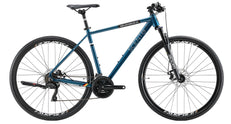
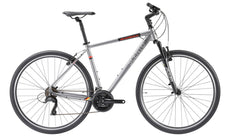
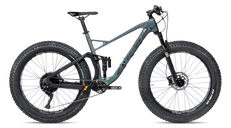
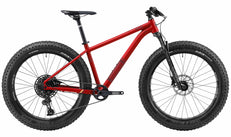
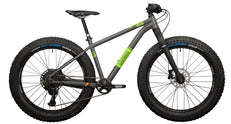
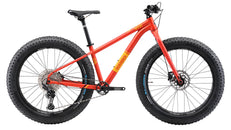
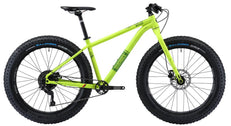
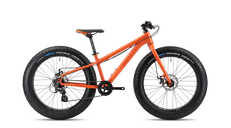
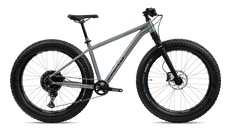
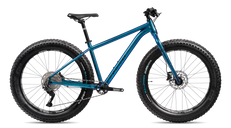
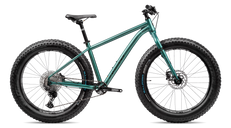
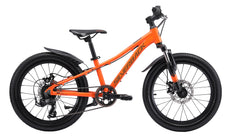
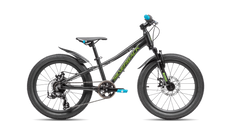
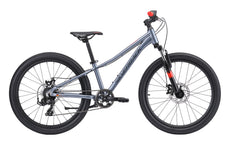
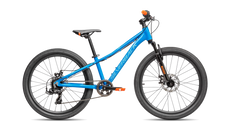
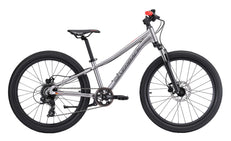
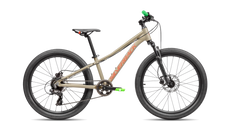
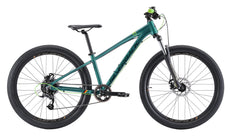
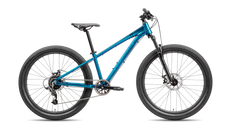
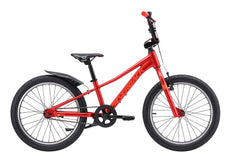
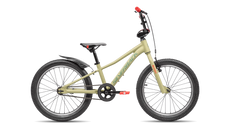
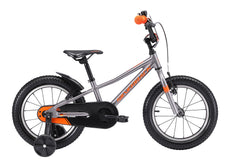



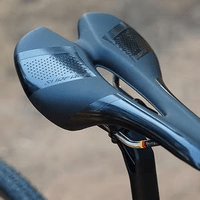
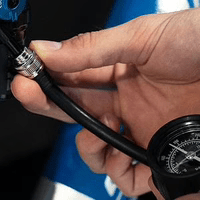
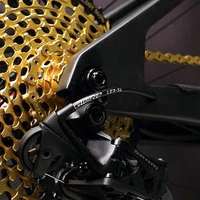
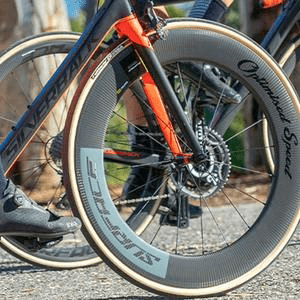


To prepare your bike for winter, focus on dependable control and simple routines rather than buying every winter accessory. Cold, water and road grit can expose existing wear and make small maintenance problems harder to ignore. Check the bike before your next ride, choose routes to suit conditions and arrange professional help when a safety-critical part needs work.
Explore Silverback cycling accessories and choose equipment for the conditions you actually ride in.
1. Inspect tyres and choose an appropriate pressure
Look for cuts, embedded debris and worn tread. Use the tyre and rim manufacturer’s pressure limits as your starting boundaries, then account for load and surface. Reducing pressure is not a universal cure for winter grip. Ice remains hazardous, and ordinary tyres may be unsuitable. Change your route or avoid riding when conditions exceed your equipment and ability.
2. Check brakes before the weather does
Inspect pads and rotors or rim-braking surfaces for wear using the manufacturer’s guidance. Test the levers and stop in a safe area before joining a route. Oil contamination, poor lever feel or unusual noise deserves investigation. Do not spray lubricant near braking surfaces. If you cannot confidently assess the system, have a qualified mechanic check it.
3. Clean and lubricate the chain properly
Remove dirt with a suitable bicycle cleaning method, dry the chain and apply a compatible lubricant according to its instructions. Wipe away excess rather than leaving a sticky layer that attracts grit. Wet-condition lubricant can be useful for some winter riding, but no product eliminates cleaning. Check drivetrain wear rather than waiting for skipping or poor shifting.
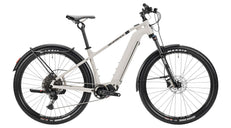
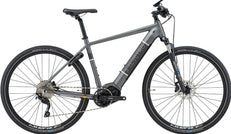
View the S-Electro-Metro commuter e-bike and its current specification if everyday transport is part of your winter riding plan.
4. Make lighting and visibility a pre-ride habit
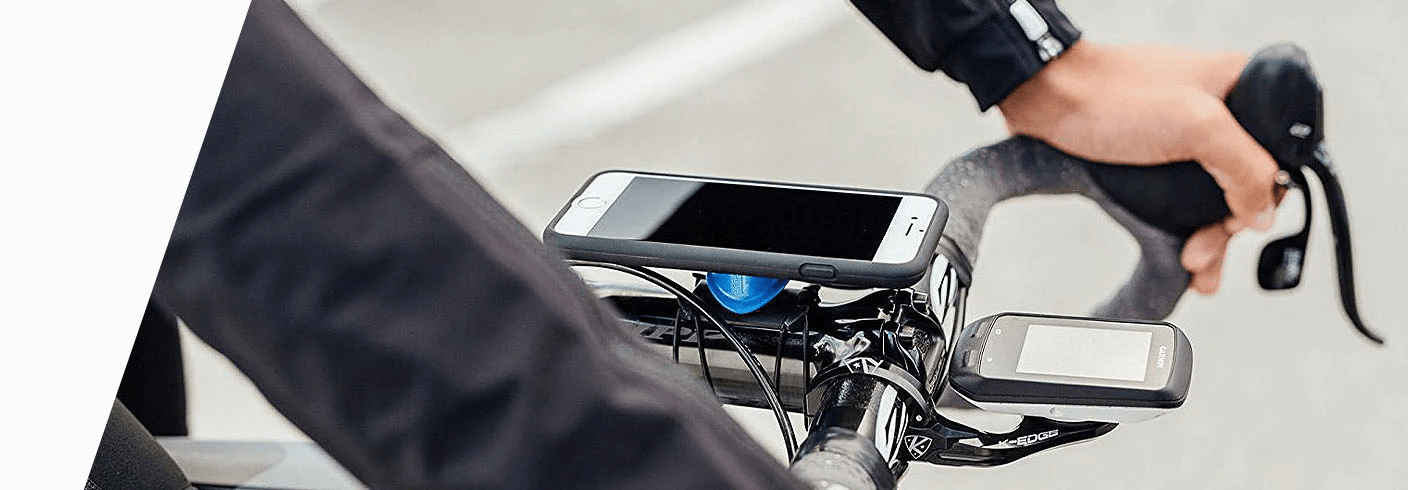
Check front and rear lights, mounting security and battery charge before leaving. Consider visibility from the sides and the conditions on your route. Do not assume a sport bicycle is supplied ready for every public-road requirement. Choose equipment appropriate to where you ride and verify the applicable requirements separately. Carry enough reserve for a delayed return journey.
5. Wash away salt without forcing water inside
Use gentle cleaning and avoid directing high-pressure water at bearings, suspension seals or electrical components. Rinse and dry in line with the bike and system instructions. A quick clean after a salty commute can be easier than dealing with accumulated corrosion. Keep cleaning products away from braking surfaces and check that the bike is dry before storage.
6. Protect comfort and control points
Inspect grips, pedals and bar-end protection, then check that gloves still allow reliable braking and shifting. Mudguards can reduce spray when the frame and tyre clearances permit them. Check compatibility before ordering accessories. For commuting, prioritise practical visibility and secure luggage over decorative additions. A comfortable setup helps you keep attention on changing surfaces.
7. Follow battery-specific cold-weather guidance
For an e-bike, consult the system manual for charging, riding and storage temperatures. Do not invent a universal charging rule for every battery. Use the approved charger and inspect the system for damage. Plan a range reserve because cold conditions can affect performance. Let the manufacturer’s instructions determine when a cold battery is ready for charging.
8. Store thoughtfully and book help when needed
Choose a secure storage place and avoid leaving a wet bike forgotten for weeks. Inspect it again before returning to riding. Ask a qualified local workshop to assess worn brakes, loose bearings or suspension problems. Confirm the provider, service scope and appointment directly before making plans. Routine cleaning is not a substitute for professional work when a component is worn or damaged.
Build a simple winter routine
| After a wet ride | Before the next ride | Needs expert attention |
|---|---|---|
| Gentle clean and dry | Tyres, lights and brake check | Uncertain braking performance |
| Chain care as required | Check fasteners and controls | Play in bearings or steering |
| Approved battery routine | Plan suitable route | Damaged electrical components |
Useful next steps for your winter setup
For a commuter reference, review S-Electro-Metro and check compatibility before adding equipment. Browse cycling accessories for practical essentials and bicycle tools for appropriate maintenance equipment.
Read E-Bike Motor Maintenance: How to Protect Your Investment for more context. This series also covers Carbon vs Aluminium: Which Mountain Bike Frame Should You Buy? and Black Friday vs Cyber Monday: When Is the Best Time to Buy Your Next Bike?. Use the advice relevant to your bicycle rather than assuming every maintenance method suits every model.
Keep your budget in mind when browsing the current Black Friday collection. A collection listing is not a promise of a particular discount or availability. Replace worn essentials before spending on optional upgrades.
Frequently asked questions
Can I pressure-wash my bike in winter?
Avoid forcing water into bearings, seals or electrical parts. Follow the cleaning instructions for the actual bicycle and motor system.
Should I always lower tyre pressure in cold weather?
No. Appropriate pressure depends on the equipment, load and surface. Stay within manufacturer limits and do not treat pressure changes as protection from ice.
How often should I lubricate the chain?
Base the routine on conditions and the lubricant instructions. Inspect after wet or dirty rides rather than relying on a fixed interval for everyone.
Prepare for dependable winter rides
Ready to improve your setup? Compare suitable cycling accessories now, check compatibility and focus on the practical equipment that helps you maintain and enjoy your bicycle.