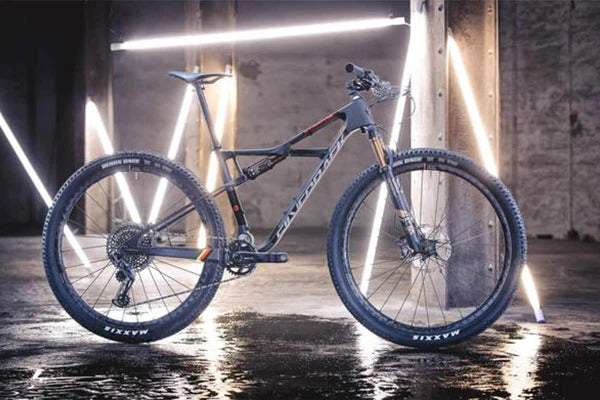
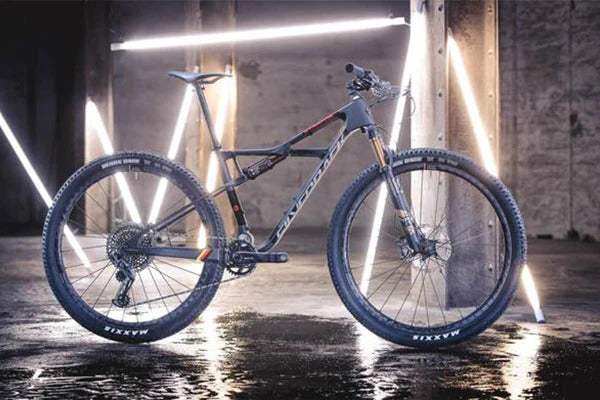
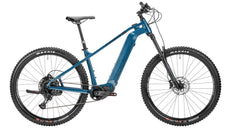
150/145mm Travel
 29" x 2.5" Wheels
 1x12 Speed SRAM AXS
 EP-801 Shimano Motor
 85Nm Torque
 720Wh Battery
 from 20.9kg
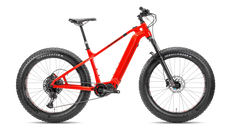

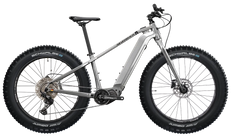

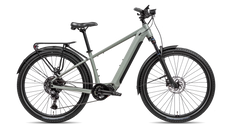
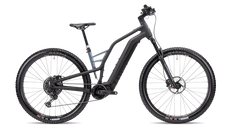
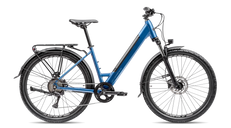
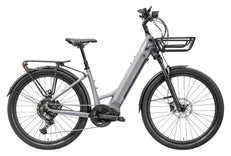
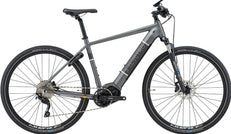
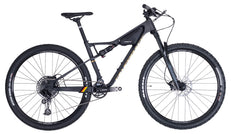
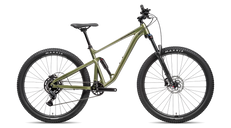
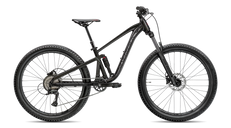
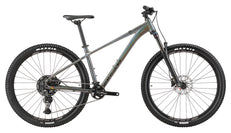
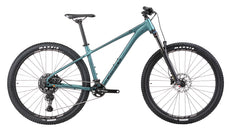
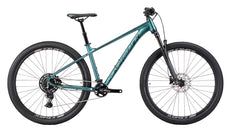
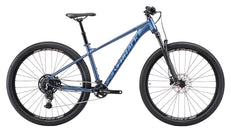
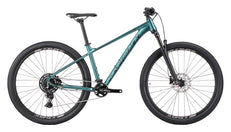
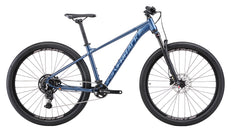
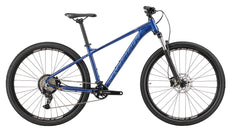
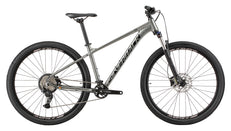
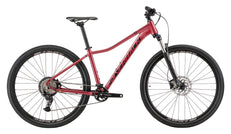
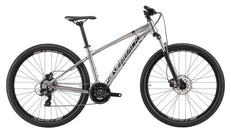
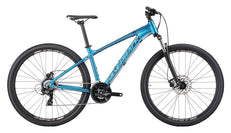
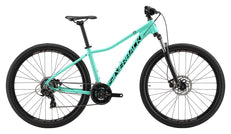
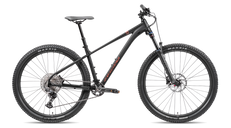
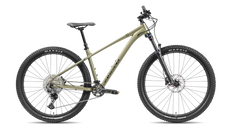
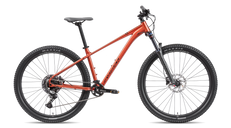
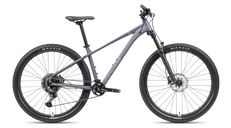
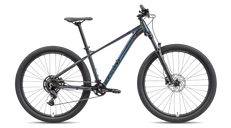
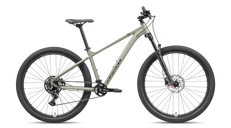
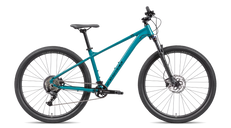
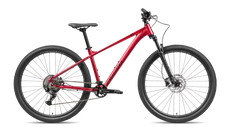
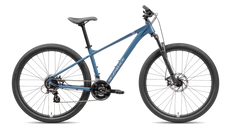
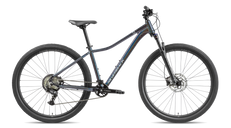
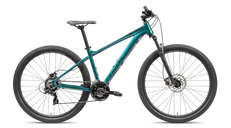
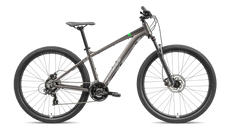
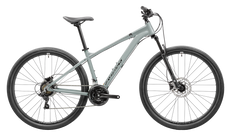
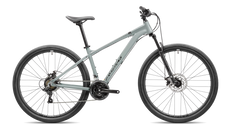
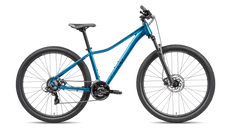
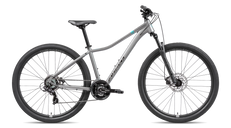
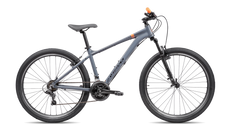
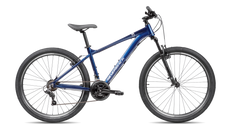
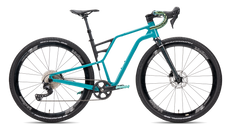
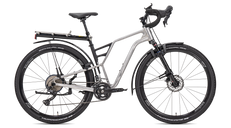
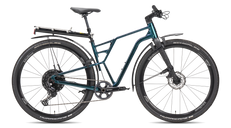
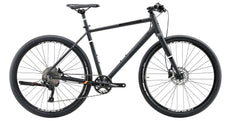
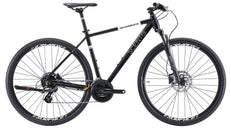
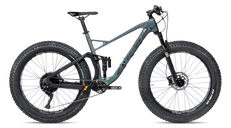
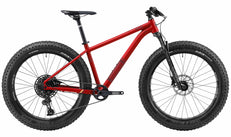
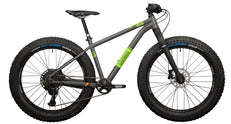
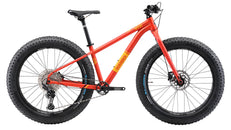
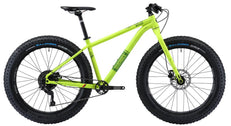
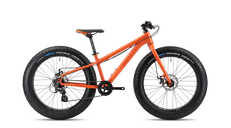
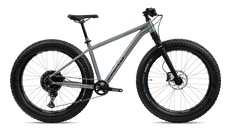
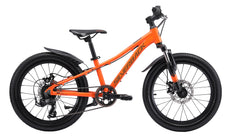
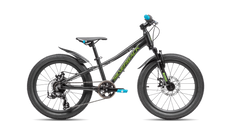
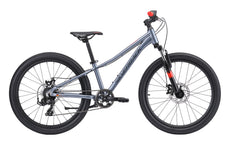
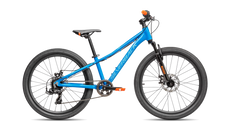
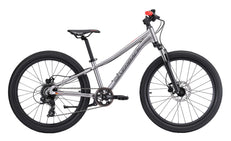
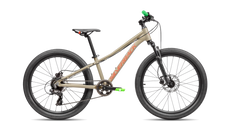
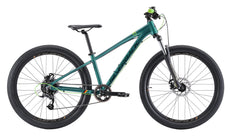
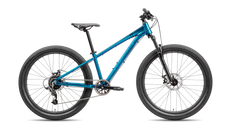
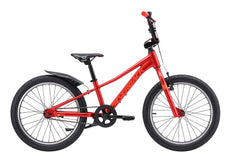
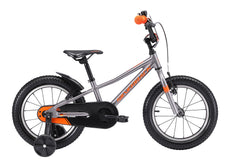
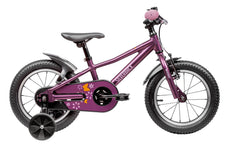
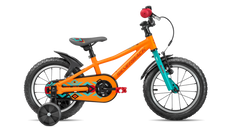
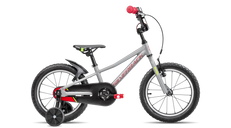
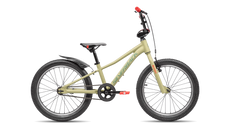




To choose a kids’ bike size by age and height, use age to narrow the search and measurements to make the decision. Your child’s height, inseam, reach and riding confidence matter more than the birthday printed beside a wheel size. The best choice is a bicycle they can start, steer and stop comfortably now.
Parents often want one simple chart. The difficulty is that children grow at different rates, and two bikes with identical wheel sizes can have different frame proportions. This guide shows how to turn age guidance into a practical shortlist. Browse Silverback kids’ bikes with your child’s current measurements beside you.
Why an age chart is a starting point, not a fit guarantee
Age categories group riders broadly. They cannot account for a shorter child with long legs, a taller child with a shorter torso, or a beginner who needs more reassuring ground contact than an experienced friend. Copying a classmate’s bike size can therefore lead to a poor fit.
Height improves the shortlist, but it still does not reveal every important dimension. Inseam helps you assess saddle position and standover clearance. Arm and torso proportions affect handlebar reach. Coordination and confidence influence how comfortably the child manages the complete bicycle.
For an explanation of wheel-size differences, see our 20-inch versus 24-inch comparison. Do not move up simply because the next birthday is approaching.
How Silverback’s age labels can guide your shortlist
The following examples reflect the age labels on these specific New Gen listings. They are not universal age rules, and a listed age does not establish that a particular child fits.
| Example model | Listed age guidance | What to confirm in person |
|---|---|---|
| Skid 14 (New Gen) | 2–3 years | Readiness for pedals, ground contact and brake control |
| Skid 16 (New Gen) | 4–6 years | Minimum saddle position and relaxed handlebar reach |
| Skid 20 / Spyke 20 (New Gen) | 5–8 years | Fit first, then everyday versus off-road requirements |
| Spyke 24D (New Gen) | 8–11 years | Frame clearance, steering and independent stopping |
| Spyke 26 7spd (New Gen) | 10–13 years | Youth-frame proportions and confident overall control |
Notice that some age bands overlap. That is a reason to measure and compare, not a reason to automatically choose larger wheels. A child outside a label’s age band may also need an individual fit assessment.
Measure height and inseam before shopping
Record height accurately
Have your child stand barefoot against a wall, looking straight ahead, with a book held level on top of their head. Mark the wall and measure from the floor. Repeat if their posture changes. Record the measurement and date rather than relying on an old school measurement.
Measure inside-leg length separately
With feet slightly apart, gently place a book between the legs to approximate saddle contact. Measure from the floor to its upper edge. Do not press hard or ask the child to stretch upward. Compare the result with the exact model’s current sizing information.
If minimum saddle height or standover dimensions are unclear, request them before ordering. Do not turn height into a precise wheel-size recommendation using an unrelated brand’s chart.
Use height to compare bikes, not just wheel numbers
A smaller pedal-bike shortlist could include the Skid 14 (New Gen) and Skid 16 (New Gen). Compare the child’s actual riding position on each rather than assuming the smaller wheel always means the lower saddle.
For a child who fits 20-inch options, compare the Skid 20 (New Gen) with the Spyke 20 (New Gen). The Skid lists a single-speed drivetrain and rigid fork; the Spyke lists seven speeds and a suspension fork. Those differences address riding needs, not a different birthday.
For a taller child, investigate the Spyke 24D (New Gen) and Spyke 26 7spd (New Gen). Choose the larger option only when reach, clearance and control already work.
What should a fitting test include?
Use a level, traffic-free space and usual riding shoes. Check that your child can get on and off, hold the bars without stretching, turn in both directions and operate the brakes. Then watch several short starts and controlled stops. A parent holding the saddle throughout can conceal a bike the child cannot yet manage independently.
Before testing, work through the kids’ bike safety checks. If the child looks tense or repeatedly loses control, reassess fit and readiness rather than insisting they will adapt.
Frequently asked questions
What bike size does a six-year-old need?
There is no reliable answer from age alone. Measure height and inseam, compare model-specific guidance, and check the child’s control on the bike.
What if my child is tall for their age?
Consider larger candidates, but check reach and skills independently. Height does not automatically mean readiness for more weight or complicated controls.
Should siblings use the same bike size?
Only if it fits each child. Shared age, family resemblance or similar height does not guarantee the same inseam and reach.
Should I buy the larger size between two options?
Only when it already fits. Adjustment room is useful, but growing into basic steering or braking control is not a sound buying plan.
Make the final choice around your child
Use age to browse, measurements to shortlist and a riding test to decide. Ready to compare your best-fitting options? Follow our complete parent’s buying guide to balance fit, weight, braking and the routes your family actually rides.