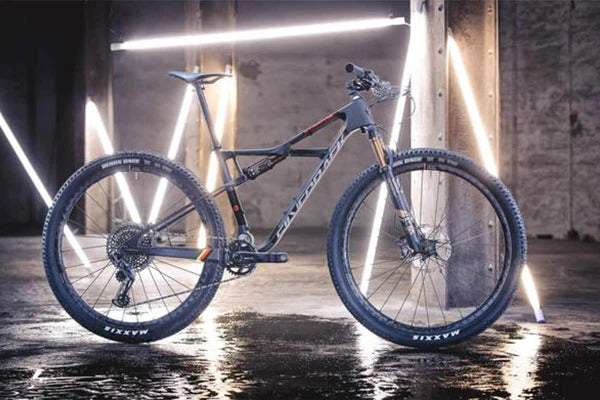
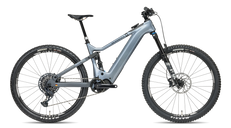
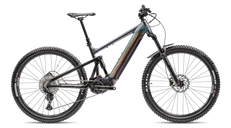
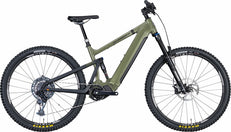
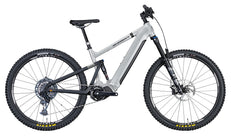
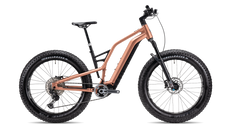
150/145mm Travel
 29" x 2.5" Wheels
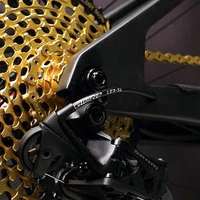
 1x12 Speed SRAM AXS
 EP-801 Shimano Motor
 85Nm Torque
 720Wh Battery
 from 20.9kg
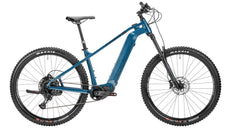
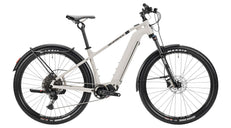
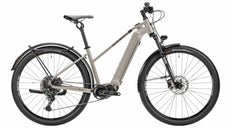
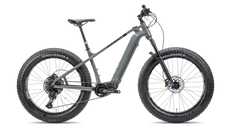
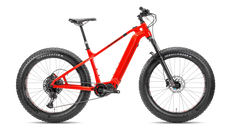

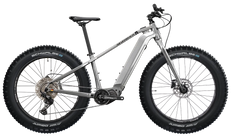

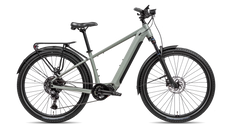
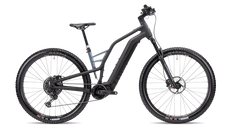
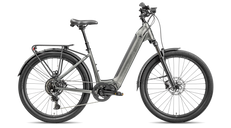
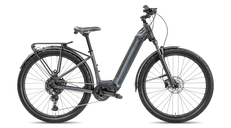
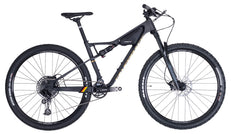
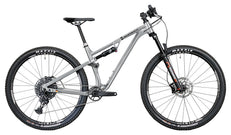
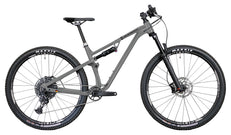
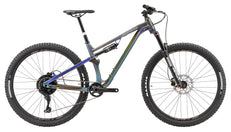
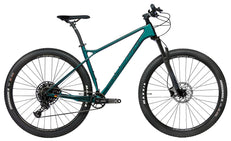
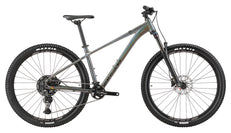
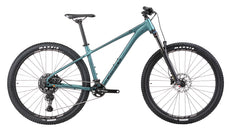
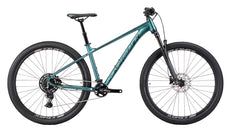
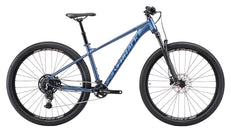
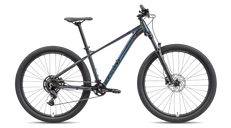
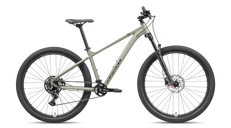
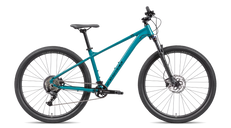
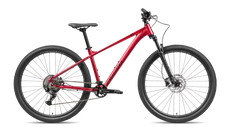
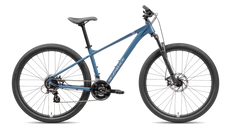
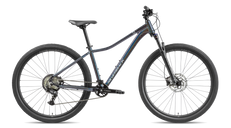
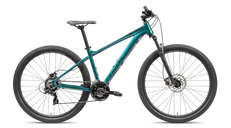
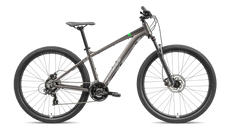
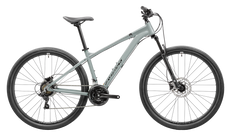
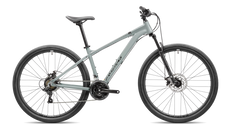
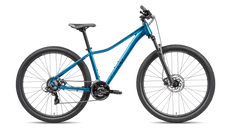
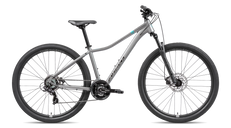
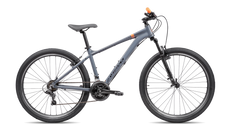
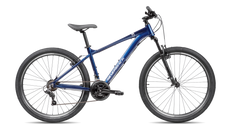
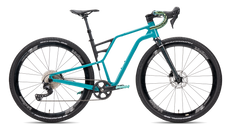
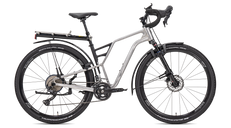
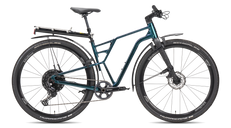
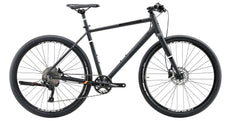
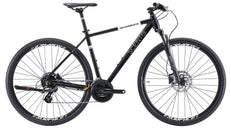
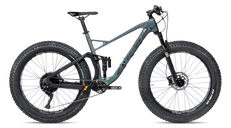
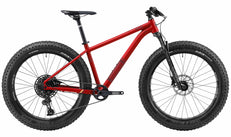
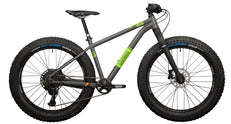
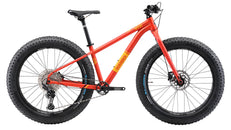
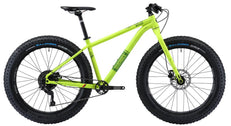
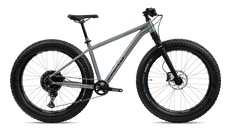
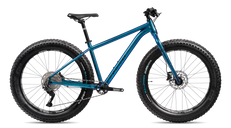
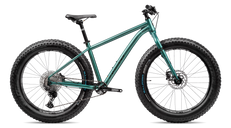
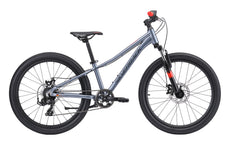
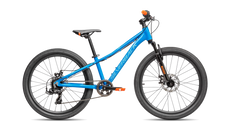
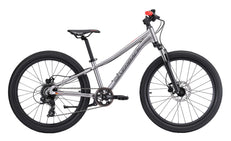
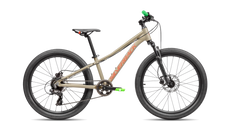
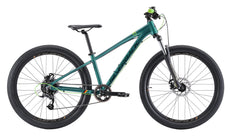
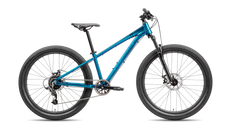




The right choice depends on terrain, budget, and how much maintenance a rider is willing to handle. A hardtail mountain bike is lighter, cheaper, and simpler to look after, while a full suspension mountain bike adds comfort and grip on rough ground.
This guide explains what each bike is, how the two compare on climbs, descents, and technical trails, and what each one costs to own. It also covers beginners, riding styles, and the questions riders ask most often before buying.
What Is a Hardtail Mountain Bike?
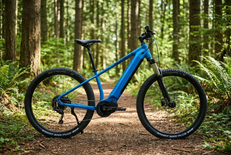
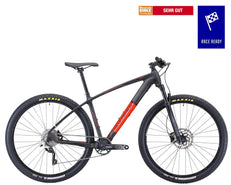
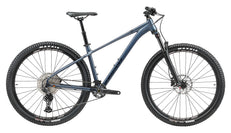
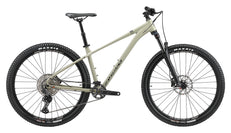
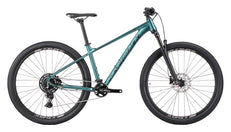
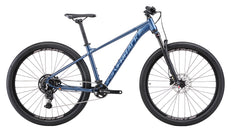
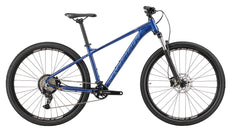
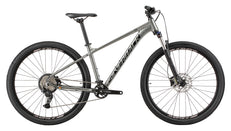
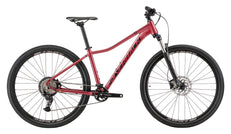
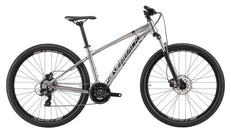
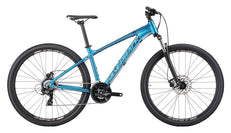
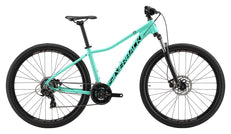
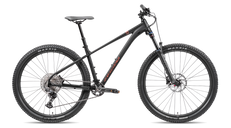
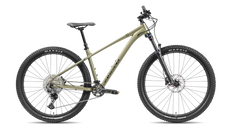
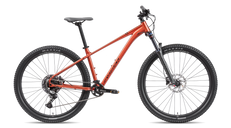
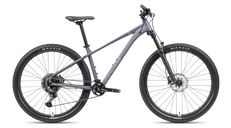
A hardtail mountain bike has a suspension fork at the front and a rigid, one-piece rear frame with no rear shock. The name comes from that fixed rear end, which also separates it from fully rigid bikes that have no suspension anywhere.
Because the frame has no moving parts, a hardtail MTB is usually lighter, cheaper, and easier to maintain than a similar full suspension model. That simple design gives pedaling a direct and efficient feel on gravel roads, smooth trails, and long climbs. Many riders start on one and keep one for years.
What Is a Full Suspension Mountain Bike?
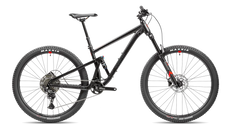
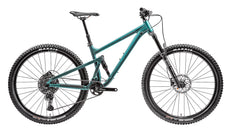
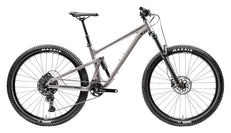
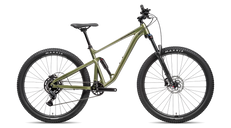
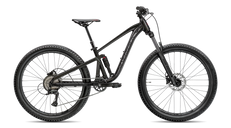
A full suspension mountain bike has a suspension fork at the front and a shock absorber at the rear, linked to a pivoting frame. This lets both wheels move over rocks and roots, which helps the tires stay in contact with the ground.
The system adds weight, cost, and extra parts to service, but it also brings far more comfort and control on demanding trails. The rear shock can be tuned to change the ride, and modern designs are much more efficient than the early ones. Some shoppers search for a full suspension bicycle, but full suspension MTB is the term most brands use.
Older softtail designs, which fitted a small damper into a hardtail-style frame, have mostly disappeared. Full suspension systems became good enough that the compromise no longer made sense for most riders.
Hardtail vs Full Suspension MTB: Key Differences
The most obvious difference is the rear shock, but terrain handling, weight, upkeep, and price all change with it. The table below shows how the two designs compare on the points that matter most to buyers.
|
Feature |
Hardtail |
Full Suspension |
|
Rear suspension |
None |
Rear shock with frame pivots |
|
Weight |
Usually lighter |
Usually heavier |
|
Pedaling feel |
Direct and responsive |
More isolated from trail impacts |
|
Rough terrain control |
Needs active riding and careful lines |
More traction and a larger margin for error |
|
Maintenance |
Low, with fewer service points |
Higher, with shock and bearing service |
|
Price |
Lower, with better parts at the same budget |
Higher for similar components |
|
Best for |
Smooth trails, XC, gravel, climbs |
Rocky, root-filled, and technical terrain |
Performance Comparison: Speed, Climbing, and Descending
Speed depends heavily on the trail. A hardtail tends to feel quicker on smooth ground, while a full suspension MTB holds its pace better once the surface turns rough and broken.
Climbing and Pedaling
On smooth or steady climbs, a hardtail feels efficient because the rigid rear frame does not move under pedaling force. Its lower weight also helps over long grades, which is why it remains a natural choice for cross-country riders.
A full suspension bike can climb better on technical sections where rocks and roots break up traction. The rear wheel follows the ground instead of bouncing off it, and many shocks have firm settings that cut unwanted movement on smoother stretches.
Descending and Control
A hardtail can descend quickly, but the rider has to pick cleaner lines and use the legs and arms to absorb impacts. On repeated bumps, the rear wheel may skip under braking or in corners.
Full suspension offers more stability and rear wheel grip on steep, rough descents. It also leaves a larger margin for error, so a rider can roll over roots and rocks without losing speed or composure.
Comfort and Control on Different Terrains
Comfort comes mainly from how well a bike handles repeated impacts. The more frequent the rocks and roots, the more a rear shock helps with fatigue in the hands, arms, and lower back.
-
Gravel and smooth singletrack: A hardtail is efficient and lively here, and the extra feedback from the trail can feel engaging.
-
Mixed trails: Either bike can work, and the deciding factor is how much of the route is truly rough.
-
Rocky and root-filled trails: Full suspension keeps both wheels planted and makes long technical rides less tiring.
-
Bike parks and steep descents: Full suspension is usually the safer and more capable choice, though riders should always check the park's rules and trail ratings.
-
Dirt jumping and trials: A hardtail is often preferred because its rigid rear end feels precise and predictable.
Jumping and cornering also differ in practice. Experienced riders often report that a hardtail can do everything a full suspension bike can do, but landings feel smoother and cornering grip feels higher on the full suspension model.
Maintenance and Cost Comparison
Price is where the hardtail has its strongest case. Because the frame is simpler to build, more of the budget goes into the fork, brakes, wheels, and drivetrain, so shoppers comparing the best hardtail mountain bikes often get better parts than a full suspension bike at the same price.
Upkeep follows the same pattern. A hardtail needs routine care for the fork, drivetrain, brakes, tires, and bearings, while a full suspension bike adds a rear shock and several pivots that need cleaning, inspection, and periodic replacement. The rear shock usually needs a yearly service, and pivot bearings wear out over time.
Setup matters too. A full suspension bike with poorly adjusted suspension can feel sluggish on climbs or harsh on descents, so it is worth spending a little time on sag and rebound settings. Riders should include these running costs when comparing the total price of owning each bike.
Which MTB Is Best for Beginners?
A hardtail is often the best starting point for new riders on smooth or moderately rough trails. It costs less, needs less maintenance, and encourages good habits such as choosing clean lines and using the body to absorb bumps.
Full suspension can be the better choice when local trails are consistently rocky or steep. The extra traction and comfort give new riders confidence, which makes it easier to focus on learning technique instead of worrying about every bump.
Budget and access to trails should drive the decision more than the idea of what looks more advanced. A beginner who rides a few times a month on mellow trails rarely needs a rear shock, while one who rides rough terrain every weekend may use it constantly. Test riding both types at a local shop is the quickest way to find out which one feels right.
Which Mountain Bike Is Right for Your Riding Style?
A hardtail mountain bike is best if you ride smooth singletrack, cross-country loops, or steep climbs and want a lighter, more affordable, and low-maintenance bike, while a full-suspension mountain bike is best if you tackle rocky, root-filled, or steep technical descents and want maximum traction, comfort, and control.
Riding style narrows the choice even further:
-
Cross-country racing: Hardtails still suit riders who want pure power transfer and low weight, although full suspension bikes now dominate top-level racing because modern designs are so light and efficient.
-
Trail riding: Full suspension is the more common pick, though a capable trail hardtail is a fun and affordable alternative for lively, simple riding.
-
Enduro and downhill: Full suspension is close to essential, since long travel and rear wheel control decide how fast and how safely a rider can go.
-
Dirt jumping and trials: A hardtail is the standard choice thanks to its precision and durability.
Wheel size is a separate decision from suspension type. Many brands use 29-inch wheels on trail and cross-country bikes for all-day riding and fit 27.5-inch wheels on smaller frame sizes for better fit and handling. Riders who can afford two bikes often find that owning both a hardtail and a full suspension bike makes sense, since the two feel so different.
Common FAQs
Can a Hardtail Be Turned Into a Full Suspension Bike?
Not in any practical or safe way. A full suspension frame is built around pivots, linkages, and mounting points for a rear shock, and a hardtail frame has none of that structure. Riders who want rear suspension should buy a bike designed for it.
Can a Hardtail Mountain Bike Go to a Bike Park?
Yes, if the bike suits the trails. Hardtails work well on flow trails, pump tracks, and smoother jump lines, but steep downhill tracks and large drops demand stronger frames, longer travel, and better brakes. Checking the park's trail ratings and equipment rules before riding is a good habit.
What Are the Disadvantages of a Hardtail MTB?
A hardtail feels rougher over repeated impacts and offers less rear wheel traction on technical climbs, corners, and descents. The rider's legs and arms absorb more movement, which can add up to more fatigue on long, rough rides.
The gap shrinks on gravel and smooth singletrack, where the simplicity and low weight of a hardtail are real advantages.
Is a Full Suspension MTB Worth the Extra Money?
It is worth it for riders who regularly meet rocks, roots, and steep descents, because the extra comfort and control improve most rides. For riders who stick to smooth trails, the same money often buys better components on a hardtail.
Do Pro Riders Use Hardtails or Full Suspension?
Most professional racers now choose full suspension, including in cross-country, since suspension has become light and efficient enough to offset the weight penalty. Hardtails still lead in disciplines such as dirt jumping and trials, where precision matters more than comfort.
Conclusion
There is no universal winner in the hardtail vs full suspension debate. A hardtail delivers value, efficiency, and easy maintenance, while a full suspension MTB delivers comfort and control when the trail gets rough.
The best choice matches the terrain a rider actually uses most often, along with budget and how much upkeep feels reasonable. Test ride both types, compare them on familiar trails, and pick the bike that makes the next ride something to look forward to.