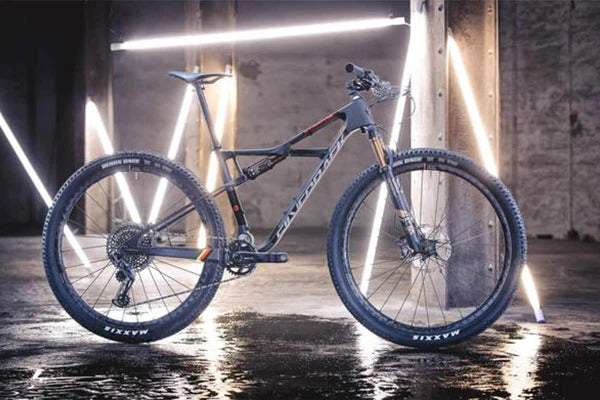
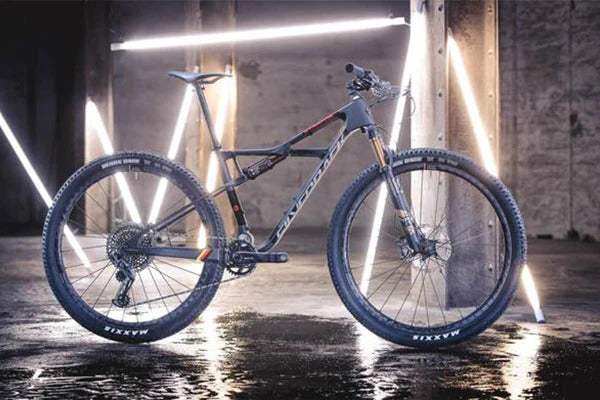
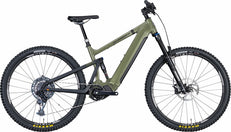
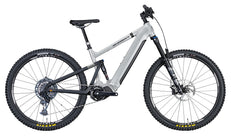
150/145mm Travel
 29" x 2.5" Wheels
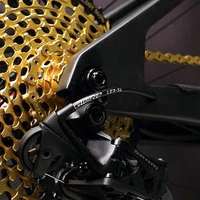
 1x12 Speed SRAM AXS
 EP-801 Shimano Motor
 85Nm Torque
 720Wh Battery
 from 20.9kg
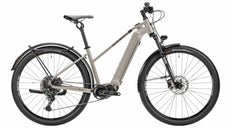
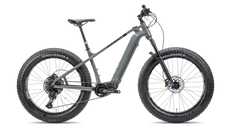
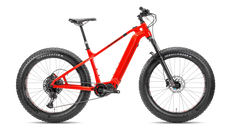

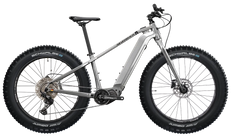

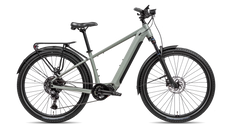
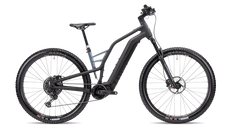
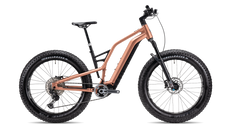
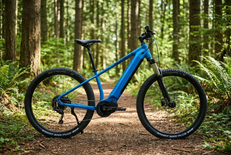
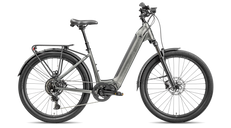
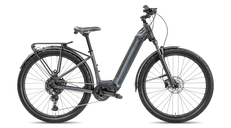
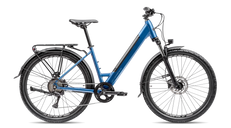
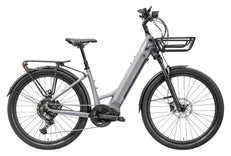
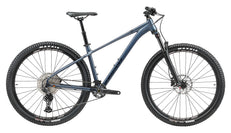
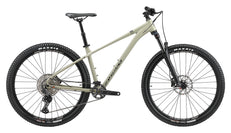
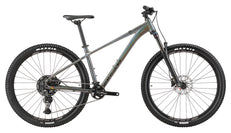
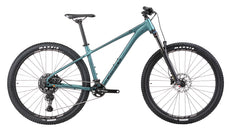
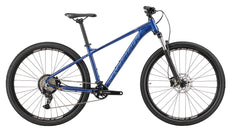
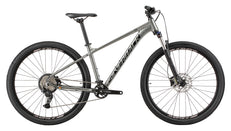
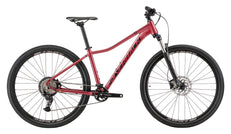
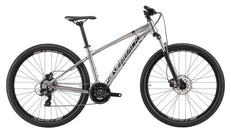
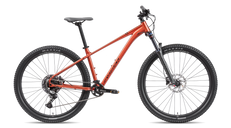
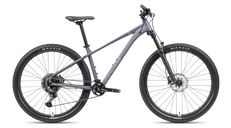
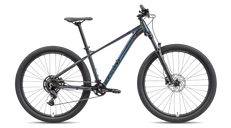
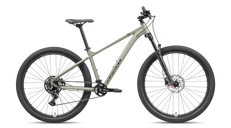
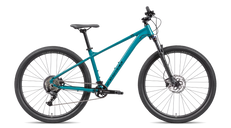
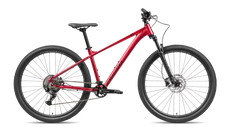
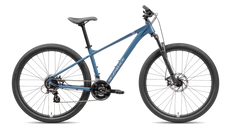
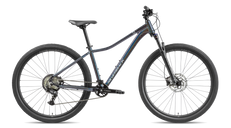
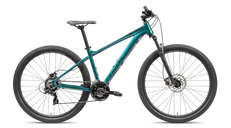
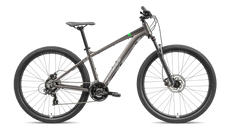
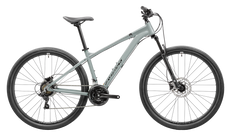
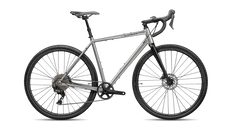
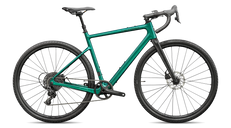
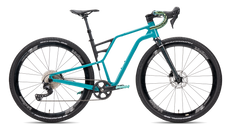
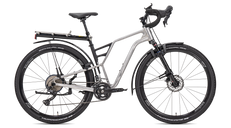






Choose an e-gravel bike if adjustable motor assistance would help you enjoy hills, mixed-pace rides or demanding everyday routes. Choose a traditional gravel bike if you prefer riding without a battery, have limited charging access or value a simpler ownership routine. Neither is universally better: the right choice depends on what prevents you from riding the way you want.
Start by comparing your normal route, not an exceptional adventure. Explore the e-gravel category if assistance addresses a real need, then compare fit and equipment as carefully as you would with any other bicycle.
What changes when gravel riding becomes assisted?
Assistance supports your effort
An e-gravel system adds motor support according to its design and selected mode. Assistance can make difficult sections more manageable, but it does not remove the need for sensible gearing, traction or route judgement. A steep loose climb can remain challenging when the rear tyre loses grip.
Do not compare bikes by a motor headline alone. Ask how the assistance feels, how controls work with gloves, and whether the system has local service support. Check the exact model documentation rather than assuming every electric bike behaves the same way.
A traditional bike avoids charging logistics
A traditional gravel bike relies on your pedalling without motor support. You can plan a ride without battery charge as an additional constraint. That can appeal to riders who enjoy managing their own pace, travel between remote locations or simply want fewer systems to organise.
Compare the ownership trade-offs
| Decision | E-gravel bike | Traditional gravel bike |
|---|---|---|
| Hills and headwinds | Assistance can support your effort | Gearing and rider effort determine the workload |
| Ride planning | Include charging and battery reserve | No motor-battery planning required |
| Storage and transport | Check complete-bike weight and battery instructions | Still check lifting weight and carrier limits |
| Maintenance | Bicycle servicing plus drive-system support | Bicycle servicing without an electric drive system |
| Long-distance travel | Confirm charging and transport arrangements | Fewer battery-related logistics |
Match the bike to your actual routes
Assistance may be useful when a commute ends with a demanding climb or when riders want to share a route at different effort levels. A traditional bike can make sense when you already enjoy your local gradients and prefer avoiding charging stops. Compare complete-bike fit, usable gearing and luggage needs before choosing either category.
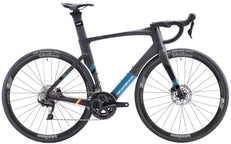
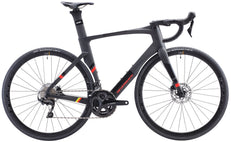
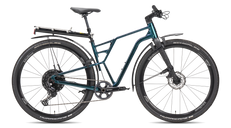
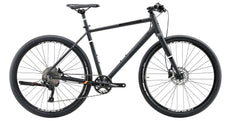
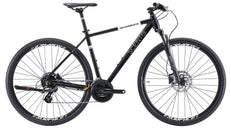
For non-assisted options, the SilverRider Gravel Pro description emphasises wide tyres, tubeless wheels and a lower cockpit. The SilverRider Gravel Sport highlights drop-bar hand positions and a suspension fork. For an upright flat-bar option with a rear rack, consider the SilverRider Gravel Path. These differences matter independently of motor assistance.
Use our SilverRider model comparison to assess riding positions before focusing on individual components.
Plan charging without relying on a fixed range promise
Battery consumption depends on terrain, assistance level, weather, total load, tyre setup and other conditions. A quoted maximum distance is not a promise for your route. Follow the system manufacturer’s charging and storage guidance, use the approved charger and plan a reserve rather than aiming to finish with no capacity left.
Before buying, ask where the bike will be stored and charged, whether the battery can be removed on that specific model, and how you would complete the route with assistance unavailable. Do not assume removability from a photograph. For trips involving public transport or travel providers, confirm their battery and bicycle rules before booking.
Keep fit, tyres and braking in the decision
Motor support does not correct an uncomfortable reach, unsuitable tyre tread or worn brakes. Compare tyre clearance with the terrain and mud you expect. Choose compatible replacement brake pads and maintain the braking system according to its manufacturer’s instructions.
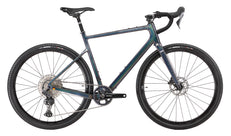
The carbon-frame SE:SERIES GR CF 11 provides another traditional-gravel option to compare. Its product description lists rack mounts and clearance up to 700×50c; confirm the exact wheel-and-tyre combination and current build before ordering.
Budget beyond the purchase price
Compare the complete ownership plan: routine servicing, consumables, suitable storage and any specialist electric-system service. Check service arrangements and replacement support for the exact system. Avoid choosing solely on the lowest initial price if it leaves you without support when something needs attention.
Choose practical gravel accessories around your routes, including repair supplies and appropriate carrying equipment. Do not assume a rack or bag is compatible simply because it is marketed for gravel.
Frequently asked questions
Can an e-gravel bike still provide exercise?
You still contribute effort, and assistance settings can change the workload. Choose a pace and route that match your objectives rather than assuming assistance determines how hard every ride will feel.
Can I pedal when assistance is unavailable?
Check the exact system documentation and test the unassisted feel where possible. Consider weight and gearing when planning how you would return without motor support.
Is an electric bike automatically better for beginners?
No. Fit, manageable handling and confidence matter first. Our beginner gravel guide explains other buying priorities.
Is the bicycle shown in the banner currently available?
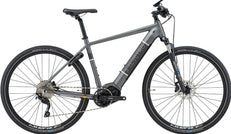
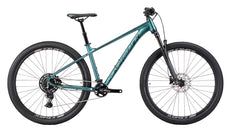
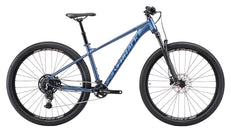
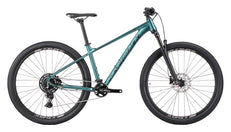
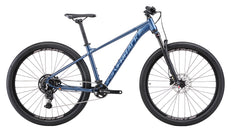
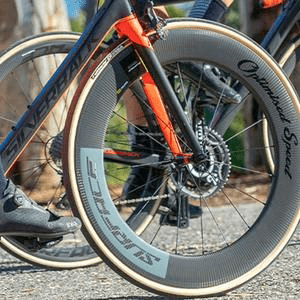
The banner uses a real Silverback S-Electro GR model photograph as an illustration of electric gravel design, not as a current stock or specification claim. Check current listings before choosing a model.
Choose assistance for a reason
Write down your typical gradients, charging access, storage situation and service options. If motor support solves a real barrier, shortlist assisted bikes. If it adds logistics you do not need, keep the comparison simple. Compare Silverback gravel bikes for your riding style and check the exact build and fit before ordering.