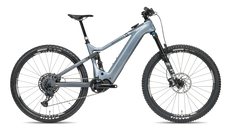
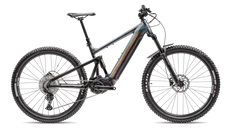
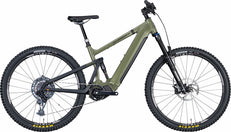
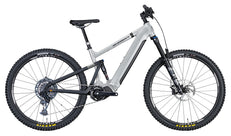
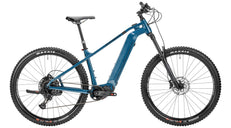
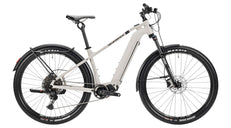
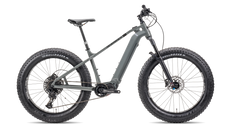
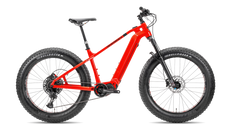
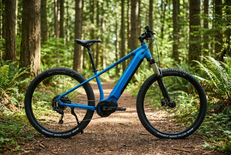
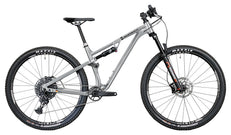
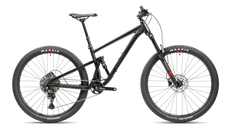
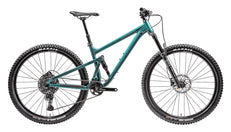
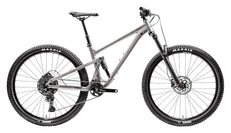
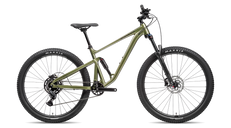
150/145mm Travel
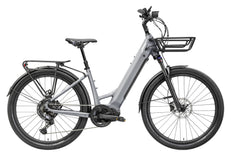
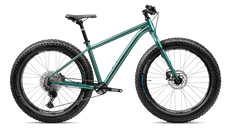
 29" x 2.5" Wheels
 1x12 Speed SRAM AXS
 EP-801 Shimano Motor
 85Nm Torque
 720Wh Battery
 from 20.9kg


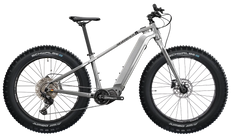

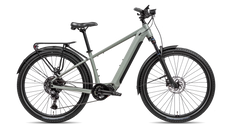
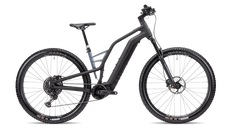
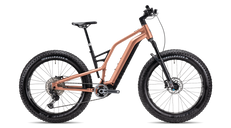
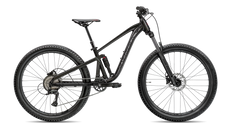
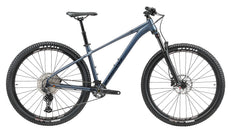
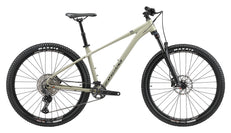
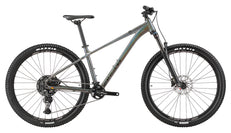
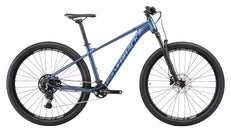

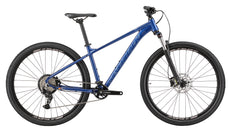
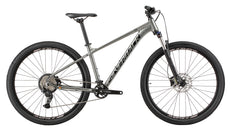
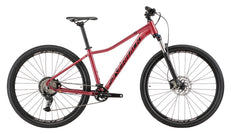
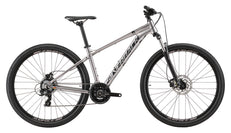
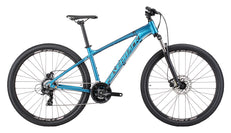
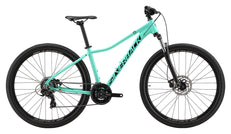
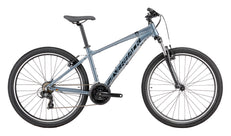
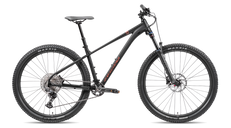
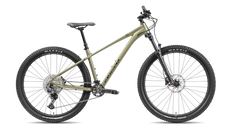
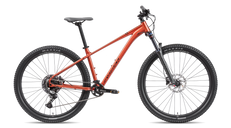
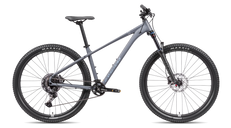
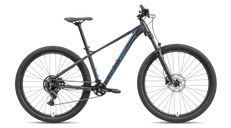
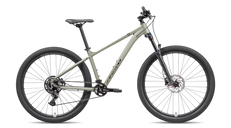
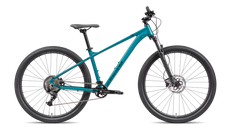
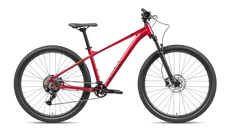
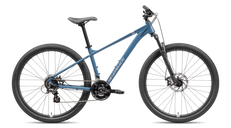
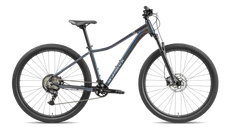
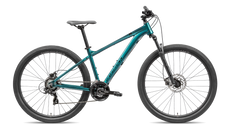
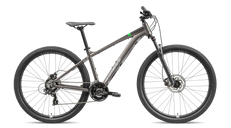
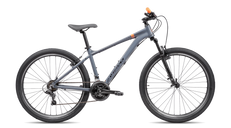
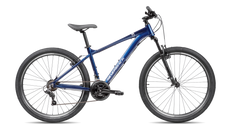

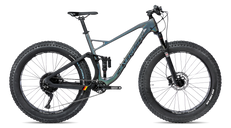
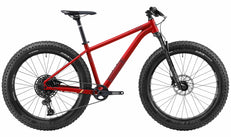
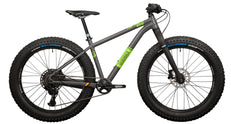
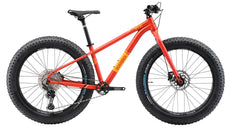
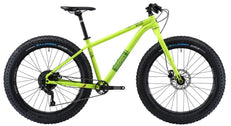
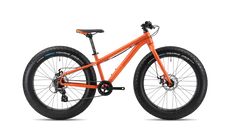
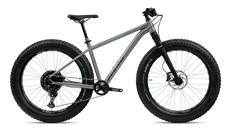
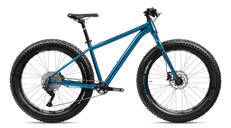
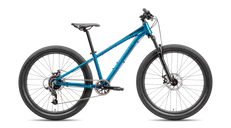










The Wheel Size Debate: Why It Matters
When choosing a mountain bike, wheel size is one of the most consequential decisions you'll make — more so than groupset or even frame material in many cases. The diameter of your wheels shapes how your bike rolls over obstacles, corners through switchbacks, and accelerates out of technical sections. The two dominant standards today are 27.5-inch (650b) and 29-inch (29er) wheels, and both have genuine strengths depending on your terrain, body size, and riding style.
At Silverback Bikes, we build MTBs around both standards — so this guide is about helping you find the right fit, not pushing one over the other.
The Core Differences at a Glance
| Factor | 27.5" | 29" |
|---|---|---|
| Rollover ability | Good | Excellent |
| Agility & cornering | Excellent | Good |
| Acceleration | Faster | Slightly slower |
| Top-end speed | Good | Higher |
| Traction contact patch | Standard | Larger |
| Ideal rider height | 155–185 cm | 170 cm+ |
| Best terrain | Technical, tight trails | XC, enduro, open trails |
27.5-Inch Wheels: Built for Agility
The 27.5-inch wheel (also called 650b) sits between the old 26" standard and the modern 29er. It offers a nimble, responsive ride that many riders — especially those under 180 cm — find more intuitive on tight, technical singletrack.
Key advantages of 27.5":
- Quicker handling: Smaller diameter means faster steering response and easier direction changes in switchbacks.
- Faster acceleration: Less rotational mass gets you up to speed more quickly out of corners and on punchy climbs.
- Better fit for shorter riders: The reduced wheel size lowers standover height and improves overall bike geometry for riders under ~180 cm.
- More playful feel: Easier to manual, jump, and get the front wheel up — great for trail and enduro riding.
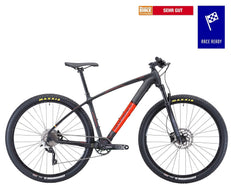
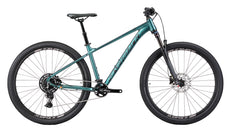
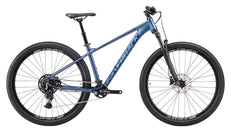
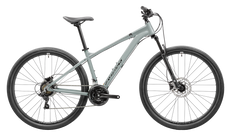
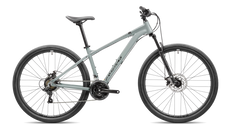
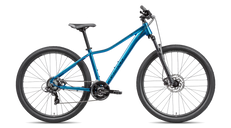
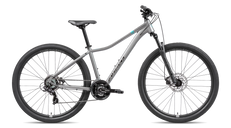
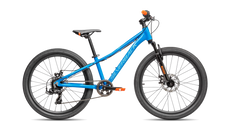
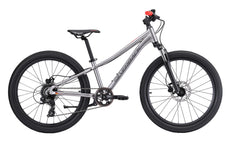
Our Stride 275 SX is a prime example of what 27.5" wheels do best — a trail-focused hardtail that rewards technical riders with snappy, confidence-inspiring handling on rooted and rocky terrain.
29-Inch Wheels: Built for Speed and Momentum
The 29er has become the dominant wheel size in cross-country and enduro racing for good reason. The larger diameter rolls over obstacles more easily, maintains momentum better, and provides a larger traction contact patch — all of which translate to faster times on open, flowing trails.
Key advantages of 29":
- Superior rollover: A larger wheel hits obstacles at a shallower angle, rolling over roots and rocks with less energy loss.
- Higher top-end speed: More wheel circumference per rotation means you cover more ground with each pedal stroke at speed.
- Better traction: The larger contact patch grips more surface area, especially on loose or wet terrain.
- Stability at speed: 29ers feel planted and confident on fast descents and open flow trails.
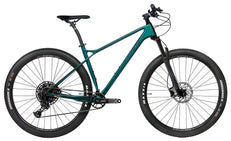
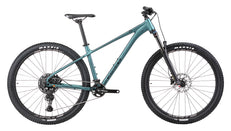
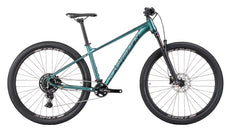
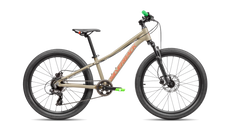
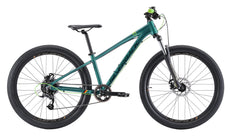
The Stride 29 HD is our hardtail built around the 29" platform — designed for riders who want to push pace on XC and marathon routes without sacrificing trail capability.
Which Wheel Size Should You Choose?
Choose 27.5" if you:
- Ride tight, technical singletrack with lots of corners and obstacles
- Are under 175–180 cm tall
- Prioritize playfulness and agility over outright speed
- Enjoy trail, enduro, or bike park riding
Choose 29" if you:
- Ride XC, marathon, or open flow trails
- Are 175 cm or taller
- Want maximum efficiency and speed on longer rides
- Ride in variable conditions where traction and rollover matter most
Explore Our Full MTB Range
Still unsure? Browse our complete Mountain Bike collection to compare models side by side, or check out our Gravel Bikes if you're looking for a do-it-all adventure bike that blurs the line between road and trail.
Need help choosing?
Our team rides what we sell. If you're between sizes or wheel standards, get in touch and we'll help you find the right bike for your trails and body geometry.