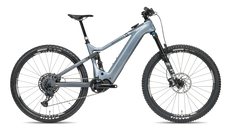
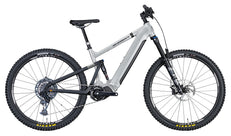
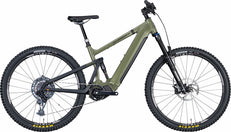
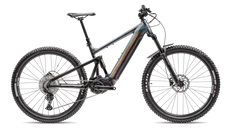
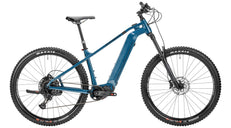
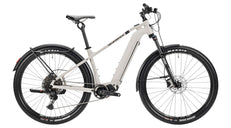
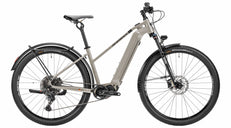
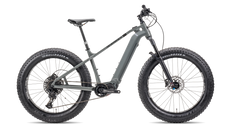
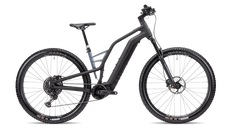
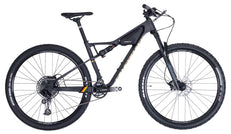
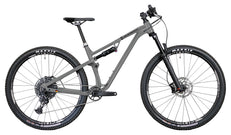
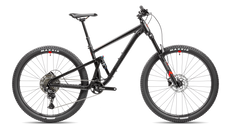
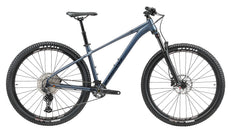
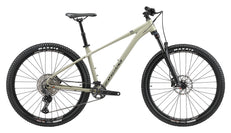
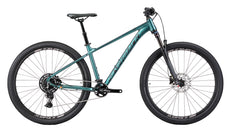
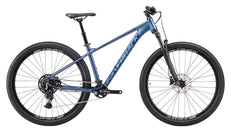
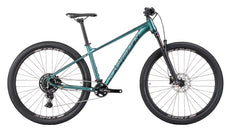
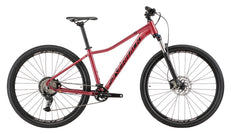
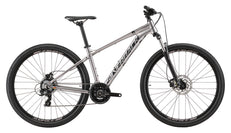
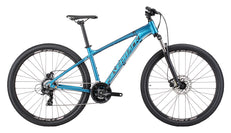
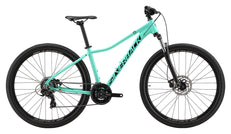
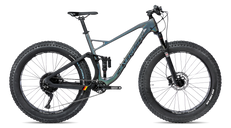
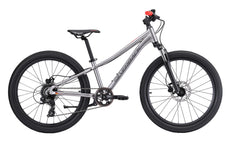
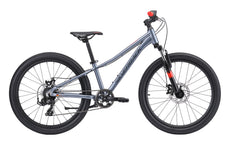
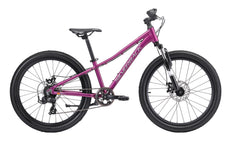
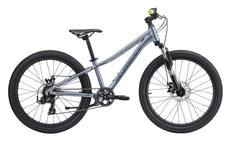
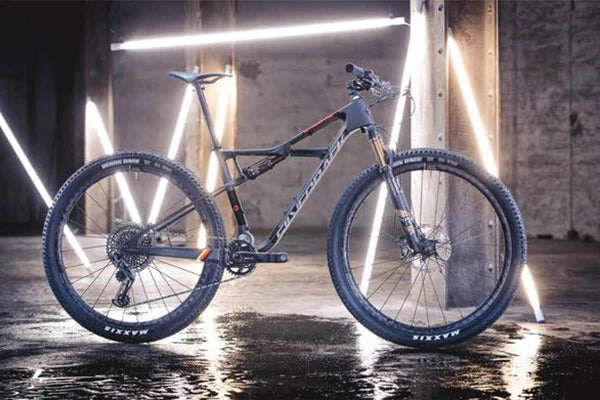
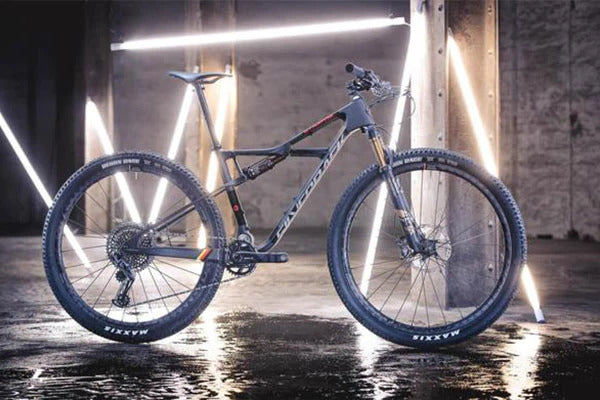
Silverback AL Pro

Dual Suspension | Trail | Alloy

Silverback AL Pro
Explore icon-arrow
  • ★★★★★
    ★★★★★
  • 130/105mm Travel
  • 29" x 2.35" Wheels
  • 1x12 Speed SRAM
  • 14.1kg
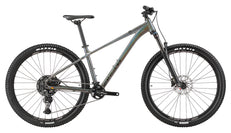
  • €2.399,00

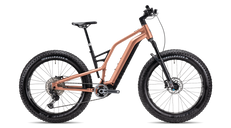
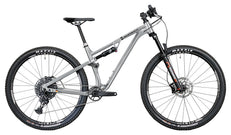
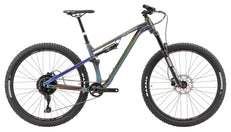
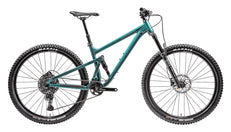
SE:SERIES TRAIL 11

Dual Suspension | Trail | Alloy

SE:SERIES TRAIL 11
Explore icon-arrow
  • ★★★★★
    ★★★★★
  • 140/140mm Travel
  • 29" x 2.5" Wheels
  • 1x11 Speed Shimano
  • 16.6 kg
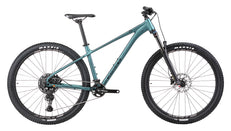
  • €1.605,00

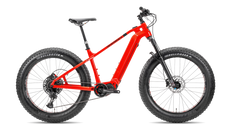
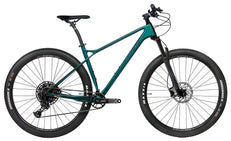
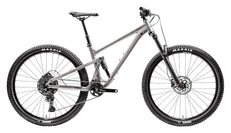
SE:SERIES TRAIL 10

Dual Suspension | Trail | Alloy

SE:SERIES TRAIL 10
Explore icon-arrow
  • ★★★★★
    ★★★★★
  • 140/140mm Travel
  • 29" x 2.4" Wheels
  • 1x10 Speed Shimano
  • 16.5 kg
  • €1.349,00

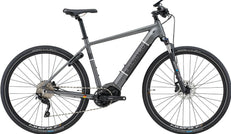
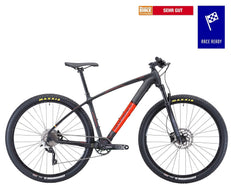
SE:Series 9 D

Hardtail | Sport XC | Alloy

SE:Series 9 D
Explore icon-arrow
  • ★★★★★
    ★★★★★
  • 100mm Travel
  • 27.5/29" Size-Specific
  • 1x9 Speed Shimano
  • 16.3kg
  • €640,00

SE:Series 9

Hardtail | Sport XC | Alloy

SE:Series 9
Explore icon-arrow
  • ★★★★★
    ★★★★★
  • 100mm Travel
  • 27.5/29" Size-Specific
  • 1x9 Speed Shimano
  • 16.3kg
  • €566,00

SE:Series 8 L

Hardtail | Sport XC | Alloy

SE:Series 8 L
Explore icon-arrow
  • ★★★★★
    ★★★★★
  • 100mm Travel
  • 29"/27.5"
  • 1x8 Speed Shimano
  • 15.5kg
  • €486,00

SE:Series 8 Air

Hardtail | Sport XC | Alloy

SE:Series 8 Air
Explore icon-arrow
  • ★★★★★
    ★★★★★
  • 100mm Travel
  • 29"/27.5"
  • 1x8 Speed Shimano
  • 15.5kg
  • €499,00

SE:Series 8

Hardtail | Sport XC | Alloy

DS-1
Explore icon-arrow
  • ★★★★★
    ★★★★★
  • 100mm Travel
  • 29"/27.5"
  • 1x8 Speed Shimano
  • 15.5kg
  • €486,00

SE:Series 7 L

Hardtail | Sport XC | Alloy

SE:Series 7 L
Explore icon-arrow
  • ★★★★★
    ★★★★★
  • 100mm Travel
  • 27.5/29" Size-Specific
  • 3x7 Speed Shimano
  • 16kg
  • €358,00

SE:Series 7

Hardtail | Sport XC | Alloy

DS-1
Explore icon-arrow
  • ★★★★★
    ★★★★★
  • 100mm Travel
  • 26/27.5/29" Size-specific
  • 3x7 Speed Shimano
  • 16.5 kg
  • €358,00

FAQ's

A mountain bikes (MTB) are bicycles built for off‑road riding trails, forest paths, rough terrain with wider tyres, stronger wheels, grippier geometry, and usually suspension to improve control and comfort.

At Silverback, we mainly offer two MTB types: hardtails (front suspension only) and full‑suspension bikes (front and rear suspension). From there, we tune each bike for a specific riding style cross‑country (XC) for fast, efficient climbing and long rides, trail for the best all‑round mix of control and fun, and more aggressive long‑travel setups for rougher terrain where descending confidence and traction matter most. In simple terms: whatever your trails look like, we have an MTB built with the right suspension travel and geometry to match.

Hardtails are lighter, simpler, and great for beginners and smoother trails. Full‑suspension bikes add rear suspension for more traction, comfort, and control on rougher terrain at higher cost and with a bit more maintenance.

Yes, absolutely. For a beginner, a properly sized hardtail with reliable brakes and the right tyres is one of the best ways to start mountain biking, because it’s confidence-inspiring, easy to control, and helps you learn the fundamentals (balance, braking, cornering, and line choice) safely. That’s exactly how we approach our entry and mid-level MTBs: stable handling, sensible component choices, and a build that lets you focus on enjoying the trail and improving your skills.

29" wheels roll well over obstacles and maintain speed; smaller wheels can feel more playful. The “best” choice depends on rider height, terrain, and riding style. Many modern MTBs favor 29" for its confidence and momentum.

Yes. It’s comfortable and stable, but knobbly tyres can feel slower on tarmac. If you ride mostly in the city, smoother tyres can transform how fast and quiet it feels.

Start with height and inseam to get into the right size band, then fine-tune based on reach (how stretched you feel) and how you want the bike to handle because on trails, control matters more than anything. As a practical rule, you should be able to stand over the bike with a little clearance (roughly 2–5 cm) and ride with slightly bent elbows in a neutral position; if the frame is too big it feels hard to manoeuvre, and if it’s too small it can feel nervous at speed. A quick starting guide most riders can use: 150–160 cm = XS, 160–170 = S, 170–178 = M, 178–185 = L, 185–195 = XL (exact sizing varies by model). Once the frame size is right, small cockpit changes like a shorter/longer stem, handlebar width, and saddle position make a huge difference in confidence and comfort off-road.

For most trail riders, a quality air fork with sensible travel and adjustability is ideal. For rougher terrain and higher speeds, full suspension adds traction and reduces fatigue.

With the right model and spec, yes many of our designs target performance and control. Racing suitability depends on the exact category (XC vs trail vs enduro) and component build.

Keep the drivetrain clean, check brake pads often, inspect tyres for cuts, and keep suspension serviced according to the manufacturer’s intervals. Off‑road riding is harder on parts, so regular checks prevent expensive failures.

Silverback mountain bikes are popular worldwide because riders trust the way they ride and the way they last. We build MTBs to feel predictable and confidence-inspiring on real trails, with durable frames, sensible geometry, and components that make practical sense so you can ride hard, service easily, and spend more time on the trail instead of chasing constant upgrades. That focus on honest performance and long-term reliability is what has earned Silverback its reputation as a trusted German bicycle brand.

A hardtail mountain bike is the best place to start simple, reliable, and confidence-inspiring. Look for hydraulic disc brakes (strong, consistent stopping), a wide-range drivetrain so climbs don’t feel brutal, and quality tyres for grip and control. I wouldn’t overbuy suspension travel in the beginning; you’ll get far more benefit from the basics being right proper fit, dependable brakes, strong wheels, and the right tyre choice for your local trails.

Mountain bikes come in a few main categories, each built around a different style of riding. Cross‑country (XC) bikes are light and efficient for speed, climbing, and long distances. Trail bikes are the best all‑rounders comfortable, confident, and fun on most singletrack. Enduro bikes have more suspension travel and tougher builds for aggressive descents while still being able to pedal back up. Downhill bikes are designed for maximum speed and control on steep, rough descents and are usually used with lift/shuttle access. And while they’re a bit of their own category, fat bikes also fit into off‑road riding when the terrain is soft like sand, snow, or loose surfaces where extra tyre volume gives you grip and float.

At minimum: a helmet, gloves, spare tube/plug kit, pump/CO₂, and a multi‑tool. For longer rides: water, snacks, and a small first‑aid kit. Good shoes and eyewear also help a lot.

Correct size, strong wheels, good brakes, suspension quality (not just travel numbers), tyre clearance, and a drivetrain with climbing range. Then consider intended terrain and how aggressive you want to ride.

If you’re new to mountain biking, go for a hardtail in a trail or XC style—it’s easier to maintain, great value, and the best way to build skills. If you regularly ride rough, rocky trails, roots, or bigger descents, a full‑suspension MTB is the better choice because it adds traction, comfort, and control when the trail gets demanding. And if you’re buying with racing in mind, choose a bike that matches the discipline: XC race for speed and efficiency, or enduro for technical descending and aggressive terrain.

Mountain bikes are built to be tough, and with normal trail riding they’re very durable when they’re used and maintained properly. Most issues don’t come from “regular riding” they come from hard impacts (crashes, big hits), neglected wear items (chain, bearings, brake pads), or an incorrect setup like loose bolts, wrong tyre pressure, or suspension not serviced on time. Keep up with basic checks and servicing, and a good MTB will handle years of real trail use reliably.

A high-end MTB usually gives you better suspension performance, stronger and lighter wheels, more consistent braking, and a drivetrain that holds up better under hard riding. The real benefit isn’t just “going faster” it’s how the bike feels when the trail gets rough: more traction, more control, less arm and leg fatigue on long descents, and fewer moments where the bike feels overwhelmed. In my experience, that added confidence and composure is what riders notice first, and it’s what keeps rides enjoyable even when the terrain gets demanding.

Online chat is available 24/7

Open Chat
Google
4.8/5
star star star star star
Sold in 49 countries
logo
logo
banner