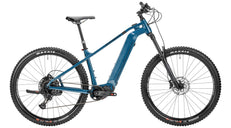
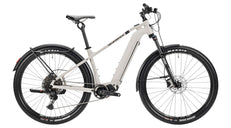
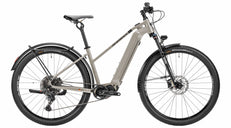
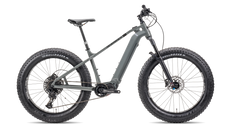
E-Bikes

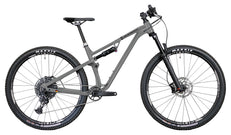
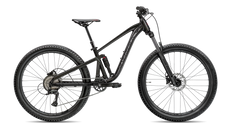
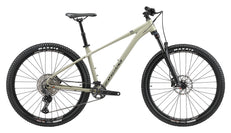
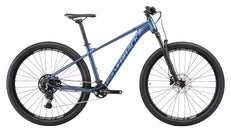
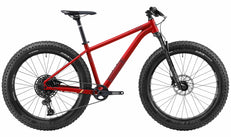
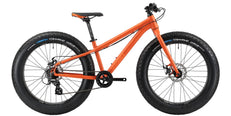
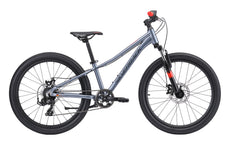
S-Electro Stride Electric 27.5 10 SPEED

Hardtail | E Kids | Alloy

  • ★★★★★
    ★★★★★
  • 120mm Travel
  • 27.5" x 2.25" Wheels
  • 1x10 Speed Shimano
  • E5000 Shimano Motor
  • 40Nm Torque
  • 504Wh Battery
  • 21.9kg
  • €2.599,00

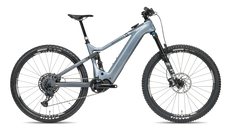
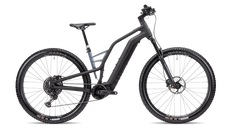
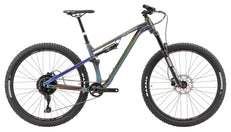
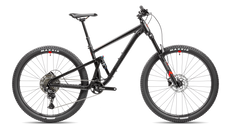
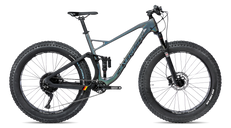
S-Electro Elite AL 2 (New Gen)

Dual Suspension | E-Enduro | Alloy

S-Electro Elite AL 2 (New Gen)
Explore icon-arrow
  • ★★★★★
    ★★★★★
  • 150/145mm Travel
  • 29" x 2.5" Wheels
  • 1x12 Speed Shimano
  • EP-6 Shimano Motor
  • 85Nm Torque
  • 630Wh Battery
  • 25.8 kg
  • €3.999,00

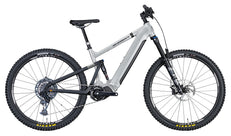
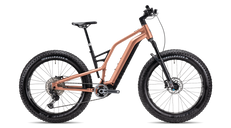
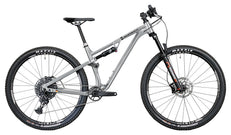
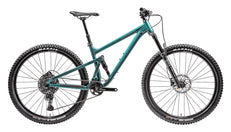
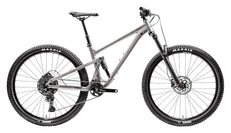
S-Electro Elite AL 2

Dual Suspension | E-Enduro | Alloy

  • ★★★★★
    ★★★★★
  • 150/145mm Travel
  • 29" x 2.5" Wheels
  • 1x12 Speed Shimano
  • EP-8 Shimano Motor
  • 85Nm Torque
  • 720Wh Battery
  • 24.6 Kg
  • €3.799,00

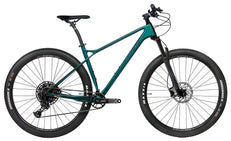
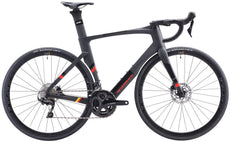
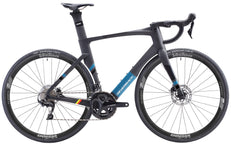
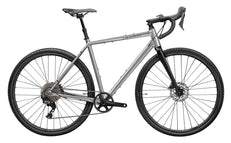
S-Electro Superfast (Rainbow Pearl)

Road | E road | Carbon

  • ★★★★★
    ★★★★★
  • 700C x 35C Wheels
  • 1x11 Speed Shimano
  • FSA Hub Motor
  • 42Nm Torque
  • 250Wh Battery
  • 12.7kg
  • €4.999,00

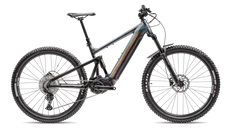
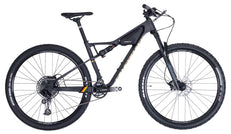
S-Electro Pro CF 2

Dual Suspension | E Enduro | Carbon

  • ★★★★★
    ★★★★★
  • 150/145mm Travel
  • 29" x 2.5" Wheels
  • 1x12 Speed SRAM
  • EP-801 Shimano Motor
  • 85Nm Torque
  • 720Wh Battery
  • from 22kg
  • €5.999,00

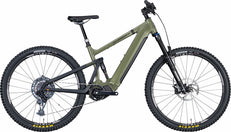
S-Electro Pro CF 1

Dual Suspension | E-Enduro | Carbon

  • ★★★★★
    ★★★★★
  • 150/145mm Travel
  • 29" x 2.5" Wheels
  • 1x12 Speed SRAM AXS
  • EP-801 Shimano Motor
  • 85Nm Torque
  • 720Wh Battery
  • from 20.9kg
  • €7.999,00

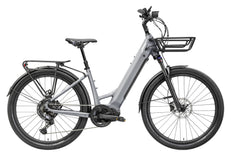
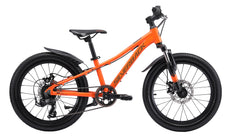
S-Electro Stride Electric 27.5 9 SPEED

Hardtail | E Kids | Alloy

  • ★★★★★
    ★★★★★
  • 120mm Travel
  • 27.5" x 2.25" Wheels
  • 1x9 Speed Shimano
  • E5000 Shimano Motor
  • 40Nm Torque
  • 504Wh Battery
  • 21.9kg
  • €2.599,00

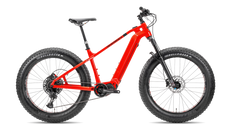
S-Electro Diamond Trail

Hardtail | E Trail | Alloy

  • ★★★★★
    ★★★★★
  • 140mm Travel
  • 29" x 2.5" Wheels
  • 1x11 Speed Shimano
  • EP-8 Shimano Motor
  • 85Nm Torque
  • 720Wh Battery
  • 21.5kg
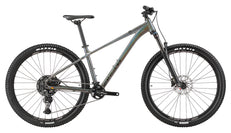
  • €3.499,00

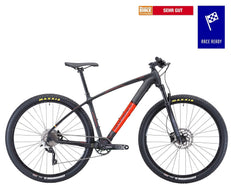
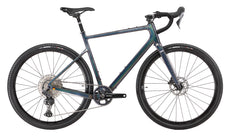
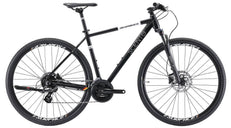
S-Electro Diamond Comp

Hardtail | E Adventure | Alloy

  • ★★★★★
    ★★★★★
  • 120mm Fork
  • 29" x 2.35" Wheels
  • 1x12 Speed SRAM
  • EP-8 Shimano Motor
  • 85Nm Torque
  • 720Wh Battery
  • 21.5kg
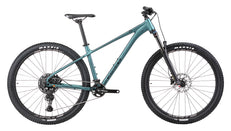
  • €3.499,00

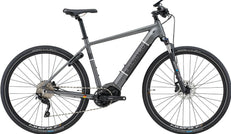
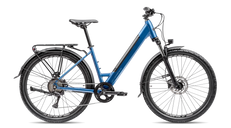
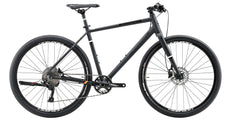
S-Electro-Metro

Hardtail | E-Commuting | Alloy

  • ★★★★★
    ★★★★★
  • 700C x 47C Wheels
  • 1x10 Speed Shimano
  • E7000 Shimano Motor
  • 60Nm Torque
  • 504Wh Battery
  • 22 kg
  • €1.999,00

FAQ's

An e‑bike is a bicycle with an electric drive system that assists your pedaling. You still ride it like a bicycle the motor simply supports you, especially on hills, into headwinds, or when carrying loads.

With a Silverback e-bike, you’re getting a proper bicycle first stable handling, strong wheels, and dependable brakes then the e-assist is integrated to support real everyday riding, not just a spec sheet. That means you feel safer and more in control at higher average speeds, you stay comfortable over longer distances, and you own a bike that’s built to last with sensible, serviceable components. In short: you ride more, go farther, and enjoy the ride without compromising on reliability.

In Germany, a standard pedelec (the most common e-bike type) provides motor assistance up to 25 km/h above that, you can still go faster, but it’s your legs doing the extra work. There are also faster models called S‑Pedelecs, which can assist up to 45 km/h, but they fall under stricter rules (typically insurance/registration requirements and different road-use regulations). So in real terms, the assisted speed depends on the bike’s legal class and how it’s configured.

Battery “life” usually means two things: range per charge and how many years the battery stays healthy. For range, most riders typically see about 40–120 km per charge, depending on battery size, rider weight, hills, wind, tyre pressure, temperature, and how much assist you use. For long-term lifespan, a well-cared-for e-bike battery commonly lasts around 500–1,000 full charge cycles before it noticeably loses capacity so for many riders that works out to roughly 3–7 years of regular use. The best way to make it last is simple: avoid extreme heat, don’t store it empty for long periods, and charge it in a cool, dry place.

Yes, this is where they shine. You can cover longer distances reliably, keep effort steady, and still arrive fresh. Choose battery capacity and comfort features that match your route.

Routine bicycle maintenance is similar to a normal bike, but drivetrains can wear faster due to higher mileage and torque. Budget for consumables (chain, cassette, brake pads, tyres) and occasional e‑system checkups if required.

Yes, quality e‑bikes are designed for real weather. Avoid pressure washing around bearings and electrical contacts, dry the bike after wet rides, and keep the charging port clean.

Pedal‑assist (pedelec) adds power when you pedal and is the most common in Germany/Europe. Throttle e‑bikes can add power without pedaling and may fall into different legal categories depending on speed and power.

Use the supplied charger and plug it into a standard wall outlet in a dry, well‑ventilated place. Make sure the charging port and connectors are clean and dry, then connect the charger securely and let it charge until it’s full (or topped up for your next ride). I always recommend avoiding extreme heat or direct sun while charging, and for battery health, don’t leave the battery stored fully empty for long periods if the bike won’t be used for a while, store the battery somewhere cool and dry with a partial charge.

Compared to cars for daily trips, e‑bikes are very efficient. They use little energy per kilometre and can meaningfully reduce congestion and emissions especially when they replace frequent short car journeys.

Most service is standard bike work, but it’s important that the electrical system is checked according to the drive manufacturer’s guidelines. Firmware updates and diagnostic checks may be part of periodic service.

Comfort‑focused geometry, easy mounting/dismounting (often step‑through), stable handling, strong brakes, and predictable assist delivery. Also consider a lower top tube, ergonomic grips, and tyres with good puncture protection.

In Germany, the “fastest” street-legal e-bike depends on its class. A standard pedelec assists up to 25 km/h, which is the most common type and is treated like a normal bicycle. The faster legal category is the S‑Pedelec, which can assist up to 45 km/h, but it falls under stricter rules (typically insurance/registration and different road-use requirements). Anything that assists beyond 45 km/h is generally not street-legal as a bicycle in Germany.

The best women’s e‑bike is the one that feels comfortable, confidence-inspiring in traffic, and easy to handle day-to-day that usually means a stable geometry and (for many riders) a lower step-over design for effortless mounting.

From Silverback, I’d suggest: S‑Electro Metro for clean, city-focused commuting (Shimano STEPS E7000, 504Wh battery, range noted around 30–100 km depending on assist/terrain), S‑Electro Stepdown if you specifically want an easy step-through/low standover commuter feel, and S‑Electro Comp SL if you want a sportier, more adventure-ready ride (Shimano E8000, up to 70 Nm, 630Wh). Note: the Ladies collection itself currently shows non‑electric hardtails (great bikes, but not e‑bikes).

If you’re shopping “affordable” in our e‑bike range, the best value pick is typically the S‑ELECTRO STEP‑SERIES 50 at €1,599 it gives you a sensible, everyday e‑bike setup with an Ananda hub motor (50Nm) and a 504Wh battery, which is exactly the kind of proven, practical spec I like to see at an entry price.

If your priority is a more premium motor feel for commuting and hills, the next step up is the S‑Electro Metro at €2,999 (Shimano E7000, 60Nm, 504Wh) or the S‑Electro Stride Electric at €2,599 (Shimano E5000, 40Nm, 504Wh) depending on who it’s for both are solid, supportable systems that won’t leave you stuck with “mystery” electronics later.

The best electric bike is the one that matches your main use. For city commuting and daily errands, go with a practical e‑commuter like the S‑Electro Metro. For mixed terrain and weekend adventures, an e‑adventure / e‑trail option like the S‑Electro Stepdown is a great fit. If you want a proper Electric MTB (e‑MTB), you can confidently mark models like the S‑Electro Diamond and S‑Electro Elite / Pro as e‑MTBs (they’re built with MTB geometry, suspension, and trail-ready tyres). And if your goal is fitness with speed on tarmac, the S‑Electro Superfast sits best in the E‑Road / E‑Gravel category, not MTB.

Once you’ve picked the category, choose the correct size first, then select a battery capacity that comfortably covers your typical distance (with a buffer for hills, wind, and colder days).

Start with the legal class: a standard pedelec (25 km/h assist) for most riders, or an S‑Pedelec (45 km/h assist) only if you’re ready for the stricter rules. Then check the essentials that decide real-world ownership: battery capacity (enough range with a buffer), a reliable motor system with strong service/support, powerful brakes, and strong wheels that can handle the extra weight and speed. Finally, choose the right tyres for your roads (grip + puncture protection) and make sure the geometry feels comfortable and confidence-inspiring for your daily riding because the best e‑bike is the one you’ll enjoy using every day.

There are a few main e-bike types, and the right one depends on where you ride and what you carry. City/commuter e-bikes are built for daily transport and comfort, e‑MTBs are made for trails with stronger suspension and grip, and e‑gravel/trekking e-bikes are the versatile “go anywhere” option for mixed surfaces and longer rides. If you need to carry heavy loads, cargo e-bikes are designed around stability and payload, and if you want higher assisted speeds, speed‑pedelecs (up to 45 km/h assist) sit in a separate legal category. The real differences come down to geometry, tyres, motor tuning, and the terrain/load the bike is built for.

E-bikes are good because they make cycling easier to fit into real life, you ride more often, go farther, and tackle hills, wind, and longer distances without it feeling like a struggle. They’re perfect for commuting and errands because you arrive less sweaty and less tired, and they’re great for fitness too because you can keep a steady effort and still spend more time riding. In the end, that’s the biggest win: an e-bike removes the common barriers and simply gets you on the bike more.

An e-bike gives you more range and makes hills and headwinds feel easy, so you can ride farther without feeling drained. For commuting, it means less sweat and more consistent travel time, even when the weather or traffic isn’t ideal. And on days when you’re tired, carrying a bag, or coming back from a break, the assist helps you keep riding regularly without losing the simple joy of cycling.

On a single charge, range depends on battery size, assist level, rider weight, hills, wind, tyre pressure, and temperature but most riders typically see around 40–120 km per charge in real use. Long-term, a well-cared-for battery commonly delivers about 500–1,000 full charge cycles, which for many riders works out to roughly 3–7 years before the capacity noticeably drops. To make it last, avoid extreme heat, don’t store it empty, and store it partly charged in a cool, dry place.

In Germany, standard pedelecs provide motor assistance up to 25 km/h. S‑pedelecs can assist up to 45 km/h, but they fall under stricter rules (typically insurance/registration and different road-use requirements), so the exact limit depends on the bike’s legal classification.

Online chat is available 24/7

Open Chat
Google
4.8/5
star star star star star
Sold in 49 countries
logo
logo
banner