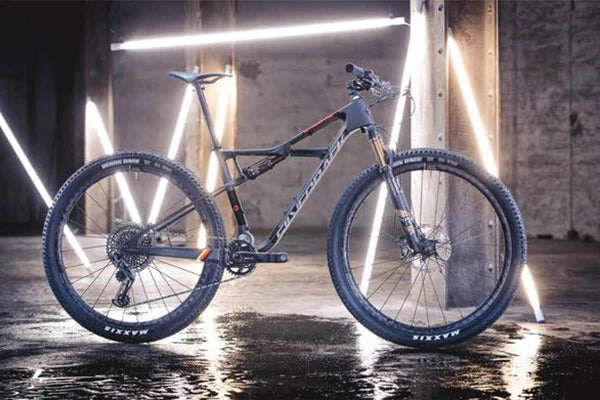
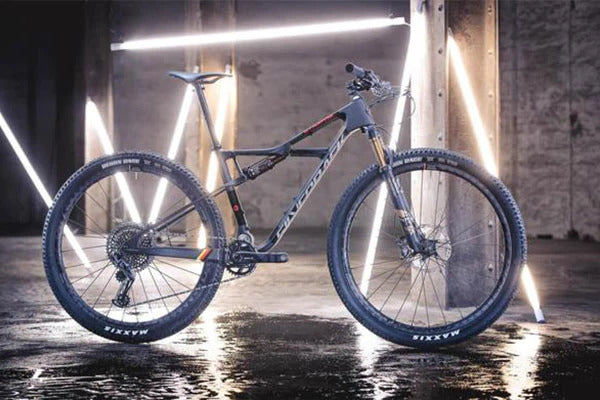
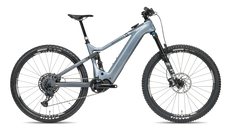
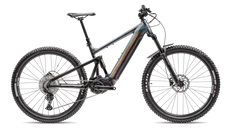
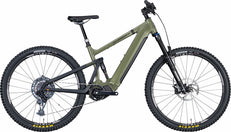
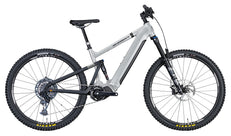
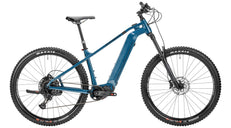
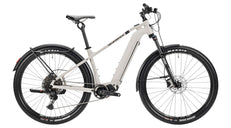
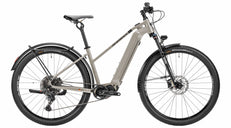
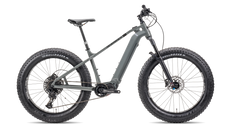
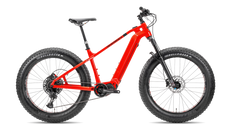
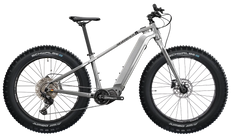
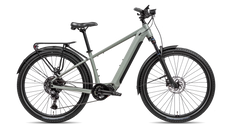
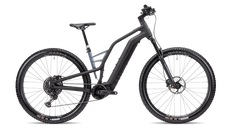
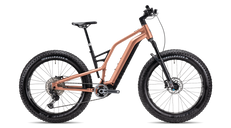
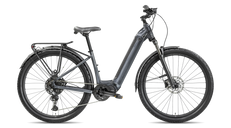
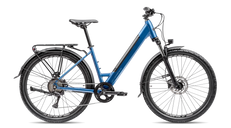
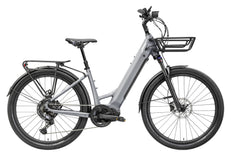
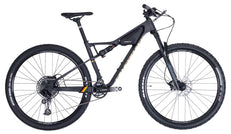
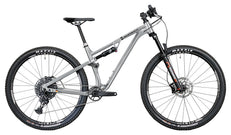
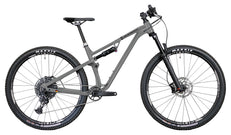
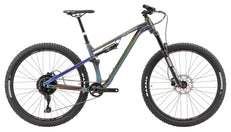
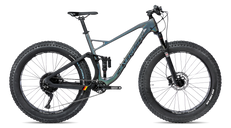
150/145mm Travel
 29" x 2.5" Wheels
 1x12 Speed SRAM AXS
 EP-801 Shimano Motor
 85Nm Torque
 720Wh Battery
 from 20.9kg


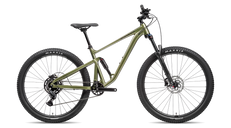
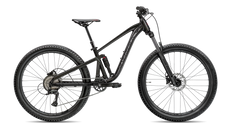
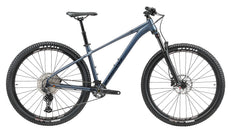
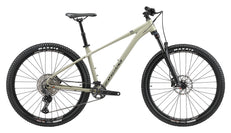
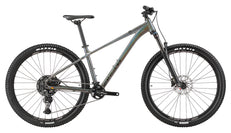
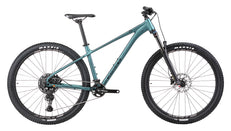
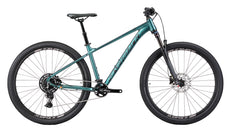
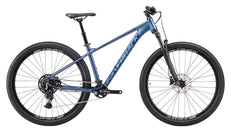

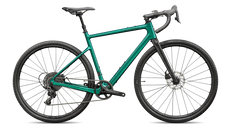
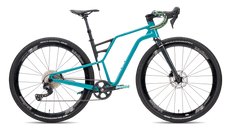
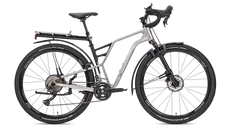
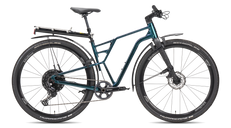
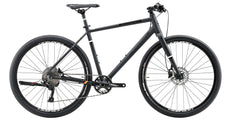
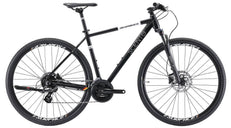




Why Simplicity Often Leads to Better Performance
The bicycle industry has a complexity problem. Every year brings new standards, additional gears, more suspension linkages, and electronic systems that require firmware updates. And yet, some of the most capable, reliable, and genuinely enjoyable bikes ever built are also the simplest. This is not a coincidence.
At Silverback Bikes, we've long believed that the best bike for any given purpose is the one that does exactly what it needs to — and nothing more. Here's why simplicity is one of the most underrated performance advantages in cycling.
The Weight Argument: Every Gram of Complexity Has a Cost
Every additional component on a bicycle adds weight, and weight is the enemy of acceleration, climbing, and handling agility. A 12-speed drivetrain is heavier than a 10-speed. A full-suspension frame is heavier than a hardtail. An electronic shifting system is heavier than a mechanical one.
More importantly, complexity adds system weight — the cognitive and mechanical overhead of managing, maintaining, and troubleshooting interconnected systems. A single-speed drivetrain, by contrast, has one chain, one chainring, and one cog. There is nothing to adjust, nothing to index, and nothing to fail mid-ride.
Explore our Bicycle Components range to understand how thoughtful component selection — rather than maximum specification — defines a truly capable build.
Fat Bikes and the Beauty of Focused Design
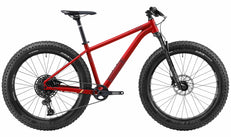
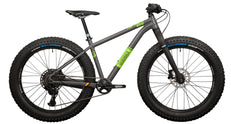
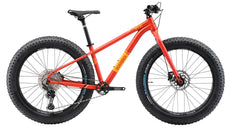
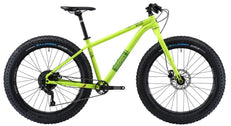
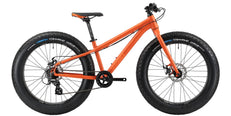
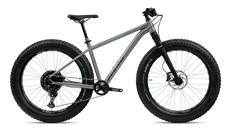
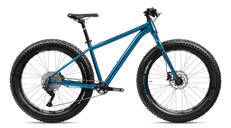
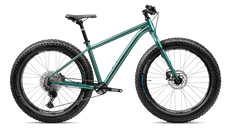
The fat bike is perhaps the purest expression of simplicity-as-performance in modern cycling. Wide tyres, a robust frame, and a straightforward drivetrain — that's the formula. And it works on sand, snow, mud, gravel, and everything in between.
The SE:Series Fat Deluxe exemplifies this philosophy. Its geometry is optimised for stability and traction, its component spec is chosen for durability and reliability, and its tyre clearance is maximised for versatility. There are no unnecessary features — just a bike that does its job exceptionally well.
The SE:Series Fat Adventure takes the same approach and adds bikepacking capability, proving that simplicity scales beautifully. Browse the complete SE:Series Fat range to see the full lineup.
Drivetrains: When Fewer Gears Is the Right Answer
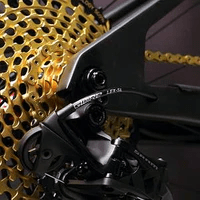
The shift from 10 to 11 to 12-speed drivetrains has been relentless. But for many riders and many types of riding, a simpler drivetrain is genuinely superior. Single-speed and 1x drivetrains eliminate the front derailleur entirely, reducing weight, improving chain line, and removing one of the most common sources of mechanical issues on the trail.
Our Upgrade Kits include options like the SRAM GX Eagle 1x12-speed Upgrade Kit — a clean, capable 1x system that covers a wider gear range than most 2x setups while being significantly simpler to operate and maintain. For those who want to go even simpler, the Scoop Single XD Freewheel opens the door to single-speed conversion.
Maintenance: The Hidden Performance Advantage of Simple Bikes
A bike that is easy to maintain is a bike that gets ridden. Complex systems — electronic derailleurs, hydraulic suspension with multiple adjustments, integrated cable routing — require specialist tools, technical knowledge, and regular servicing. When maintenance becomes a barrier, bikes sit in garages.
Simple bikes, by contrast, can be kept in perfect working order with basic tools and a few minutes of attention. A well-maintained simple bike will outperform a neglected complex one every single time. This is why our Tools collection focuses on practical, accessible workshop essentials — because the best maintenance is the maintenance that actually gets done.
Read our guide on things you wish you knew when you started cycling for more practical wisdom on keeping your bike performing at its best.
Geometry: Simple Shapes, Optimal Function
Frame geometry is where simplicity has the most profound impact on performance. A well-designed frame with clean lines and optimised tube angles will outride a poorly designed frame with exotic materials every time. The relationship between head tube angle, chainstay length, and bottom bracket height determines how a bike handles — and getting these numbers right requires deep engineering knowledge, not complexity for its own sake.
This is why Silverback invests heavily in geometry research across our full bicycle range. Whether it's the planted stability of our fat bikes or the responsive handling of our Gravel/CX bikes, every geometry decision is made with purpose.
The Psychological Dimension: Confidence Through Clarity
There is a psychological dimension to simplicity that is rarely discussed but profoundly real. When a rider fully understands their bike — when there are no mysterious electronic systems, no complex suspension adjustments, no ambiguity about what the bike will do — they ride with greater confidence and commitment.
Confidence produces better technique. Better technique produces better performance. This is why many experienced riders, given the choice, gravitate toward simpler setups even when they can afford the most complex alternatives. Read about the experience of riding a fat bike to work to understand how a simple, focused bike can transform your daily relationship with cycling.
FAQ
Is a 1x drivetrain really better than a 2x for mountain biking?
For most trail and enduro riding, yes. A 1x drivetrain eliminates front shifting, reduces chain drop risk, and simplifies the cockpit. Modern 1x systems like the SRAM GX Eagle 12-speed offer a gear range that covers virtually all terrain. The trade-off is slightly reduced efficiency at the extremes of the gear range, which matters more for road riding than trail riding.
Are hardtail mountain bikes still relevant in 2025?
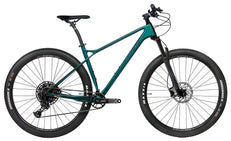
Absolutely. Hardtails are lighter, simpler, cheaper to maintain, and — crucially — they make you a better rider by demanding better technique. Many elite riders train on hardtails specifically because the feedback they provide is more direct and educational than a full-suspension bike.
What is the most reliable type of bicycle for everyday use?
For everyday reliability, a well-built single-speed or internally geared hub bike is hard to beat. Fewer external components means fewer things to go wrong. For riders who need gears, a quality 1x drivetrain with a clutch derailleur offers an excellent balance of simplicity and versatility.
Does a simpler bike mean a cheaper bike?
Not necessarily. Simplicity in design often requires more sophisticated engineering — achieving the right result with fewer components demands greater precision. Our Premium range demonstrates that the most refined bikes are often the most focused ones.
How do I know if my bike is too complex for my needs?
A useful test: if you regularly use fewer than half your available gears, or if you've never adjusted your suspension settings, your bike may be more complex than your riding requires. Simplifying your setup — starting with a 1x drivetrain conversion — can make your bike feel more connected and easier to manage.