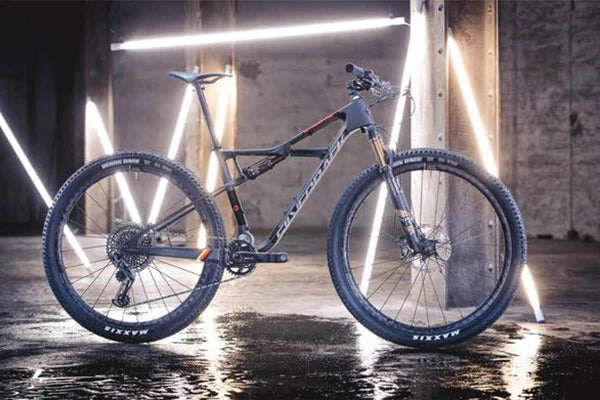
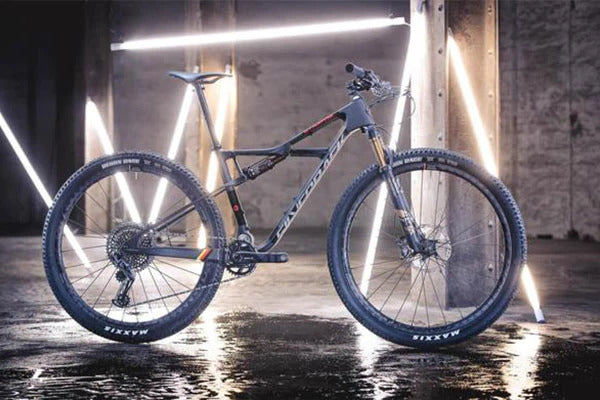
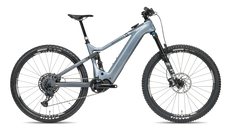
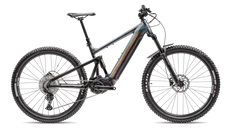
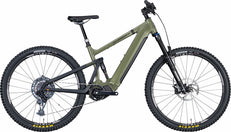
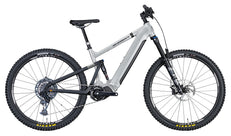
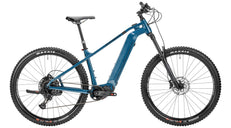
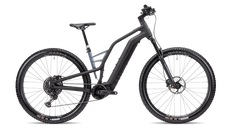
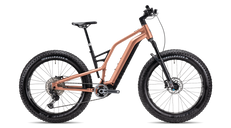
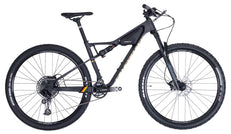
150/145mm Travel
 29" x 2.5" Wheels
 1x12 Speed SRAM AXS
 EP-801 Shimano Motor
 85Nm Torque
 720Wh Battery
 from 20.9kg
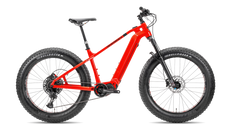

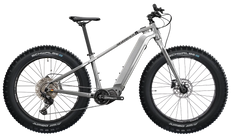

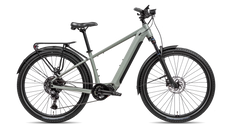






How AI Is Changing Bicycle Design and Marketing
Artificial intelligence has arrived in the cycling industry — and its impact is already being felt across the entire value chain, from the engineering lab to the online store. For riders, this means better-designed bikes, more personalised buying experiences, and smarter tools for finding the right equipment. For brands like Silverback Bikes, it means new ways to serve customers and push the boundaries of what's possible in bicycle design.
Here's a comprehensive look at how AI is reshaping cycling — and what it means for you.
Generative Design: AI-Optimised Frame Engineering
Traditional bicycle frame design is an iterative process: engineers propose a geometry, build a prototype, test it, and refine. This cycle takes months and is constrained by human intuition about what shapes are possible and practical.
Generative design algorithms change this fundamentally. By defining the constraints — load paths, stress points, weight targets, manufacturing methods — and letting AI explore the solution space, engineers can discover frame geometries and tube profiles that no human designer would have conceived. The results are often organic-looking structures that are simultaneously lighter, stiffer, and stronger than conventionally designed alternatives.
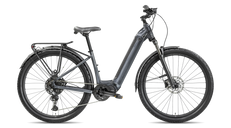
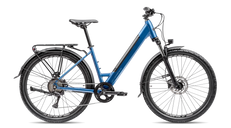
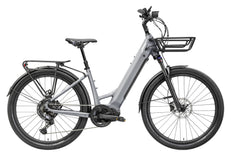
This technology is already influencing the development of premium carbon frames and e-bike motor integration — areas where the interaction between structural requirements and component placement creates complex optimisation challenges. Explore our S-ELECTRO e-bike range to see how integrated design thinking is applied to our electric bicycle lineup.
Aerodynamic Simulation: CFD Without the Wind Tunnel
Computational Fluid Dynamics (CFD) simulation has been used in professional cycling for years, but the computational cost made it inaccessible for most manufacturers. AI-accelerated CFD is changing this, making aerodynamic optimisation available at a fraction of the traditional cost and time.
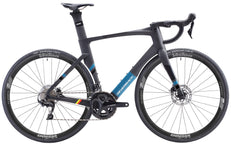
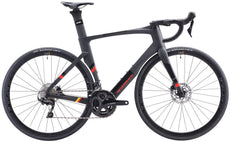
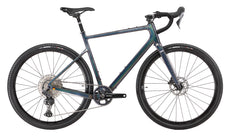
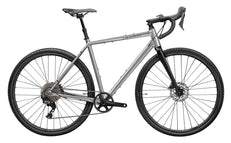
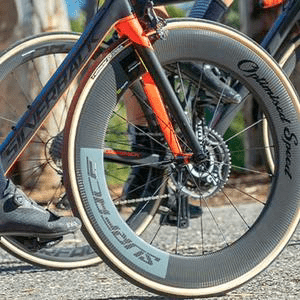
For road and gravel bikes, this means more aerodynamically refined tube shapes, integrated cable routing, and cockpit designs that reduce drag without compromising handling. The Gravel/CX category is particularly benefiting from this, as riders increasingly demand bikes that are fast on the road but capable off it — a combination that requires careful aerodynamic and structural trade-off analysis.
AI-Powered Fit: Finding Your Perfect Bike
One of the most exciting applications of AI in cycling is personalised bike fitting. Traditional bike fitting requires an in-person session with a specialist, expensive motion capture equipment, and significant time investment. AI-powered fit tools are making this process more accessible.
By analysing photos or video of a rider on their current bike, AI algorithms can identify fit issues — saddle height, reach, stack — and recommend adjustments or alternative bike geometries. This technology is beginning to appear in online retail environments, allowing customers to get meaningful fit guidance before they buy.
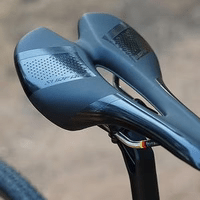
At Silverback, we believe every rider deserves a bike that fits. Our saddle range — including the ergonomically designed Surface S-ELECTRO COMFORT Saddle and the performance-focused Surface Sport Saddle — reflects our commitment to fit diversity across rider types.
Predictive Maintenance: AI That Knows Your Bike
E-bikes are the natural home for AI-driven predictive maintenance. With motor controllers, battery management systems, and sensors already on board, the data infrastructure for intelligent maintenance alerts already exists. AI algorithms can analyse riding patterns, motor load data, and component wear indicators to predict when service is needed — before a failure occurs.
This is particularly valuable for the S-ELECTRO range, where motor and battery health directly affect range and performance. Keeping these systems in optimal condition is essential for getting the most from your e-bike investment. Browse our S-ELECTRO Parts and Accessories to ensure your e-bike stays in peak condition.
AI in Marketing: Personalisation at Scale
The impact of AI on bicycle marketing is equally significant. Machine learning algorithms now power product recommendation engines, dynamic pricing tools, personalised email campaigns, and content generation systems that would have required large teams just five years ago.
For customers, this means a more relevant online shopping experience — product suggestions that actually match your riding style, content that addresses your specific questions, and promotions timed to your purchase cycle. For brands, it means the ability to serve diverse customer segments with personalised messaging at a scale that was previously impossible.
AI-generated imagery is also transforming how cycling products are visualised. Photorealistic renders of bikes in environments that don't yet exist, lifestyle imagery generated from product photos, and dynamic content that adapts to viewer preferences — these tools are reshaping the visual language of cycling marketing.
The Human Element: What AI Cannot Replace
For all its power, AI cannot replace the human elements that make cycling meaningful. The feel of a perfectly tuned bike on a favourite trail, the relationship between a rider and their machine built over thousands of kilometres, the community and culture that surrounds cycling — these are irreducibly human experiences.
Read about real Silverback riders and their stories: from riding a fat bike to work to adventures in Lesotho — these are the experiences that remind us why we build bikes in the first place.
AI is a tool. The best bicycle brands will use it to serve riders better — not to replace the passion and expertise that defines great cycling products. Explore our full Silverback Bicycles range and experience the result of human expertise enhanced by modern technology.
FAQ
Is AI already being used to design production bicycles?
Yes. Several major manufacturers are using generative design and AI-accelerated simulation in their development processes. The technology is most advanced in carbon frame development and e-bike motor integration, where the complexity of the design problem makes AI assistance most valuable.
Can AI help me choose the right bike?
Increasingly, yes. AI-powered recommendation tools and fit algorithms are becoming more sophisticated and accessible. In the meantime, our Product Finder is a great starting point for narrowing down the right Silverback bike for your needs.
Will AI make bicycles more expensive?
In the short term, AI-optimised designs may carry a premium. Over time, however, AI-driven manufacturing optimisation and supply chain efficiency should reduce costs — making better bikes accessible at lower price points. Our Economy range already demonstrates that performance and value are not mutually exclusive.
How does AI affect e-bike battery management?
AI algorithms can optimise battery discharge patterns based on terrain, rider weight, and riding style — extending range and protecting long-term battery health. This is an active area of development in the e-bike industry, and the benefits will become more pronounced as the technology matures.
Is AI-generated cycling content reliable?
AI-generated content should always be reviewed by human experts, particularly for technical cycling information. At Silverback, all our content is produced and verified by people who ride and understand bikes — AI is a tool we use to work more efficiently, not a replacement for genuine expertise.