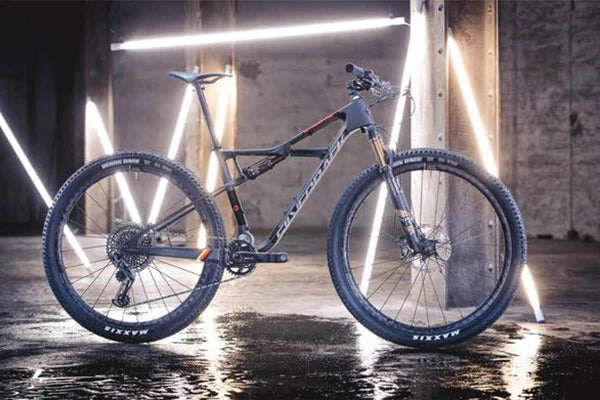
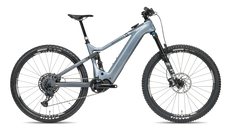
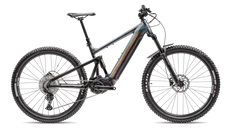
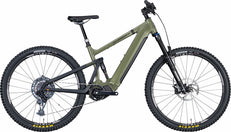
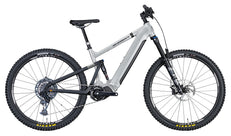
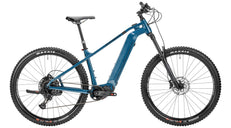
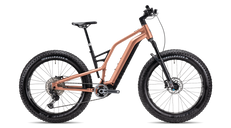
150/145mm Travel
 29" x 2.5" Wheels
 1x12 Speed SRAM AXS
 EP-801 Shimano Motor
 85Nm Torque
 720Wh Battery
 from 20.9kg


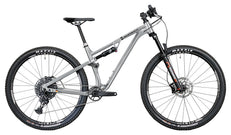
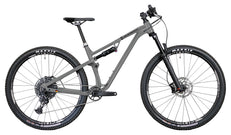
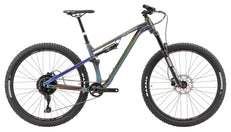
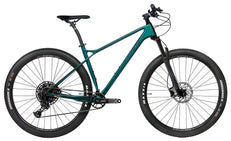
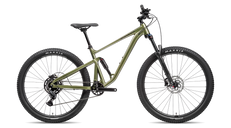
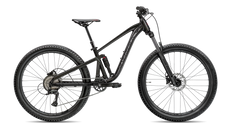
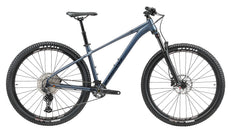
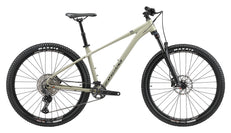

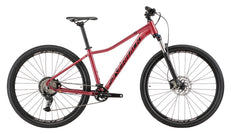
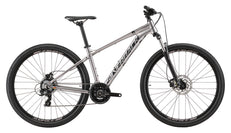
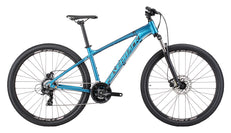
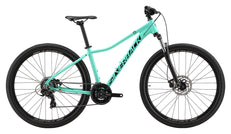
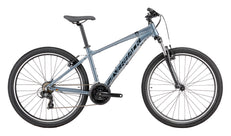
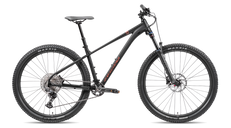
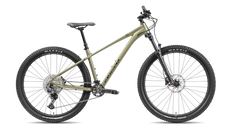
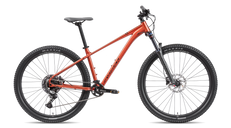
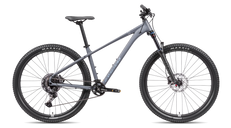
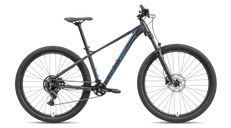
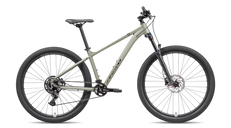
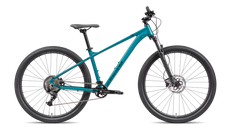
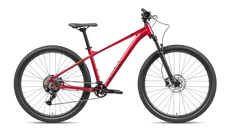
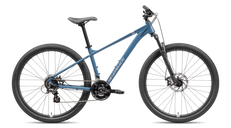
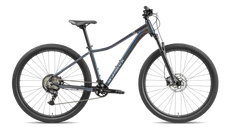
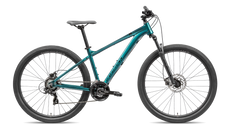
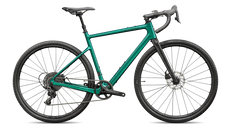
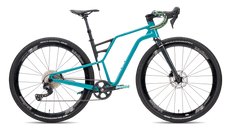
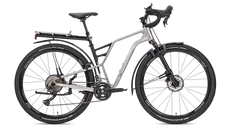
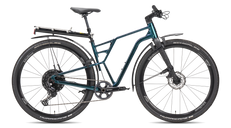
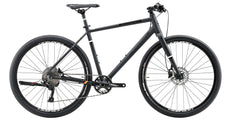
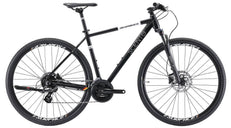
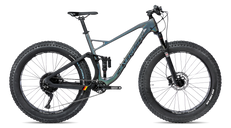
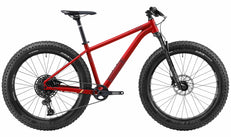
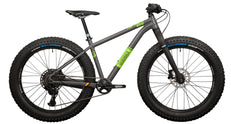
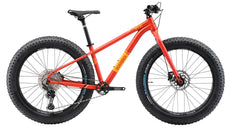
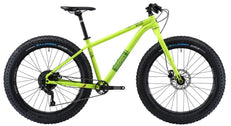
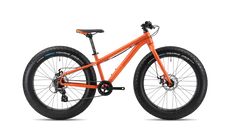
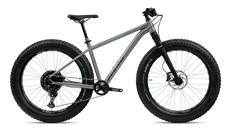
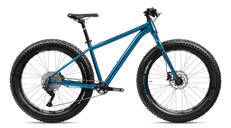
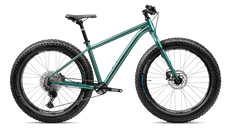
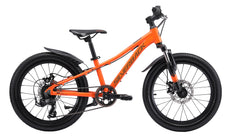
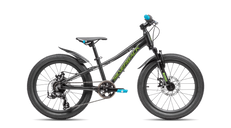
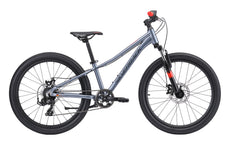
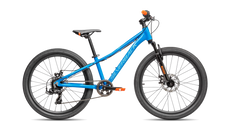
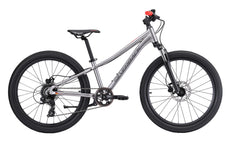




What makes a fat bike useful in winter?
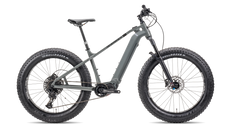
A fat bike can be a useful winter companion because its large-volume tyres offer scope to tune the contact patch for soft surfaces. That does not mean it floats over every snowpack or grips polished ice automatically. Winter performance depends on snow depth, surface support, temperature, tyre construction, pressure and the rider's technique.
Start by identifying the conditions you will actually meet. A groomed route, a slushy commute and a fresh-snow forest ride need different decisions. Choose routes you can leave safely if conditions deteriorate, and avoid assuming that yesterday's tracks will offer the same support today.
Build the setup around the surface
Packed snow versus fresh snow
On supportive packed snow, prioritise predictable steering and enough tyre support for corners. In softer snow, a larger contact patch may help reduce sinking, provided your tyre and rim system supports the chosen pressure. Make small changes and test them close to the start rather than committing to an unfamiliar setup deep into a ride.
If you are repeatedly sinking, walking may be the safer and less damaging option. Riding soft groomed trails can leave deep ruts, so follow local trail conditions and access guidance. More motor assistance cannot create support where the snowpack has none.
Ice needs its own traction decision
Wide rubber should not be confused with reliable ice grip. If your route regularly includes frozen puddles or polished surfaces, investigate suitable studded tyres and verify their fit. Even with studs, ride conservatively and avoid sudden braking or steering inputs. Getting off and walking is a reasonable choice when traction is uncertain.
Compare winter riding conditions
| Surface | Main concern | Setup priority |
|---|---|---|
| Packed snow | Steering and cornering support | Controlled pressure testing |
| Soft snow | Sinking and wheelspin | Compatible high-volume tyres and gentle power |
| Ice | Unpredictable grip | Appropriate traction equipment and caution |
| Salted roads | Corrosion and spray | Protection, cleaning and drying |
Clothing and visibility matter as much as tyres
Layer for the effort you will produce, not just the temperature at the door. Breathable layers make it easier to manage sweating on climbs. Protect fingers and feet without restricting circulation, and carry an extra layer for a stop or mechanical problem. Check that gloves still allow secure braking and shifting.
Winter daylight can be short and visibility poor. Review your lighting and reflective equipment before leaving. Keep lenses clean, carry a charged phone and let someone know your route when riding in remote areas. Avoid using a clothing system for the first time on your longest winter outing.
Electric assistance and battery care
Cold weather can affect available battery performance, so plan shorter margins than you would on a familiar mild-weather ride. Follow the battery manufacturer's instructions for storage and charging temperatures. Do not place a cold battery straight onto charge unless the instructions permit its condition and temperature.
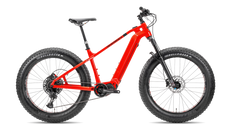
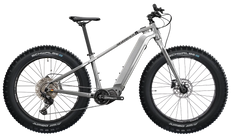
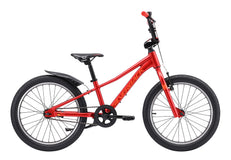
The SilverRider Fat listing specifies a removable 820 Wh battery; the red Diamond Fat Explorer listing specifies 720 Wh. Neither figure guarantees winter distance. Terrain, assistance, wind, load and temperature all affect the energy your route requires.
Buying advice and post-ride care
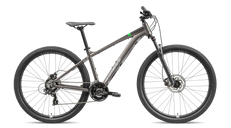
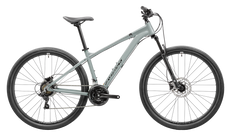
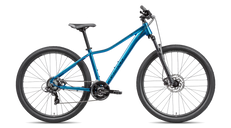
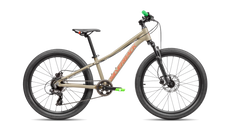
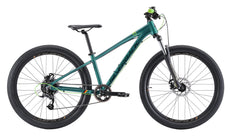
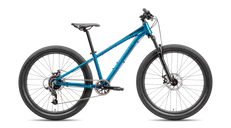
For a simple non-electric winter bike, compare the rigid-fork SE:Series models and their gearing. The Adventure and Explorer listings specify 4.7-inch tyres, but suitability for ice still depends on the actual tyre tread and stud provision. Verify those details rather than assuming wide tyres are winter tyres.
After a salty or wet ride, clean the bike using the manufacturer's recommended method, dry it and inspect the drivetrain. Avoid directing high-pressure water at bearings or electrical connections. Check braking performance before the next ride and deal with damage before another cold outing.
FAQ
Are fat bikes safe on ice?
Do not assume so. Ice requires a separate traction assessment, cautious technique and, where suitable, compatible studded tyres.
Should I use the lowest possible pressure?
No. Too little support can cause tyre squirm, rim impacts or air loss. Stay within the tyre and rim guidance and test gradually.
Is electric assistance always better in snow?
It can help manage effort, but abrupt torque can encourage wheelspin. Smooth input and route choice remain important.
Explore bikes, equipment and related reading
Browse Fat Bikes & E-Fat Bikes and Fat Bike Accessories. Compare SE:Series Fat Explorer, SE:Series Fat Adventure #2 and SE:Series Fat Deluxe #2 for non-electric options. Review SilverRider Fat and S-Electro Diamond Fat Explorer (Red) for electric alternatives. Check the Vee Tire Bulldozer tyre and tube combo for its stated dimensions, not as an ice-grip guarantee. Read Fat Bike for Sand, Snow or Trail? and Riding a fat bike to work.