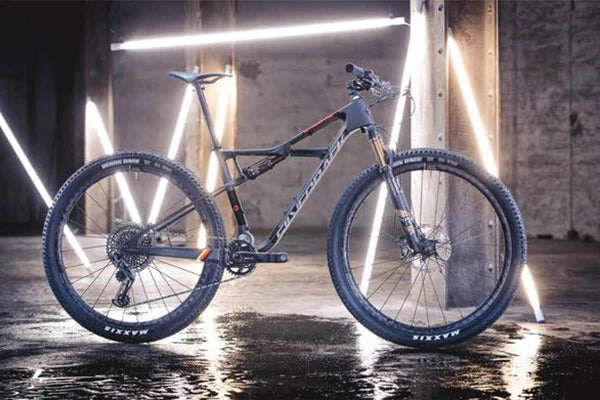
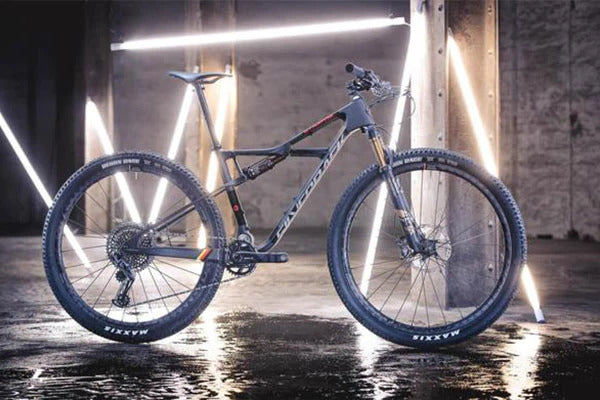
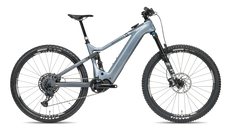
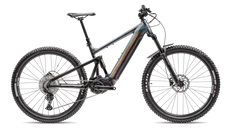
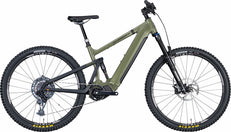
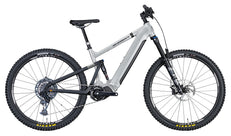
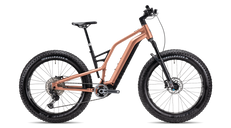
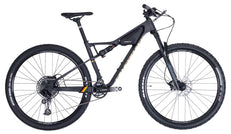
150/145mm Travel
 29" x 2.5" Wheels
 1x12 Speed SRAM AXS
 EP-801 Shimano Motor
 85Nm Torque
 720Wh Battery
 from 20.9kg
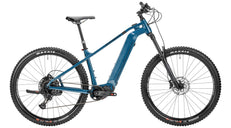
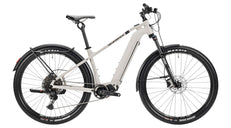
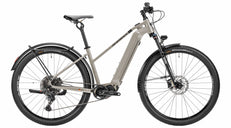
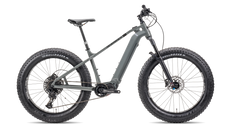
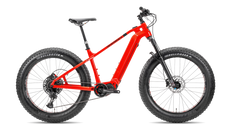

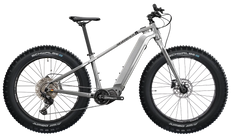

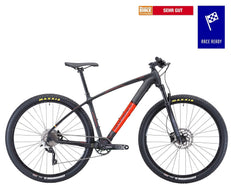
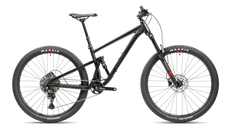
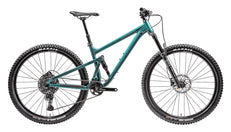
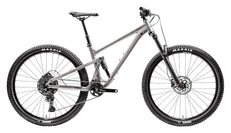

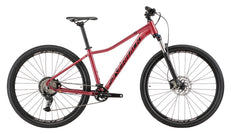
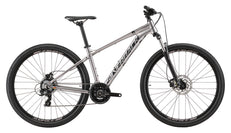
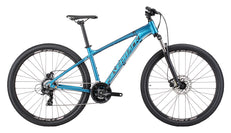
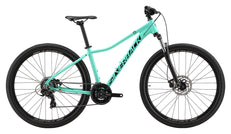
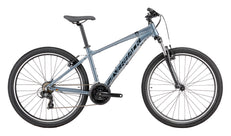
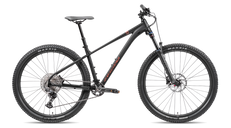
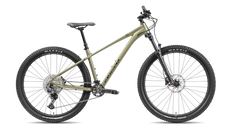
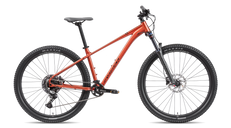
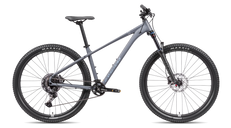
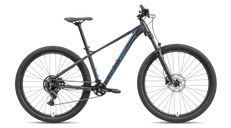
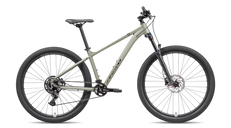
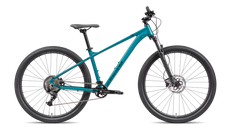
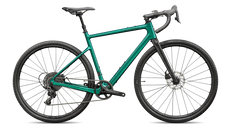
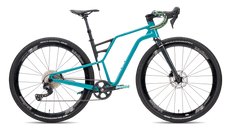
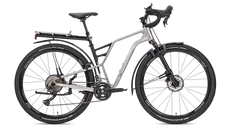
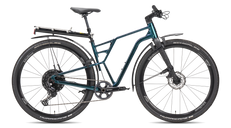
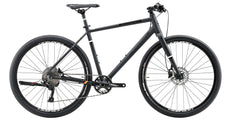
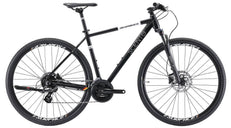
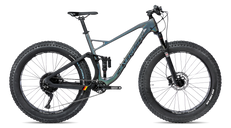
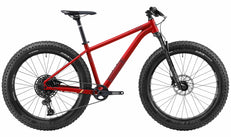
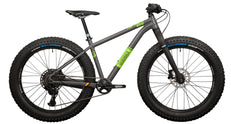
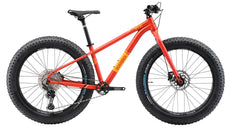
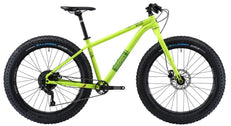
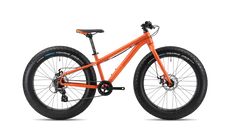
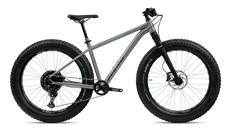
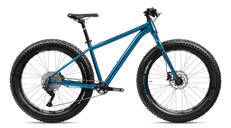
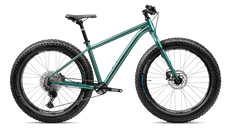
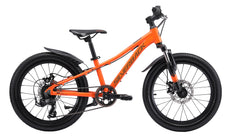




There is no single correct pressure for every fat bike
The right fat bike tyre pressure is a balance between surface contact and tyre support. A setting that feels excellent on soft snow can feel vague on firm ground. A pressure that works for an unloaded rider may be unsuitable after adding bags, tools and water. Tyre width alone cannot settle the question.
Begin with the permitted operating guidance for your exact tyre and rim combination. Manufacturer limits take priority over an internet pressure chart. This guide deliberately avoids a universal numeric setting because tyre construction, rim width, rider load and terrain can change the answer substantially.
Understand the variables before adjusting
Load and front-to-rear balance
Consider total riding load, not just your body weight. Include the bike, battery, clothing and luggage. A loaded rear rack changes how the rear tyre behaves, while braking and descending can shift more load towards the front. The two tyres do not necessarily need identical pressure.
Keep a note of what you carry during your test. If the setup feels different on a later ride, luggage or temperature may explain the change. A pressure record without the conditions is much less useful than it first appears.
Casing, rim width and inflation system
Tyres with different casings can respond differently even at the same marked width. Rim support also affects the tyre profile. A tubeless-ready tyre does not mean the wheel is already prepared for tubeless use; the rim, tape, valve, sealant and tyre must all form a compatible system.
With tubes, very low support can increase the risk of pinching the tube against the rim. Tubeless does not eliminate rim strikes, tyre damage or possible air loss. Treat the whole system as a setup, not the tyre label as a shortcut.
Use a repeatable test loop
Start with a safe baseline
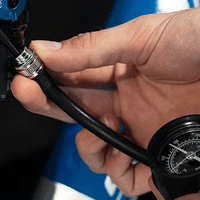
Use a suitable low-pressure gauge and inflate according to the manufacturer's recommended starting guidance. Choose a short loop with representative terrain and an easy exit. Include a gentle corner, a climb and a small surface irregularity, but do not use a high-consequence descent to discover whether your tyres have enough support.
Change one variable at a time. Make a small pressure adjustment, ride the same loop and record steering, traction and impacts. Keep the gauge consistent, because swapping between gauges can make a small adjustment difficult to interpret.
Diagnose what the bike is telling you
| Symptom | Possible explanation | Next step |
|---|---|---|
| Bouncing and limited conformity | Excess support for this surface | Test a small reduction within guidance |
| Vague steering or tyre folding | Insufficient lateral support | Increase support and inspect the system |
| Rim contact on impacts | Insufficient protection for load or speed | Stop, inspect and revise the setup |
| Air loss after corners | Leak or tubeless-system problem | Inspect rather than repeatedly reinflate |
Adjust for snow, sand and firm trails
Soft snow and sand can reward a larger contact patch, but lowering pressure is useful only while the tyre remains adequately supported. On firm terrain, corners and impacts may require more support. Mixed rides are a compromise, so choose the setting that remains safe through the most demanding section rather than the setting that feels fastest on the easiest one.
Temperature changes can alter the reading. Check again in riding conditions, using the same gauge, and avoid assuming a warm indoor setting will behave identically outside. Carry inflation equipment so you can correct an unsuitable setup rather than continuing because adjustment is inconvenient.
Buying advice
Buy the gauge and pump before experimenting with very small changes. A suitable gauge is often more useful than immediately buying another tyre. For replacement tyres, verify actual rim compatibility, frame clearance and wheel diameter. The store's Bulldozer combo is listed as 26 x 4.7; that is not a universal fit recommendation.
FAQ
Should front and rear pressures match?
Not necessarily. Load distribution and riding demands differ, so test each end rather than copying a single figure.
Can tubeless run without pressure checks?
No. Check pressure and inspect the sealant system according to the equipment manufacturer's instructions.
What if the tyre keeps losing air?
Find the leak or compatibility issue. Repeated inflation is not a repair, especially before a remote ride.
Explore bikes, equipment and related reading
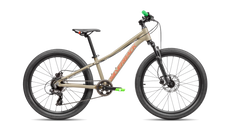
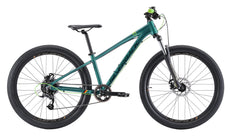
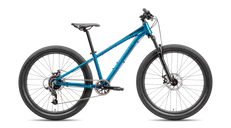
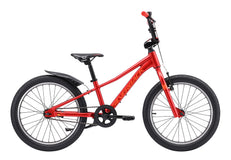
Start with Fat Bikes & E-Fat Bikes and Fat Bike Accessories. Check specifications for SE:Series Fat Explorer, SE:Series Fat Adventure #2, SE:Series Fat Deluxe #2, SilverRider Fat and S-Electro Diamond Fat Explorer (Red). Inspect the Vee Tire Bulldozer tyre and tube combo before choosing replacement dimensions. Continue with Fat Bike for Sand, Snow or Trail? and Riding a fat bike to work.