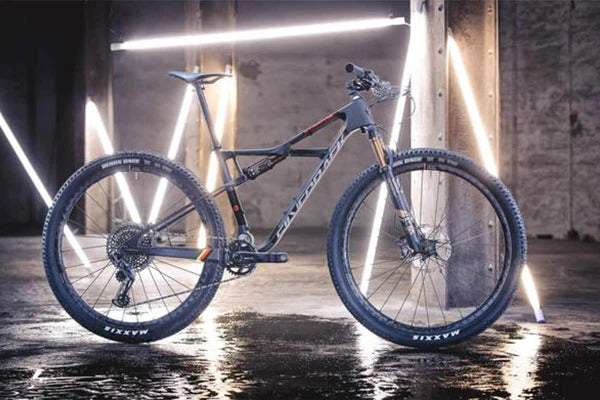
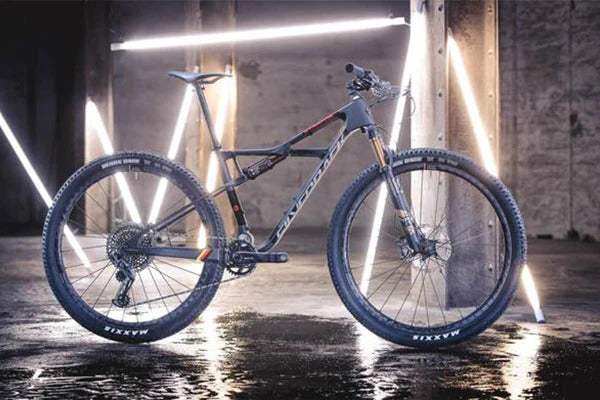
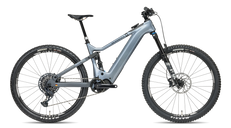
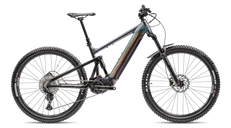
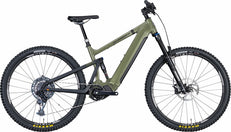
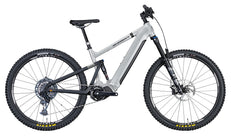
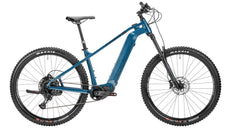
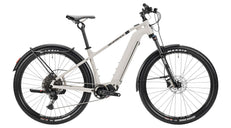
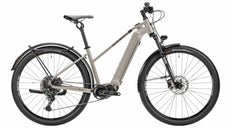
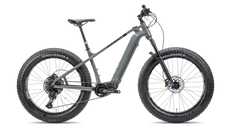
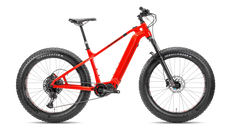
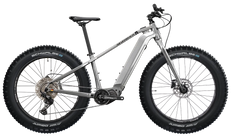
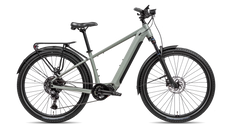
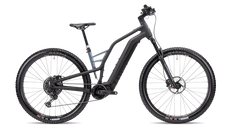
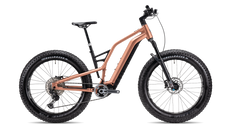
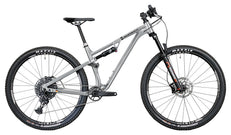
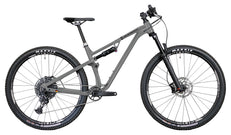
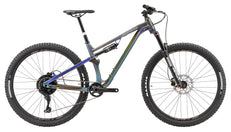
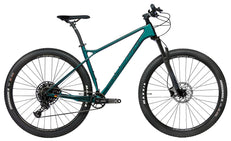
150/145mm Travel
 29" x 2.5" Wheels
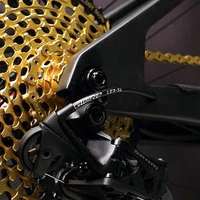
 1x12 Speed SRAM AXS
 EP-801 Shimano Motor
 85Nm Torque
 720Wh Battery
 from 20.9kg


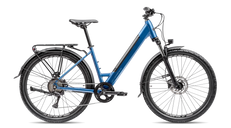
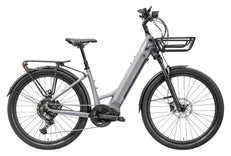
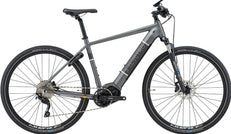
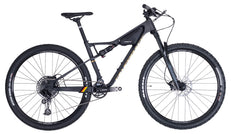
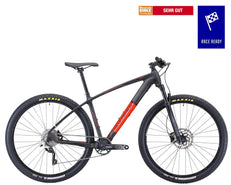
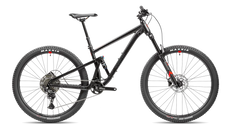
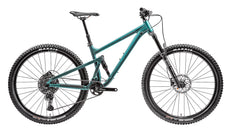
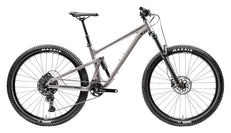
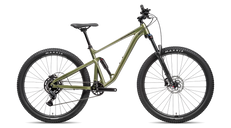
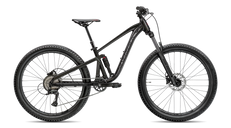
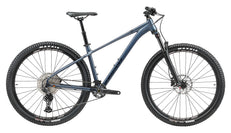
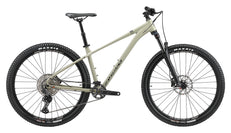
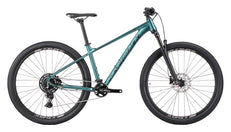
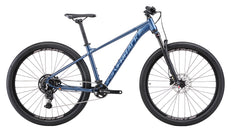
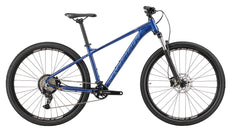
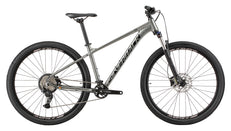
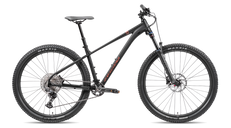
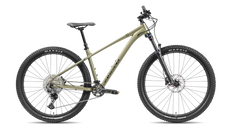
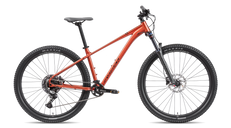
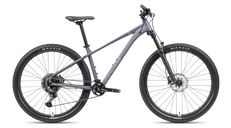
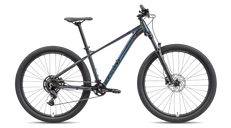
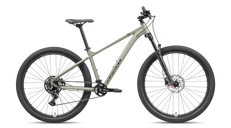
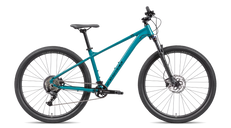
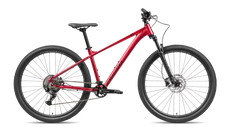
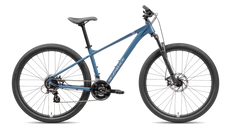
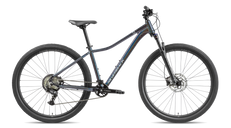
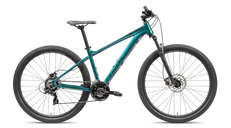
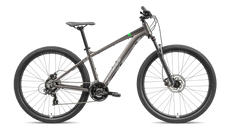
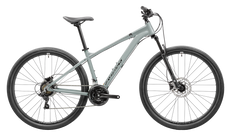
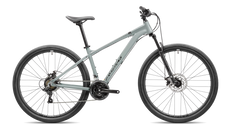
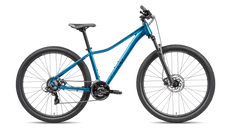
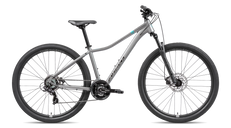
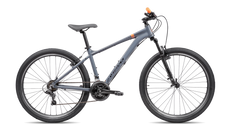
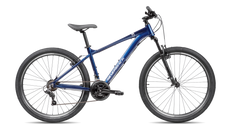
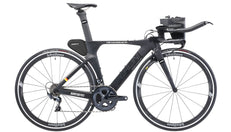
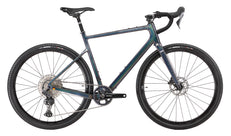
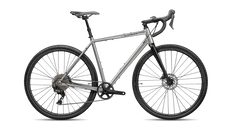
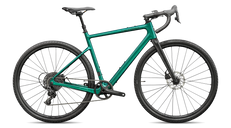
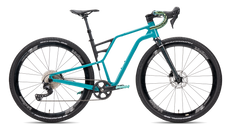
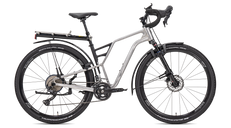
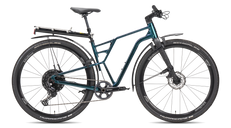
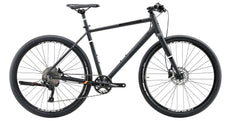
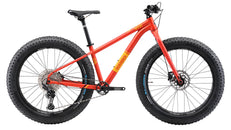
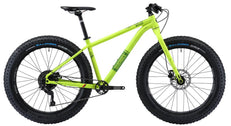
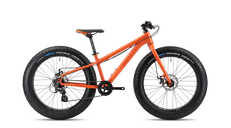
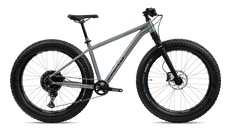
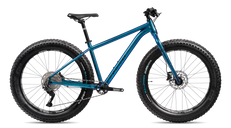
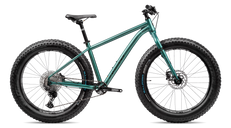
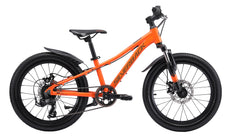
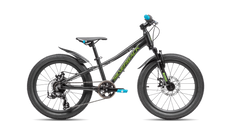
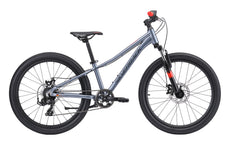
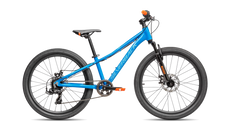
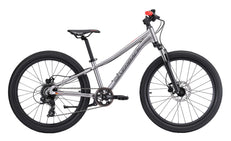
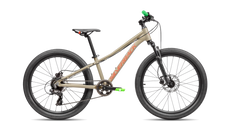
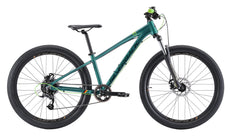
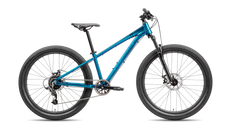
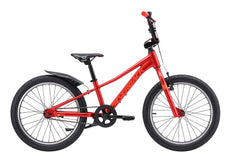
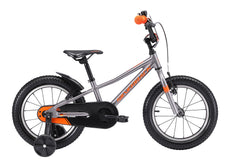
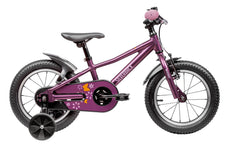
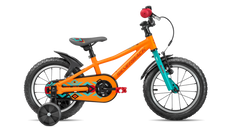
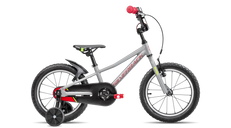
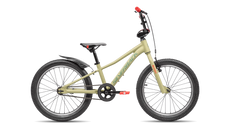




A lightweight kids’ bike can be worth the extra money when it fits well and your child finds it noticeably easier to manage than a comparable alternative. It is not automatically worth paying more for a lower advertised weight. Accessible brakes, a comfortable riding position, suitable equipment and the family budget still matter. Buy the improvement your child can use, not simply the smallest number on a specification sheet.
What are you actually paying extra for?
A higher price may reflect more than reduced weight. Frame design, wheels, tyres, drivetrain, brakes, finishing parts and included equipment can differ. Before calling one bicycle a lightweight upgrade, compare the complete packages and ask which differences matter for your child’s riding.
Do not assume a particular frame material guarantees the lightest complete bicycle. Likewise, a more expensive bike is not automatically easier for every child to handle. Our kids’ bike buying guide helps put the specification in context.
When lower weight may be worth prioritising
Your child struggles with everyday handling
Watch how your child pushes, turns and mounts a correctly sized bike. If a comparable lighter option feels more manageable during a supervised trial, that difference may be valuable. Repeated starts, small manoeuvres and getting moving again are relevant tests, not just how easily an adult can lift it.
The bike will be used frequently
A modest improvement that is useful on regular rides may matter more than a feature rarely used. Consider the routes, practice sessions and family outings you actually expect. Do not justify a larger purchase with imagined riding that does not match your child’s interests.
Adults need to carry it regularly
Stairs, transport and storage can make complete-bike weight relevant to the whole family. This is a legitimate practical benefit, but distinguish your carrying convenience from the child’s riding experience when deciding what premium feels reasonable.
When the extra money may be better spent elsewhere
If the lighter bicycle has poor reach, difficult brake controls or unsuitable sizing, it is not a better match simply because it weighs less. Start with measurements using our child inseam guide and compare the actual fit.
Do not buy an oversized premium model to extend its useful life. Our guide to growing room explains why that can create handling problems today.
Leave room in the budget for appropriate rider equipment, professional setup where needed and ongoing maintenance. A low weight does not compensate for neglected brakes or tyres. Our kids’ bike safety guide covers checks that remain important at every price level.
A practical value comparison
| Situation | Why paying more might help | What to verify first |
|---|---|---|
| Child finds one bike cumbersome | A comparable lighter option may be easier to manage | Fit, setup and a supervised trial |
| Regular riding and frequent stops | Useful handling differences may be experienced often | Controls and intended riding |
| Bike regularly carried upstairs | Lower complete weight can simplify carrying | Ready-to-ride weight with accessories |
| Occasional short rides | The handling benefit may be less important to the purchase | Whether a lower-cost suitable bike already works well |
| Premium model fits poorly | Lower weight alone is not a good reason to choose it | A different size or frame design |
Compare equivalent bikes, not marketing labels
Ask whether quoted weights include pedals and the equipment supplied. Compare similar sizes and intended uses. A small rigid learner bike and a larger suspension-equipped bicycle are not equivalent simply because both are sold for children.
Use a current complete-bike specification or an assembled measurement from the retailer. Shipping weight can include packaging and is not a reliable substitute. If the weight basis is unclear, ask rather than estimating.
Keep the same accessories in the comparison. Do not remove protective parts or necessary equipment merely to improve the result on a scale. Lower weight should be considered within a suitable, complete setup.
Think about total ownership cost
Compare purchase price alongside setup, maintenance and any accessories you will actually need. Ask about serviceability and replacement parts. A bicycle that remains suitable and maintained may serve another child or be sold later, but future resale value is not guaranteed.
A simple question helps: if both bicycles fit, can you identify a practical benefit that justifies the price difference for your family? If not, choosing the less expensive suitable option can be sensible. You do not need to stretch a budget to prove you care about your child’s riding.
Build a fit-based Silverback shortlist
For smaller riders, investigate the Skid 14 (New Gen) and Skid 16 (New Gen). For larger options, compare the Skid 20 (New Gen) and Spyke 20 (New Gen). These links do not imply a verified weight ranking or equal equipment.
Compare a relevant option: investigate the Spyke 24D (New Gen) if its sizing and intended use suit your child. Review current specifications rather than assuming that a product name establishes weight or value.
Test before paying extra: ask a qualified retailer to compare equivalent assembled bikes and help your child check fit, braking and low-speed handling.
Frequently asked questions
Will a lighter bike make my child learn faster?
There is no guaranteed learning timetable. A manageable bike may help the experience, but fit, confidence, practice and coordination all matter.
Is a lightweight bike always less durable?
Not automatically. Durability depends on design, intended use, condition and maintenance, not weight alone. Follow the manufacturer’s use guidance.
Should I use a body-weight percentage rule?
Do not treat a fixed ratio as a universal suitability test. Compare real handling and fit instead.
Is paying more worthwhile if we plan to resell?
Possibly, but do not rely on a guaranteed resale return. Condition, demand and the model will affect the outcome.
Choose useful value over a label: explore the Silverback kids’ bike collection, shortlist suitable sizes and spend extra only where the complete bicycle offers a benefit your family values.