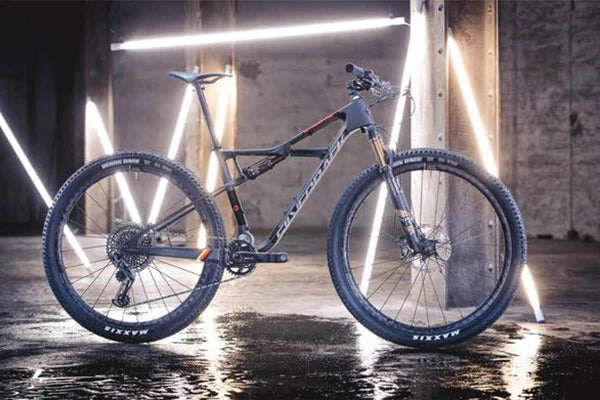
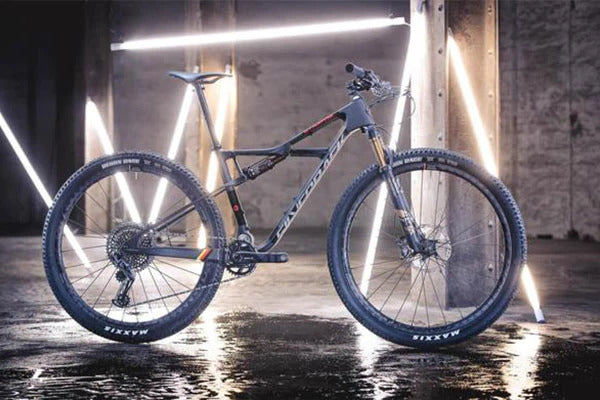
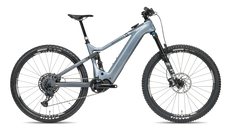
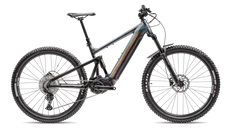
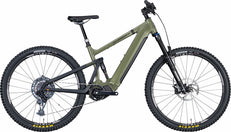
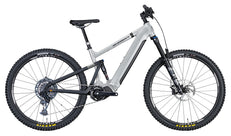
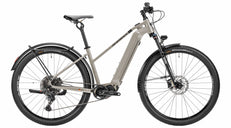
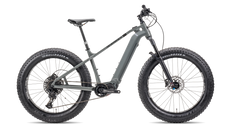
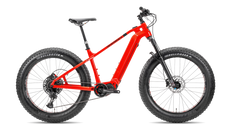
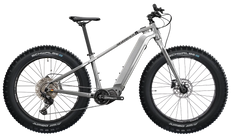
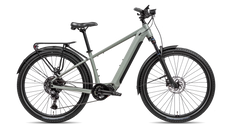
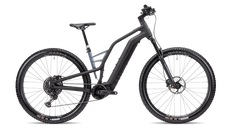
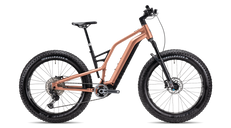
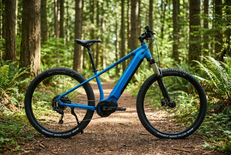
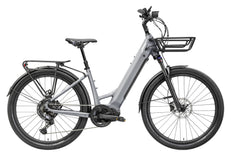
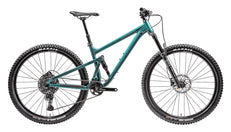
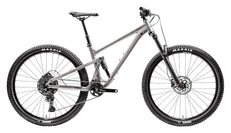
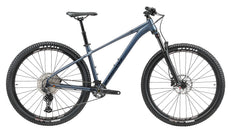
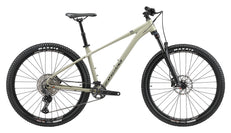
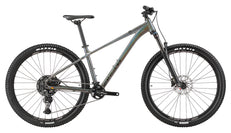
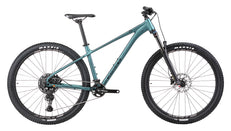
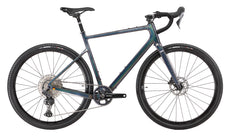
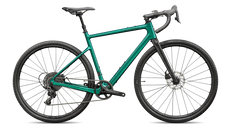
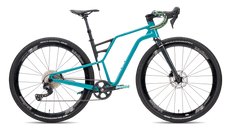
150/145mm Travel
 29" x 2.5" Wheels
 1x12 Speed SRAM AXS
 EP-801 Shimano Motor
 85Nm Torque
 720Wh Battery
 from 20.9kg







In my three decades around bicycles, I have learned that a helmet is not a finishing touch. I see it as essential riding equipment that helps manage impact energy when an unexpected fall changes everything in a second.
On a mountain bike, roots, loose corners, and low branches make this decision even more important. I always choose a helmet that fits my head securely and matches the kind of terrain I genuinely ride.
What Are MTB Helmets?
An MTB helmet is designed for off-road riding, where sudden slips, rocky descents and trail obstacles demand stable coverage and dependable comfort. Many include a visor that helps protect my eyes from sun, rain, mud and branches.
Compared with a basic road-focused shape, MTB helmets often sit lower at the sides and back of the head. Still, I never assume extra coverage makes up for a loose fit or an incorrectly adjusted strap.
What Type of Helmet Is Best for Mountain Biking?
I choose helmet style after being honest about my riding, because a gentle forest route and a steep technical trail ask very different things from my equipment. The best helmet is the one that suits my speed, terrain and confidence level.
-
Open-face trail helmet: I use this for cross-country loops, everyday trail rides and longer off-road adventures.
-
Extended-coverage helmet: I prefer this when the trails become faster, steeper and more technical.
-
Full-face helmet: I consider this for gravity riding, bike parks, jumps and high-speed descents.
Top Things to Know About Mountain Bike Cycle Helmets
Before buying an MTB helmet, I focus on protection, fit and comfort long before I think about colour or appearance. A helmet should feel secure enough to stay put on rough trails without creating pressure points during a long climb.
-
Fit matters most: I start with fit because a helmet only protects properly when it sits level, feels snug and stays steady as I move my head. It should not create painful pressure around my forehead, temples or the back of my head.
-
Measure before choosing: I measure around the widest part of my head, usually just above my eyebrows and ears, before checking a helmet's size range. This gives me a useful starting point, but I still try the fit because head shapes can vary.
-
Coverage should match terrain: When I ride faster, steeper or rockier trails, I look for a helmet with greater coverage around the back and sides of my head. For relaxed cross-country routes, I may prefer a lighter design that still fits securely and comfortably.
-
Ventilation affects every ride: Good airflow helps me stay cooler and more focused during slow climbs, warm weather and long days on the trail. I check that the vents allow air to move through the helmet without compromising its secure and stable fit.
-
A visor is useful on trails: I find a visor helpful when sunlight, rain, mud or overhanging branches make it harder to see the trail clearly. It should sit high enough that I can look ahead comfortably without blocking my natural field of vision.
-
Replace it after a serious impact: I replace a helmet after a meaningful crash because damage inside the protective material is not always visible from the outside. I also inspect the shell, straps and adjustment system regularly for cracks, looseness or signs of heavy wear.
MTB Helmets for Adults
For adult riders, I look for a helmet that balances extended coverage, useful ventilation and a stable adjustment system. The right option should feel secure on descents but comfortable enough that I forget about it during long rides.
I also check whether the helmet works comfortably with my eyewear and whether the straps stay flat against my face. Small fit details become very noticeable after several hours in the saddle.
MTB Helmets for Women
MTB helmets for women should never be selected by colour or category alone, because head shape and fit are more important than any label. I suggest trying several shapes until the helmet feels evenly supported without squeezing the forehead or temples.
For riders with longer hair, I also check how comfortably the rear adjustment system works with a ponytail. A secure helmet should not shift when hair, sweat or uneven terrain enters the equation.
MTB Helmets for Kids
For children, I make fit the first priority because a helmet cannot protect properly if it rocks forward, slides backward, or moves from side to side. The front edge should sit low enough to protect the forehead while leaving clear vision.
I also choose a simple buckle and adjuster that an adult can check quickly before every ride. As children grow, I remeasure their heads regularly instead of relying on an old size out of habit.
Key Safety and Comfort Features To Look in MTB Helmets
Features can improve the experience, but I never let a long feature list distract me from checking fit first. A helmet must meet the applicable bicycle safety standard for the country where I ride and should feel stable before I leave the shop.
-
Secure adjustment dial: This lets me fine-tune the fit around the back of my head.
-
Comfortable straps: I look for straps that meet below the ears and sit flat without rubbing.
-
Protective inner construction: The inner liner should be intact, smooth and free from cracks or dents.
-
Ventilation channels: These help move heat away during climbs and slow technical sections.
-
Adjustable visor: I find this helpful for changing light and muddy trail conditions.
Common FAQs
I hear these questions often from riders choosing their first MTB helmet or replacing an older one. My answers stay simple because safety equipment works best when I understand the basics and use it properly.
How can I clean my MTB helmet?
I clean the shell, straps and padding with lukewarm water, mild soap and a soft cloth. I avoid harsh chemicals, solvents and extreme heat because they can damage the helmet materials. I let the helmet air dry naturally in a shaded place before using it again. I also check the pads and straps for wear while they are clean and easy to inspect.
Can I also ride on normal roads with an MTB helmet?
Yes, I can ride on normal roads with an MTB helmet if it fits correctly and meets the required bicycle safety standard. The visor and extra coverage may simply feel different from a lighter road-focused helmet. For mixed riding that includes paths, roads and trails, an open-face MTB helmet can be a practical choice. I still make comfort and proper adjustment my first priorities.
Can you use a regular helmet for mountain biking?
I can use a regular bicycle helmet for mild off-road paths if it fits well and is approved for cycling. However, it may offer less coverage, less trail-focused ventilation and no visor for changing conditions. When I ride technical trails or fast descents, I prefer a helmet designed for mountain biking. Its shape and coverage are better suited to the hazards I expect there.
How do I know if my MTB helmet fits properly?
I know the fit is right when the helmet sits level and does not move freely when I shake my head. The front edge should sit just above my eyebrows without blocking my vision. After fastening the strap, I should be able to open my mouth comfortably without the helmet lifting too far. Pressure, wobbling or uneven gaps are signs that I need another size or shape.
When should I replace my mountain bike helmet?
I replace my helmet immediately after a serious impact, even when it looks fine on the outside. Internal damage is not always visible, and I do not take chances with protective equipment. I also replace it when the shell, straps, pads or retention system show clear wear. Age, heat exposure and repeated use can all reduce the helmet's reliability over time.
Do I need a full-face helmet for mountain biking?
I do not need a full-face helmet for every mountain bike ride, especially on mellow cross-country trails and relaxed routes. An open-face trail helmet is often more comfortable for climbing and everyday riding. For steep descents, jumps, bike parks or faster gravity riding, I consider full-face protection seriously. I let the trail difficulty and the consequences of a fall guide that decision.
Conclusion
A mountain bike helmet should feel like a natural part of my riding routine, not an item I wear only when a trail looks intimidating. The right fit, useful coverage and reliable adjustment give me more confidence to focus on the ride.
I keep the choice practical by matching the helmet to the terrain I ride most often. I also inspect it regularly, clean it gently and replace it when a crash or visible wear calls its protection into question.
After years of cycling, I still believe this is one of the easiest safety decisions to get right. I measure carefully, fit it properly, and fasten it every time, because the trail can change faster than I expect.