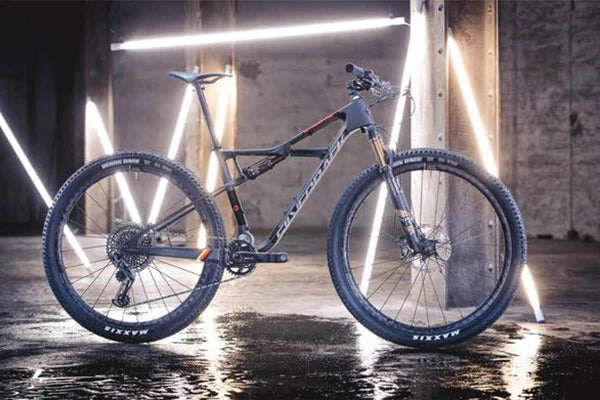
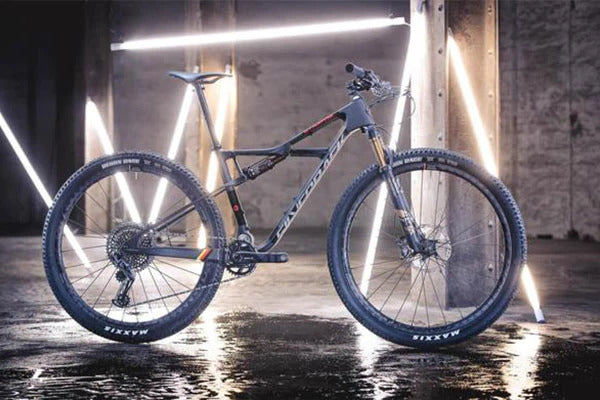
150/145mm Travel
 29" x 2.5" Wheels
 1x12 Speed SRAM AXS
 EP-801 Shimano Motor
 85Nm Torque
 720Wh Battery
 from 20.9kg
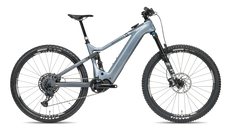
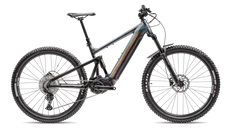
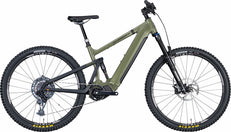
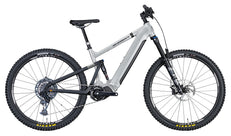
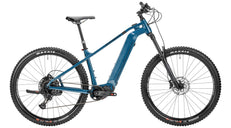
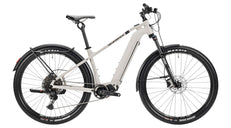
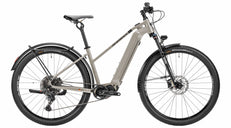
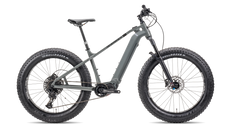
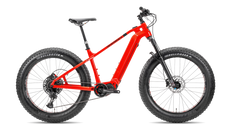

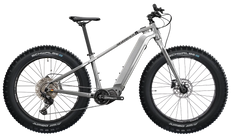

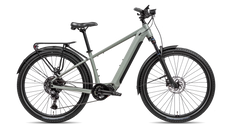
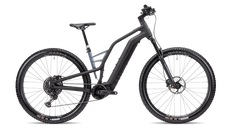
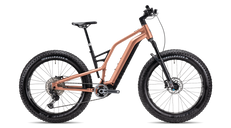
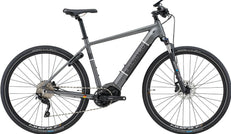
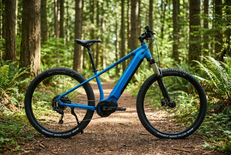
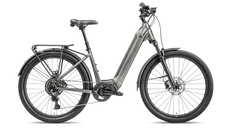
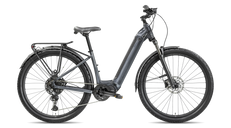
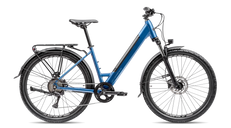
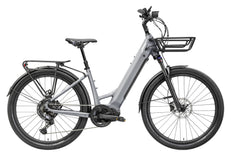
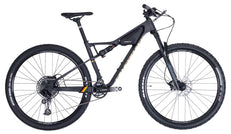
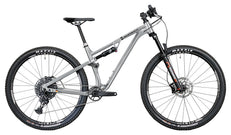
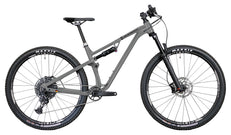
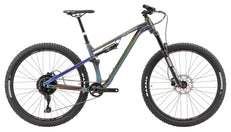
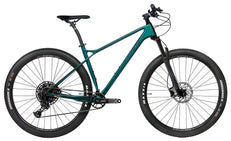
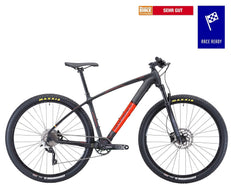
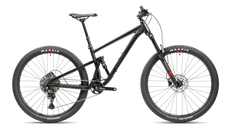
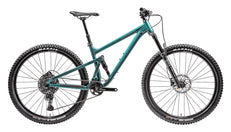
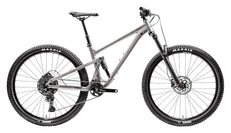
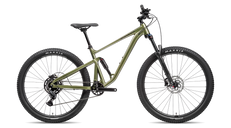
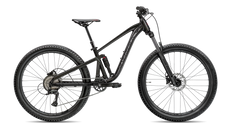
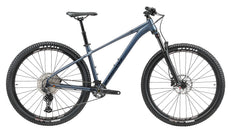
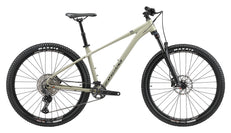
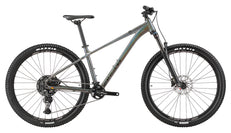
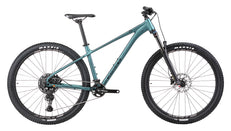
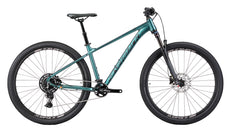
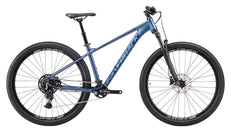
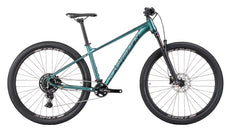
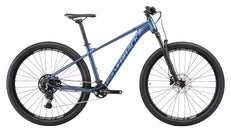

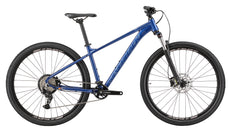
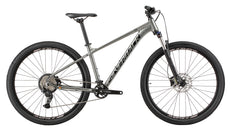
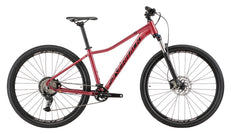
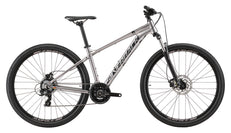
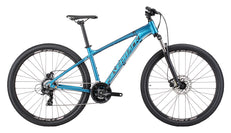
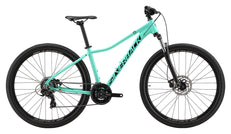
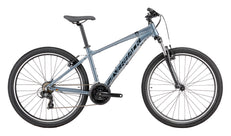
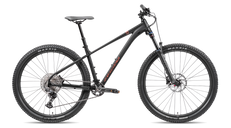
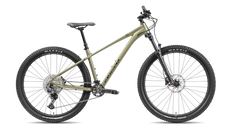
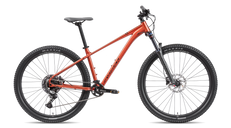
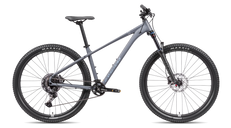
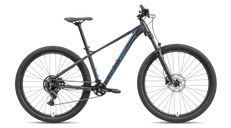
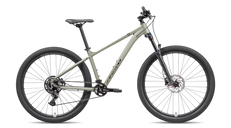
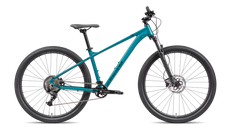
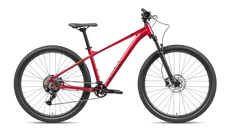
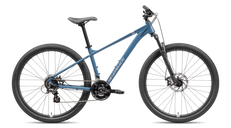
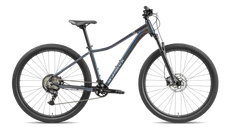
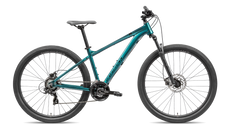
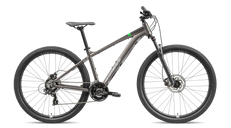
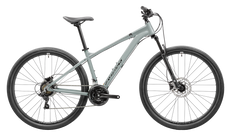
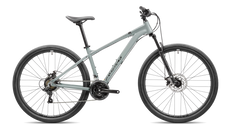
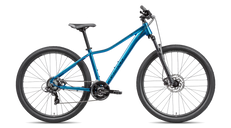
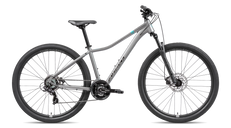
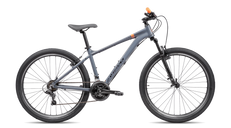
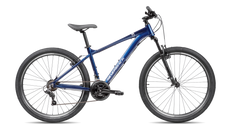
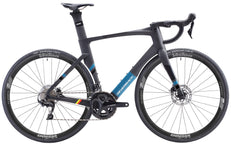
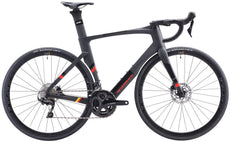
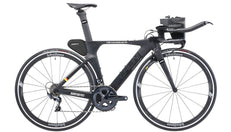
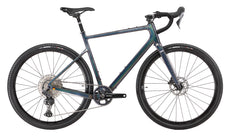
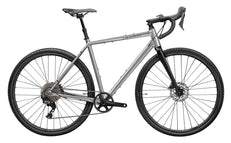
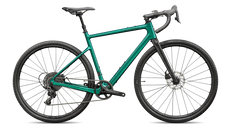
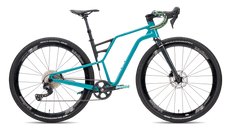
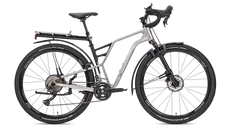
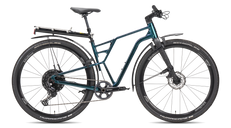
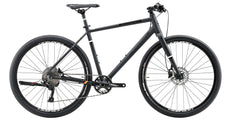
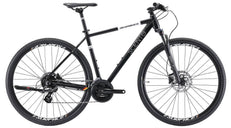
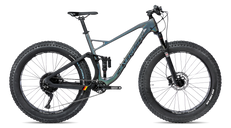
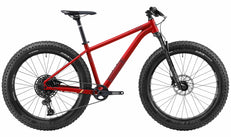
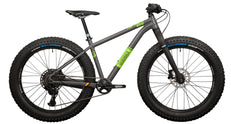
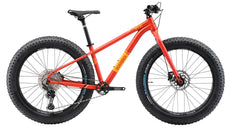
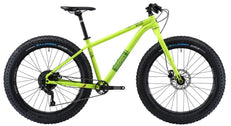
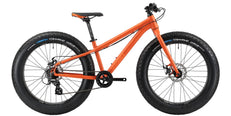
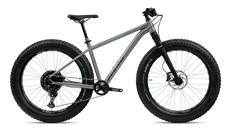
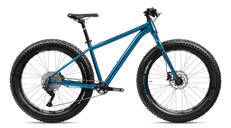
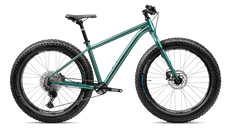
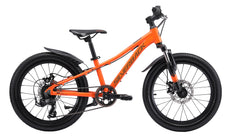
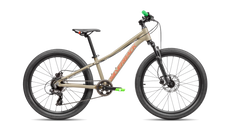
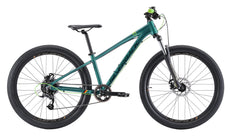
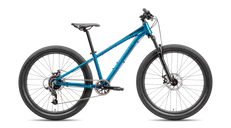
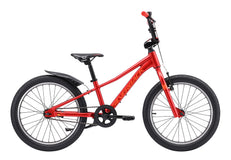



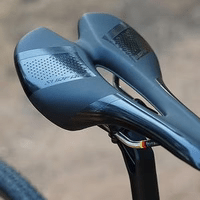
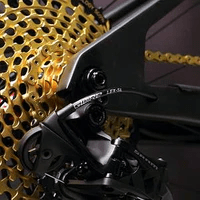
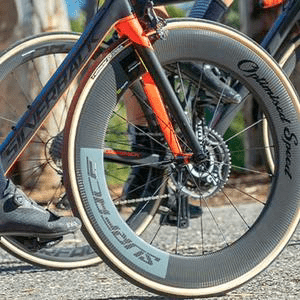


We are proud and grateful to the team at The Tigerhood for their feature on the Silverback SilverRider MTB. The Tigerhood is a respected voice in the cycling and outdoor community, and their coverage of the SilverRider MTB brings the story of this remarkable mountain bike to a passionate and discerning audience. Thank you, The Tigerhood, for taking the time to explore what makes the SilverRider MTB genuinely different.
📰 Read the full article: Silverback SilverRider MTB – The Tigerhood
The SilverRider MTB: Mountain Bike Engineering Reimagined
The SilverRider name is synonymous with one thing: a frame architecture that does what no other production bike frame does. The patent-pending S-Shape Skeletal Structure – the defining innovation of the entire SilverRider range – brings structural compliance to the mountain bike world in a way that changes how riders experience the trail.
On a conventional mountain bike, the seat tube is a rigid conduit. Every rock, root, and trail impact that travels through the rear wheel and frame arrives at the saddle with full force. The SilverRider MTB interrupts that path. The S-shaped seat tube creates a controlled vertical flex zone that absorbs trail impacts before they reach the rider – while the bottom bracket remains torsionally rigid for efficient pedalling power.
Built for the Trail, Engineered for the Rider
Structural Compliance on the Trail
Mountain biking demands more from a frame than any other discipline. The constant, unpredictable impacts of trail riding – roots, rocks, drops, compressions – accumulate over a ride in ways that fatigue the rider and reduce control. The SilverRider MTB’s S-Shape Skeletal Structure addresses this directly: by absorbing vertical trail energy at the seat tube, the frame reduces the physical toll of a long trail ride without adding suspension complexity, weight, or maintenance requirements.
Pedalling Efficiency Preserved
The S-Shape Skeletal Structure is not a flex seatpost or a suspension system. It is a structural redesign of the frame itself. The bottom bracket shell remains fully rigid – meaning every watt of pedalling power goes where it should: into forward motion. The compliance and the efficiency work together, not against each other.
German Engineering, Trail-Proven Design
The SilverRider MTB is the product of Silverback’s German engineering heritage – a tradition of solving problems with precision, purpose, and no unnecessary complexity. The patent-pending S-Shape Skeletal Structure is not a marketing concept. It is a structural solution, developed from first principles, that makes the SilverRider MTB a fundamentally different mountain bike.
The SilverRider MTB: Key Features
The SilverRider MTB is built around the S-Shape Skeletal Structure and delivers a trail riding experience that conventional mountain bike frames simply cannot match:
- Patent-pending S-Shape Skeletal Structure – structural compliance built into the frame, not bolted on
- Torsionally rigid bottom bracket – full pedalling efficiency preserved
- Trail-optimised geometry – confident handling on technical terrain
- German engineering precision – built to perform exactly as intended, every ride
- No added complexity – no moving parts, no elastomers, no maintenance beyond a standard hardtail
The SilverRider Family: One Architecture, Multiple Disciplines
The SilverRider MTB shares its defining innovation – the S-Shape Skeletal Structure – with the entire SilverRider range. Whether you ride trails, gravel, or mixed terrain, the SilverRider platform delivers the same structural compliance advantage across every discipline:
- SilverRider MTB – trail performance with structural compliance, as featured on The Tigerhood
- SilverRider Gravel Pro – race-ready gravel performance with the full S-Shape advantage
- SilverRider Gravel Sport – the versatile all-rounder for gravel events and adventure riding
- SilverRider Gravel Path – accessible adventure riding with structural comfort built in
- SilverRider Fat – fat bike capability with the same innovative frame philosophy
International Press Recognition: The SilverRider Story Grows
The Tigerhood feature joins a growing body of international press coverage that independently validates the SilverRider’s engineering story across multiple disciplines and markets:
- The Tigerhood – Silverback SilverRider MTB Feature
- Transition Vélo (France) – An Atypical Gravel Frame That Bets on Comfort
- 110km.ru (Russia) – New Gravel Series with a Unique S-Shaped Frame
- Todomountainbike (Spain) – Seat Tube Frame Built to Race and Travel
- road.cc (UK) – Wild New German Gravel Bike Could Redefine Gravel Racing
- Autoevolution – Decoupling Systems That Suspend the Rider
- MSN – 2026 SilverRider Buyer’s Guide: STEC System, Pricing and Fit
Seven major international publications. Multiple disciplines. One conclusion: the SilverRider’s S-Shape Skeletal Structure is a genuine innovation that changes how bikes interact with riders – on the trail, on gravel, and everywhere in between.
Explore the SilverRider MTB
Ready to experience the trail differently? Explore the SilverRider MTB and discover what structural compliance feels like on your local trails. Or browse the complete Gravel Bikes – Built for Roads, Trails and Adventure collection to find the SilverRider that fits your riding style.
Frequently Asked Questions: Silverback SilverRider MTB
What makes the Silverback SilverRider MTB different from other mountain bikes?
The SilverRider MTB uses Silverback’s patent-pending S-Shape Skeletal Structure – a structural redesign of the seat tube that creates a vertical compliance zone absorbing trail impacts before they reach the rider. No other production mountain bike uses this approach. The result is a hardtail that rides with significantly less trail fatigue than a conventional rigid frame.
Where was the SilverRider MTB featured?
The Tigerhood, a respected cycling and outdoor media platform, featured the SilverRider MTB. Read the full feature here.
Does the SilverRider MTB have suspension?
The SilverRider MTB achieves its compliance through the S-Shape Skeletal Structure – a structural feature of the frame itself, not a mechanical suspension system. There are no moving parts, no elastomers, and no additional maintenance requirements beyond a standard hardtail mountain bike.
Is the S-Shape Skeletal Structure available on other SilverRider models?
Yes. The S-Shape Skeletal Structure is the defining feature of the entire SilverRider range, including the Gravel Pro, Gravel Sport, Gravel Path, and SilverRider Fat. Every SilverRider model delivers the same structural compliance advantage.
Is the SilverRider MTB suitable for technical trail riding?
Yes. The SilverRider MTB is built with trail-optimised geometry and the S-Shape Skeletal Structure, making it well-suited for technical trail riding. The structural compliance reduces fatigue on demanding terrain, while the rigid bottom bracket ensures efficient power transfer on climbs and flat sections.