


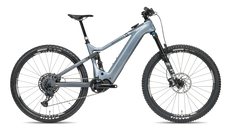
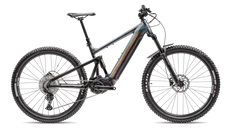
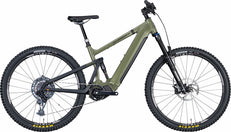
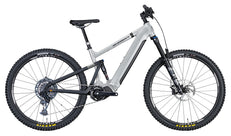
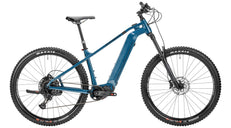
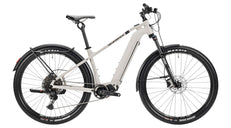
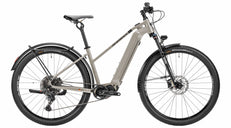
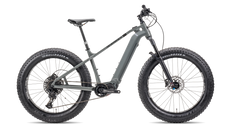
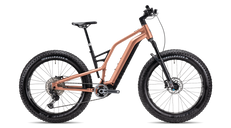
 150/145mm Travel
 29" x 2.5" Wheels
 1x12 Speed SRAM AXS
 EP-801 Shimano Motor
 85Nm Torque
 720Wh Battery
 from 20.9kg
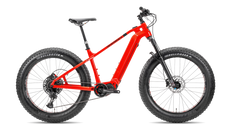

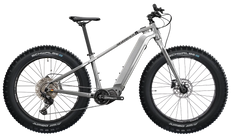

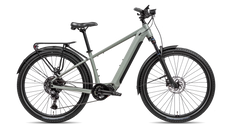
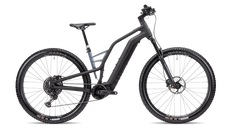
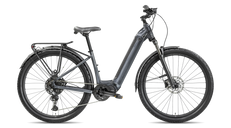
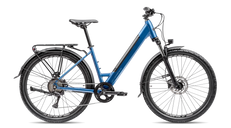
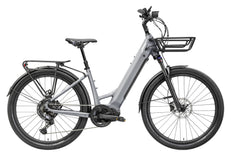
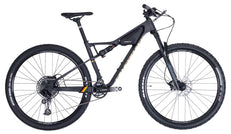

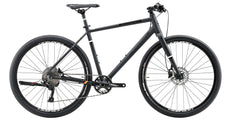
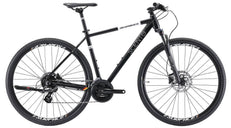
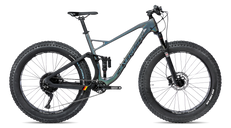
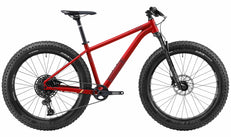



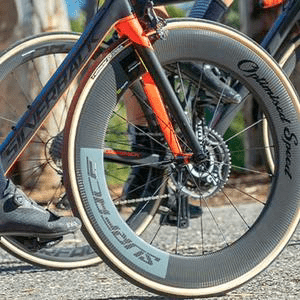


Mountain biking involves rough terrain, steep descents, rocks, and uneven trails. To handle these conditions effectively, suspension plays a crucial role. A good suspension system improves control, comfort, and overall riding performance by absorbing shocks from the trail.
Whether you are new to mountain biking or looking to improve your bike setup, understanding how suspension works and how to adjust it correctly can significantly enhance your riding experience.
Overview of Mountain Bike Suspension
Mountain bike suspension is designed to absorb impacts from bumps, rocks, roots, and uneven surfaces while riding on trails. Without suspension, riders would feel every shock from the terrain, making rides uncomfortable and harder to control.
Most mountain bikes use one of the following suspension setups:
-
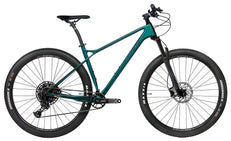
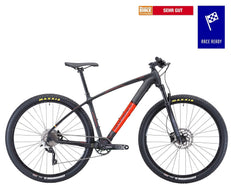
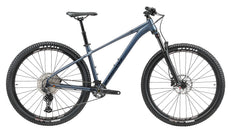
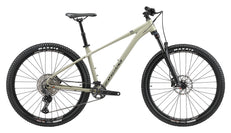
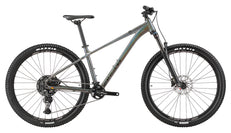
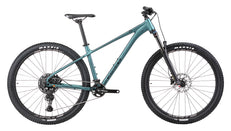
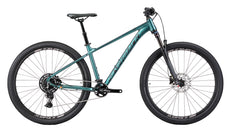
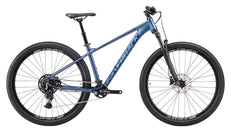
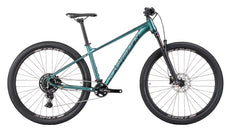
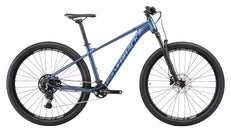
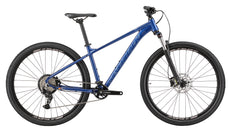
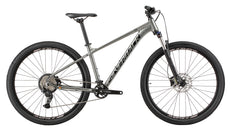
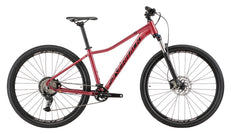
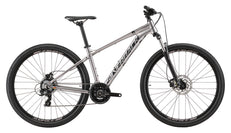
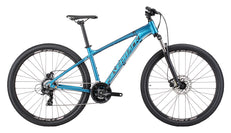
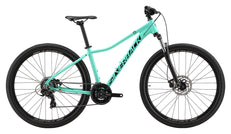
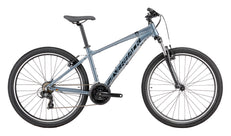
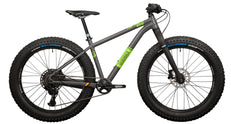
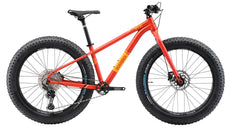
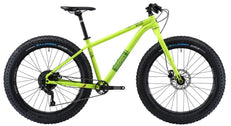
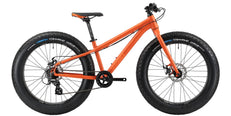
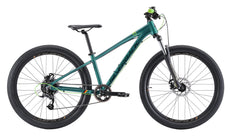
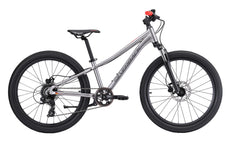
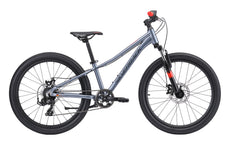
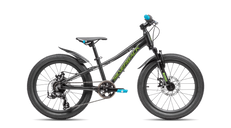
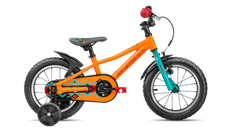
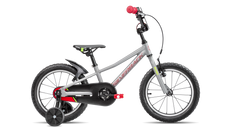
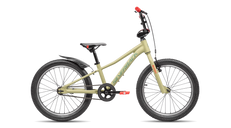
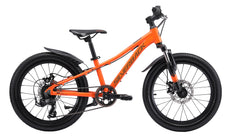
Hardtail bikes such as SE:SERIES, STRIDE, SLADE, STORM, SUPERSPEED: These bikes have suspension only on the front fork. They are lighter, simpler, and often preferred for cross-country riding.
-
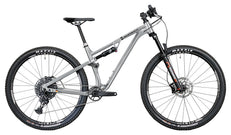
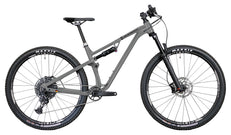
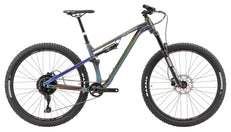
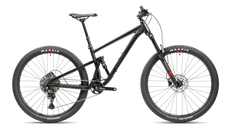
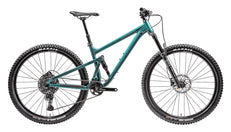
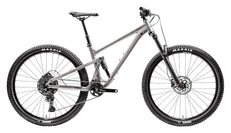
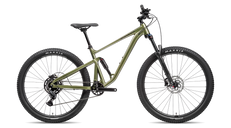
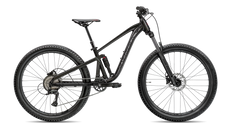
Full suspension bikes such as SE:SERIES Enduro, Silverback CF, Silverback AL, SE:SERIES TRAIL 10, SE:SERIES TRAIL 11, SE:SERIES TRAIL 26 D: These bikes include suspension in both the front fork and rear shock. This design provides better traction, control, and comfort on technical trails.

Featured bike: SE:SERIES ENDURO 11 https://silverbackbikes.de/products/se-series-enduro-11
The main goal of suspension is to keep the tyres in contact with the ground while reducing the impact transferred to the rider. This helps maintain better balance and stability during rides.
How Does Suspension on a Mountain Bike Work?
Suspension systems typically consist of springs and dampers that work together to absorb and control movement caused by rough terrain.
Here is a simplified explanation of how the system functions:
-
Spring mechanism: The spring compresses when the bike hits an obstacle. Springs can be either coil-based or air-based, with air springs being common on modern mountain bikes.
-
Damper system: The damper controls how quickly the suspension compresses and rebounds. This prevents the bike from bouncing excessively after hitting bumps.
-
Travel distance: Suspension travel refers to how far the fork or shock can compress. More travel generally means better performance on rough trails and downhill riding. When a rider moves over rocks, roots, or drops, the suspension compresses and rebounds in a controlled way. This helps maintain traction and prevents harsh impacts from reaching the rider.
Key Tips to Setup MTB Suspension
Setting up suspension correctly can make a huge difference in how your mountain bike (MTB) performs on the trail. A well-adjusted system improves comfort, grip, and control.
Here are some important setup tips:
-
Set the correct sag: Sag is the amount the suspension compresses when the rider sits on the bike. Typically, riders aim for around 20–30% sag depending on the riding style.
-
Adjust rebound properly: Rebound controls how quickly the suspension returns after compression. If the rebound is too fast, the bike may feel unstable. If it is too slow, the suspension may feel sluggish.
-
Match suspension to your weight: Air pressure or spring tension should match the rider’s body weight and gear.
-
Tune compression settings: Some MTBs allow riders to adjust compression settings for climbing, descending, or rough trails.
-
Test and fine-tune on trails: Suspension setup is not always perfect on the first attempt. Small adjustments during real trail rides help find the ideal settings.
Common Mistakes to Avoid for Setting Up MTB Suspension
Many riders overlook suspension setup, which can lead to poor bike performance and discomfort on the trail.
Here are some common mistakes to avoid:
-
Ignoring sag adjustment: Incorrect sag can make the bike feel too stiff or too soft.
-
Setting the rebound too fast: This can cause the bike to bounce uncontrollably after hitting bumps.
-
Running too much air pressure: Excessive pressure reduces suspension sensitivity and comfort.
-
Not servicing suspension regularly: Suspension components require periodic maintenance to perform properly.
-
Copying someone else's settings: Every rider has a different weight, riding style, and terrain preference. Suspension should be tuned individually.
Avoiding these mistakes helps ensure smoother rides and better bike handling.
FAQs
What is the best full suspension mountain bike?
The best full suspension mountain bike depends on your riding style and terrain. Trail riders often prefer balanced bikes with moderate suspension travel, while downhill riders typically choose models with longer travel and stronger frames. When selecting a bike, consider factors like frame geometry, suspension quality, and overall durability.
How to adjust mountain bike suspension?
Adjusting suspension typically involves setting sag, rebound speed, and compression levels. Riders usually begin by setting the correct sag based on their weight, then fine-tune rebound and compression settings during test rides on different trails.
What is preload suspension on a mountain bike?
Preload refers to the amount of tension applied to the suspension spring before it compresses. Adjusting preload changes how easily the suspension begins to move and can help accommodate different rider weights.
Do I need a full suspension mountain bike?
A full suspension bike is ideal for riders who frequently ride rough trails, rocky terrain, or downhill routes. However, riders who mainly ride smoother cross-country trails may find that a hardtail bike is lighter, more efficient, and easier to maintain.
How to adjust the front suspension on a mountain bike?
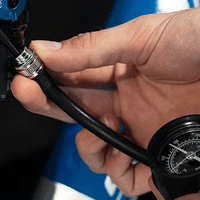
Front suspension adjustment usually involves setting air pressure, sag, and rebound on the fork. Riders can use a suspension pump to fine-tune air pressure and then adjust rebound controls to ensure the fork returns smoothly after compression.
How often should you service your mountain bike suspension?
Basic maintenance, such as cleaning and lubrication, should be done regularly. Most manufacturers recommend a minor service every 50 hours of riding and a full suspension service approximately every 100–200 hours, depending on riding conditions.
Should I buy a full suspension mountain bike?
If you frequently ride technical trails, steep descents, or rocky terrain, a full suspension bike can significantly improve comfort and control. However, riders focused on lightweight performance or smoother trails may prefer a hardtail option.
Conclusion
Mountain bike suspension plays a critical role in improving comfort, traction, and control while riding on challenging terrain. Understanding how the system works and learning how to adjust it properly allows riders to get the best performance from their bikes.
By setting the correct sag, adjusting rebound, and avoiding common setup mistakes, riders can enjoy smoother rides and better handling on the trail. Proper suspension setup not only enhances performance but also makes mountain biking safer and more enjoyable.









Be the first to comment