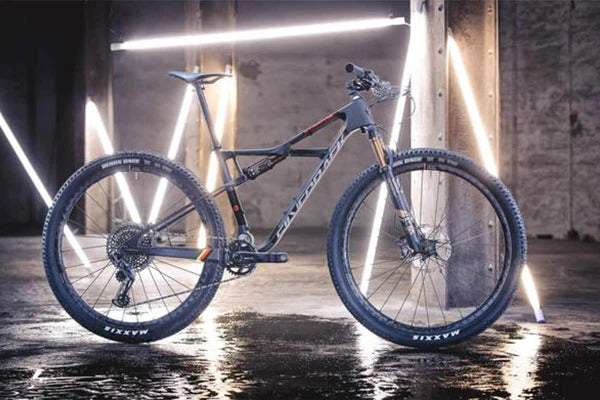
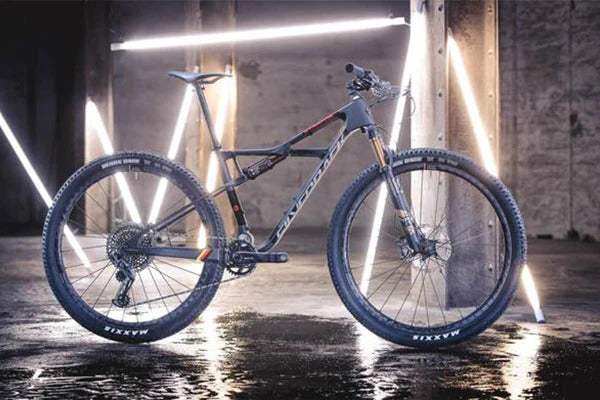
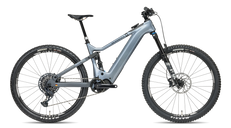
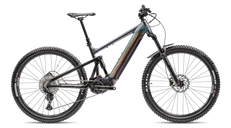
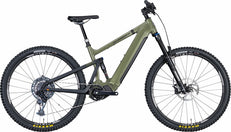
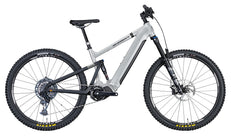
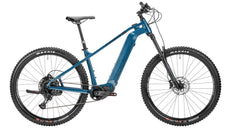
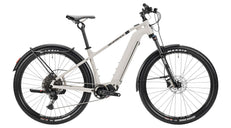
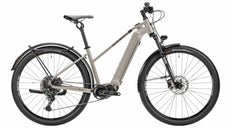
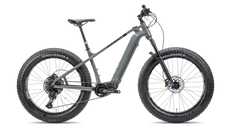
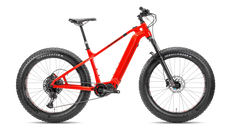
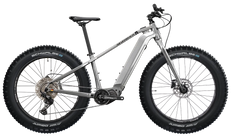
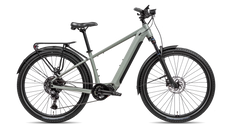
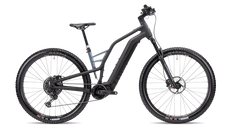
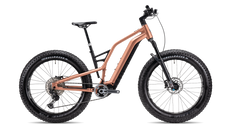
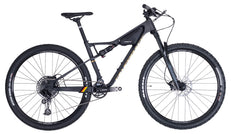
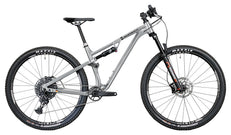
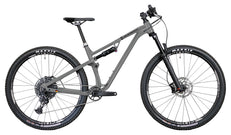
150/145mm Travel
 29" x 2.5" Wheels
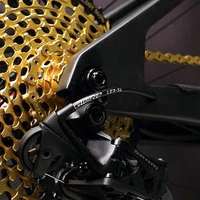
 1x12 Speed SRAM AXS
 EP-801 Shimano Motor
 85Nm Torque
 720Wh Battery
 from 20.9kg


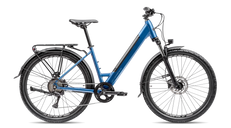
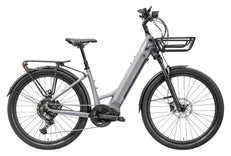
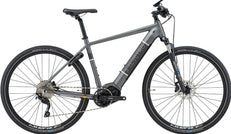
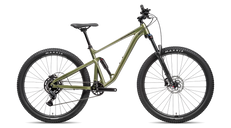
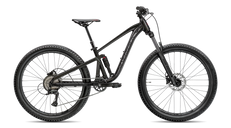
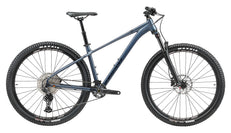
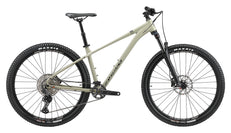
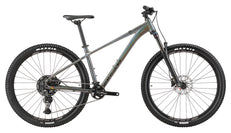
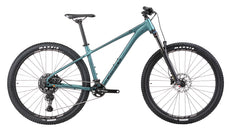
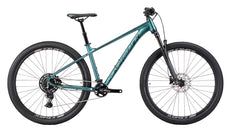
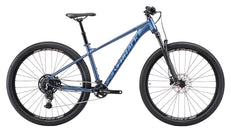
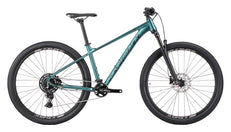
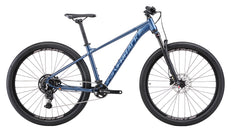
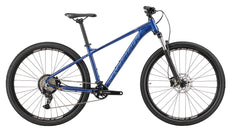
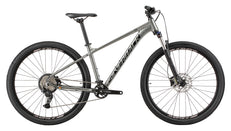
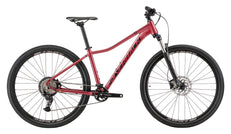
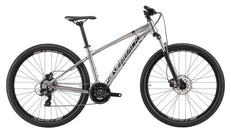
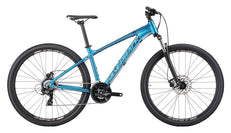
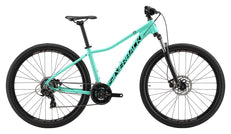
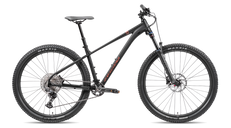
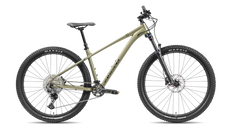
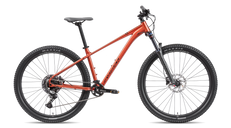
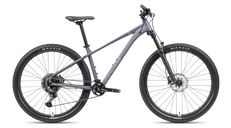
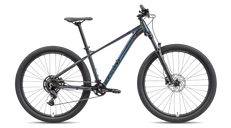
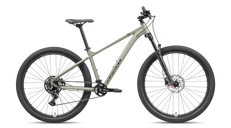
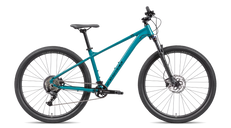
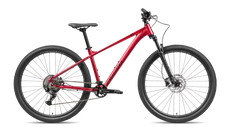
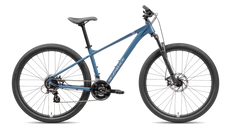
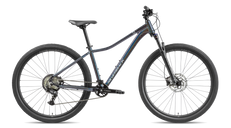
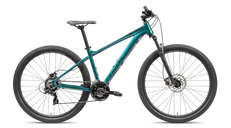
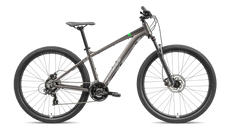
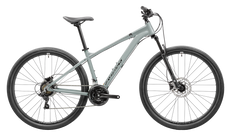
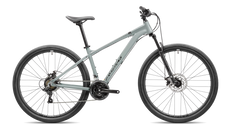
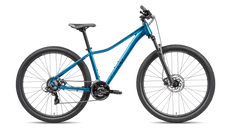
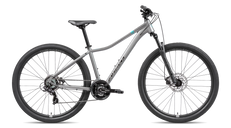
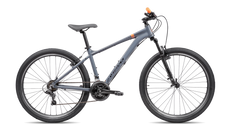
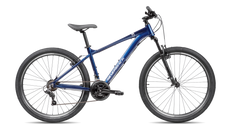
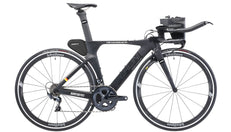
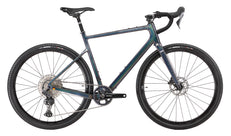
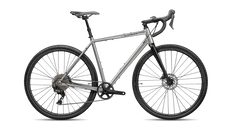
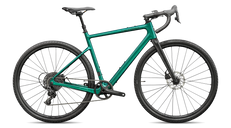
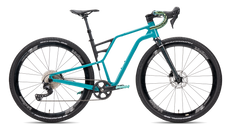
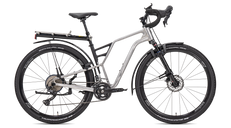
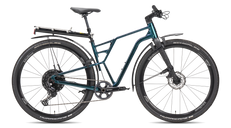
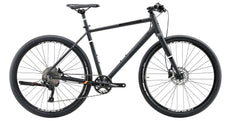
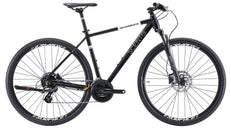
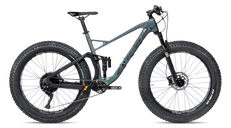
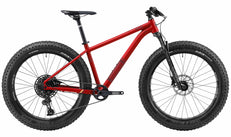
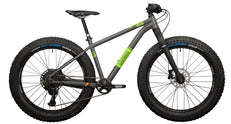
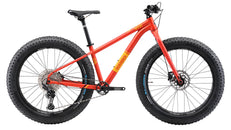
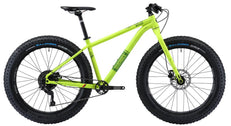
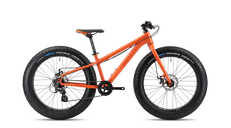
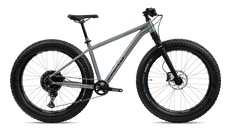
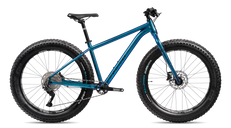
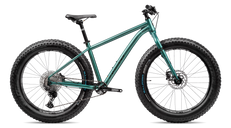
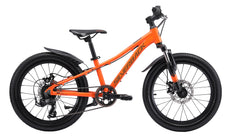
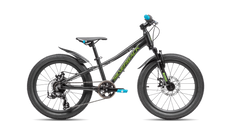
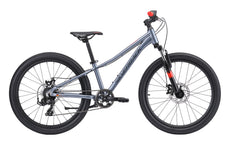
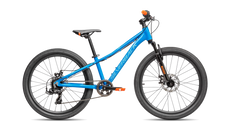
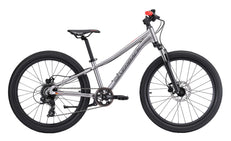
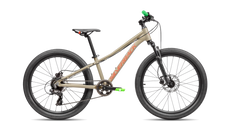
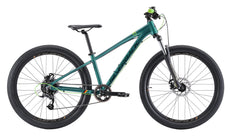
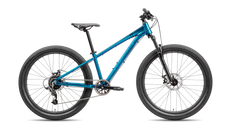
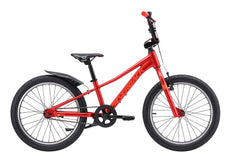
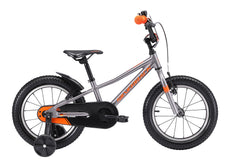
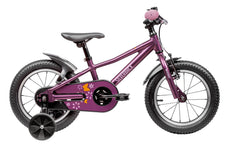
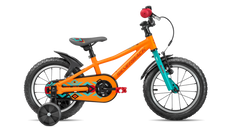
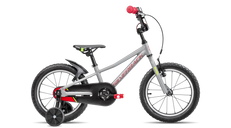
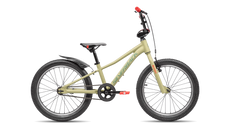




The right kids’ bike size is the one your child can control today. Wheel diameter helps you shortlist bikes, but it does not tell you whether the saddle, frame and handlebars fit. Measure height and inseam, check the exact model’s dimensions, and watch your child start, steer and stop before deciding.
This guide explains how to compare 12-, 14-, 16-, 20-, 24- and 26-inch bikes without treating an age chart as a guarantee. Start by exploring Silverback kids’ bikes, then narrow the choice using the practical checks below.
What do kids’ bike sizes actually mean?
For most children’s bikes, the number refers to wheel diameter, not frame size. Two bikes with the same wheels can have different minimum saddle heights, handlebar reach and standover clearance. A confident rider may feel comfortable on one 20-inch bike and stretched on another.
Age is useful for browsing, but children of the same age can have different leg lengths, coordination and experience. Avoid choosing from a birthday alone. Treat the manufacturer’s age guidance as a starting point, then check the child against the actual bicycle.
Compare wheel sizes before you buy
| Wheel size | What to investigate | Most important fit check |
|---|---|---|
| 12 inches | Whether the model is a balance or pedal bike | Comfortable ground contact and easy handling |
| 14 inches | Small pedal-bike fit and control reach | Starting and stopping without assistance |
| 16 inches | First-pedal or early independent riding | Minimum saddle height and brake operation |
| 20 inches | Simple everyday or geared off-road designs | Reach, gearing needs and manageable weight |
| 24 inches | Longer rides and growing riding skills | Frame clearance and confident steering |
| 26 inches | Youth-bike geometry, not just larger wheels | Overall cockpit fit and independent control |
This table is a comparison framework, not a universal sizing prescription. If your child is between two larger options, our 20-inch versus 24-inch fit guide explores that decision in more detail.
Measure your child before comparing models
Measure height and inseam separately
Measure height against a wall with your child standing upright. For inseam, have them stand barefoot with feet slightly apart, gently position a book between their legs to represent saddle contact, and measure from the floor to the top edge. Repeat the measurement rather than relying on a hurried first attempt.
Compare these measurements with the exact model’s sizing information. Inseam is particularly useful when checking ground contact and frame clearance, but it cannot tell you whether the handlebars are too far away. Do not apply one fixed inseam formula to every children’s bicycle.
Check the complete riding position
With usual riding shoes on, your child should hold the grips comfortably, steer without stretching and operate the brakes. A beginner needs reassuring ground contact while learning; an experienced rider’s pedalling position may be higher. Ask a qualified bike shop to help if the two requirements are difficult to balance.
Which Silverback models should you compare?
For smaller pedal-bike candidates, compare the Skid 14 (New Gen) and Skid 16 (New Gen). Their product descriptions identify low-standover designs and chainguards, but neither feature replaces checking the individual child’s reach and saddle position.
For a child who fits a 20-inch bike, the Skid 20 (New Gen) offers a single-speed drivetrain, rigid fork, front V-brake and rear coaster brake. The Spyke 20 (New Gen) instead lists a suspension fork, cable disc brakes and Shimano 7-speed drivetrain. Choose between them according to riding needs as well as fit.
For taller, more experienced children, compare the Spyke 24D (New Gen) with the Spyke 26 7spd (New Gen). Do not assume that moving to larger wheels automatically produces a better riding position.
Should you size up for growing room?
Only if the larger bike already passes every control check. A child who cannot comfortably reach the brakes, turn tightly or stop independently should not have to grow into those abilities. Reasonable adjustment room is useful; an oversized cockpit is not.
Before buying, complete a short supervised test in a level, traffic-free space. Watch the child get on, start, turn both ways, brake and get off. Use our kids’ bike safety checklist before that first ride. Pause the purchase if repeated wobbling or reluctance suggests the bike feels intimidating.
Frequently asked questions
Can two children of the same age need different sizes?
Yes. Height, inseam, reach and riding experience vary. Compare each child with the bike rather than copying another family’s purchase.
Does a 26-inch wheel mean an adult bike will fit?
No. Wheel size does not define frame proportions. Check youth and adult geometry separately.
Should my child’s feet be flat on the ground?
A learner needs secure ground contact, but saddle position also depends on riding experience and pedalling needs. Assess both with the actual bike.
What if the measurements suggest two sizes?
Test both. Prefer the option your child controls comfortably now, not the one expected to last longest on paper.
Choose fit first, then choose features
Ready to shortlist? Use the complete Silverback parent’s buying guide to compare your best-fitting options. Choose the bike that supports confident riding today, with useful adjustment room for tomorrow.