


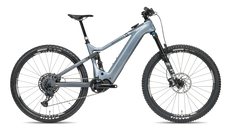
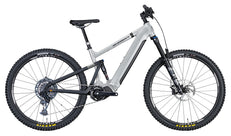
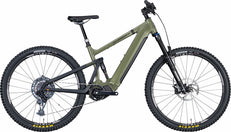
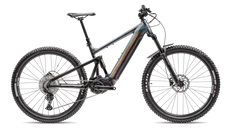
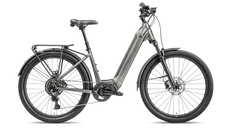
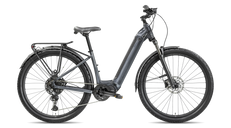
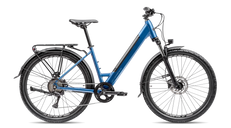
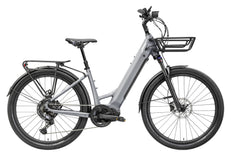
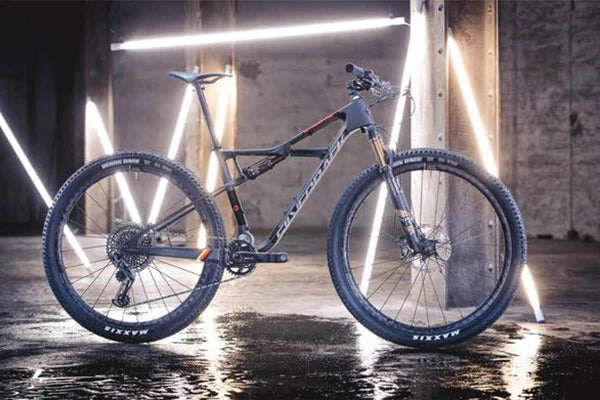
 150/145mm Travel
 29" x 2.5" Wheels
 1x12 Speed SRAM AXS
 EP-801 Shimano Motor
 85Nm Torque
 720Wh Battery
 from 20.9kg


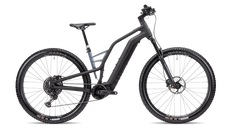
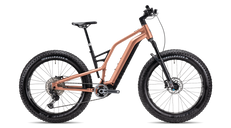
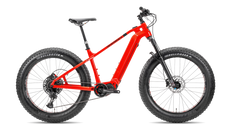

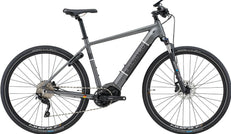


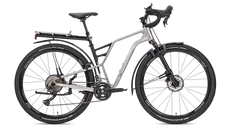
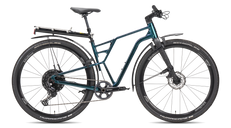

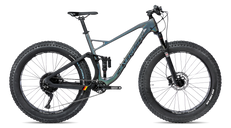
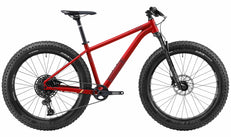
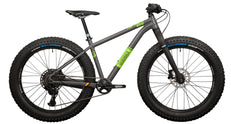
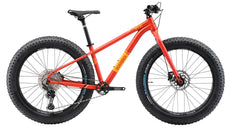
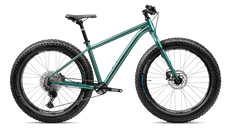
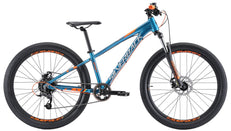
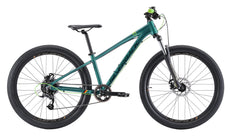
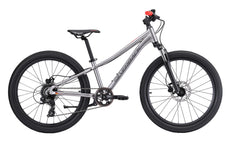








Are Fat Bikes Good on Sand?
If you've ever tried riding a regular bike on a sandy beach or desert trail, you'll know the frustration: wheels sink, steering becomes unpredictable, and forward progress grinds to a halt. Fat bikes change all of that. With their oversized, low-pressure tires, fat bikes are uniquely engineered to float over soft surfaces that defeat every other type of bicycle. But just how good are fat bikes on sand — and what do you need to know before heading to the beach?
Why Fat Bikes Work So Well on Sand
The secret is simple physics. A standard mountain bike tire runs at 30–50 PSI and has a narrow contact patch with the ground. On soft sand, this creates high ground pressure, causing the tire to dig in and sink. A fat bike tire, run at just 5–10 PSI, spreads the rider's weight across a much larger surface area — effectively floating on top of the sand rather than ploughing through it.
This is the same principle that allows snowshoes to walk on snow, or a wide-hulled boat to stay afloat. The VEE Bulldozer Fat 4.7" Tyre is a prime example of a tire designed for exactly this kind of low-pressure, high-float performance across multiple surfaces including sand.
What Type of Sand Can You Ride On?
Wet, Packed Sand
This is the easiest and most enjoyable surface for fat bike riding. Wet, compacted sand near the waterline offers excellent traction and low rolling resistance. You can ride at speed with minimal effort, and the bike handles predictably. This is where fat bikes truly shine and where most beach riders spend the majority of their time.
Dry, Loose Sand
Dry, loose sand is more challenging but still very rideable on a fat bike — especially with the right tire pressure. Dropping your pressure to 5–8 PSI maximises your float and makes loose sand manageable. Momentum is your friend here: keep pedalling and maintain speed to avoid sinking. An electric fat bike has a real advantage on loose sand, as the motor helps you maintain momentum through the softest sections without exhausting yourself.
Deep, Soft Sand Dunes
Deep dune sand is the most demanding surface. Even fat bikes require skill and fitness to navigate steep dunes. Running the lowest possible tire pressure and choosing a line that avoids the deepest soft sections makes a significant difference. For dune riding, the Wren Inverted Fat Bike Suspension Fork adds valuable front-end control on unpredictable terrain.
Optimal Tire Pressure for Sand Riding
Tire pressure is the single most important variable for sand performance. As a starting point:
- Wet packed sand: 8–12 PSI
- Dry loose sand: 5–8 PSI
- Deep soft sand / dunes: 4–6 PSI
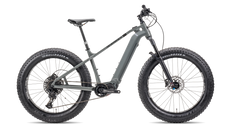
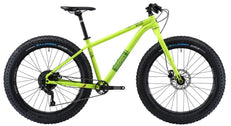
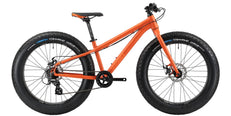
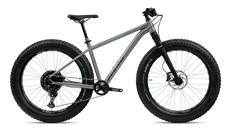
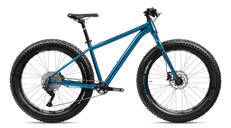
Always carry a pump and pressure gauge so you can adjust on the fly. The Silverback fat bike range is designed to run comfortably at these ultra-low pressures without risking pinch flats, thanks to wide rim profiles that support the tire casing at low inflation.
Best Fat Bike Tires for Sand
Not all fat bike tires perform equally on sand. For beach and desert riding, you want a tire with a relatively open, widely-spaced tread pattern that sheds sand efficiently and doesn't pack up. The VEE Bulldozer Fat 4.7" is an excellent all-round choice, while the Schwalbe Jumbo Jim 4.80" Fatbike Tyre is popular for riders who prioritise low rolling resistance on mixed terrain including sand.
Electric vs Non-Electric Fat Bikes on Sand
Both electric and non-electric fat bikes handle sand well, but there are meaningful differences. On loose, energy-sapping sand, an electric fat bike allows you to maintain momentum with far less physical effort. The Silverback fat e-bike crankset and Surface Fat Bike crank arms for EP8 are purpose-built for the high-torque demands of electric fat bike riding in demanding conditions like sand.
Tips for Riding Fat Bikes on Sand
1. Lower Your Tire Pressure Before You Start
Don't wait until you're struggling — drop your pressure at the trailhead before you hit the sand. Carry a small pump to re-inflate when you return to harder surfaces.
2. Maintain Momentum
Sand riding rewards smooth, consistent pedalling. Avoid sudden stops or sharp turns in soft sections. Keep your weight centred and your cadence steady.
3. Choose Your Line
Read the sand ahead of you. Wet, darker sand near the water is almost always firmer than dry sand further up the beach.
4. Protect Your Drivetrain
Sand is abrasive and gets into everything. After every beach ride, rinse your drivetrain thoroughly and re-lubricate your chain. Fitting fat bike fenders significantly reduces the amount of sand thrown onto your components.
5. Consider a Suspension Fork
On rough, corrugated sand or rocky beach approaches, the Wren Inverted Fat Bike Suspension Fork with 110mm travel is a popular upgrade for riders who tackle varied terrain.
Fat Bikes vs Other Bikes on Sand: The Verdict
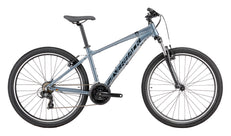
No other type of bicycle comes close to a fat bike's sand performance. Road bikes and gravel bikes are essentially unrideable on soft sand. Mountain bikes can manage packed sand but struggle badly in loose conditions. Fat bikes are the only bicycle type genuinely designed for soft-surface riding. Explore the full Silverback fat bike collection to find the right model for your sandy adventures.
Conclusion
Fat bikes are not just good on sand — they're exceptional. With the right tire pressure, the right tires, and a few technique adjustments, a fat bike transforms sandy terrain from an obstacle into a playground. Ready to hit the beach? Read our guide on why fat bikes are worth choosing or browse the Silverback fat bike range to find your perfect sand machine.







Seien Sie der Erste, der einen Kommentar abgibt