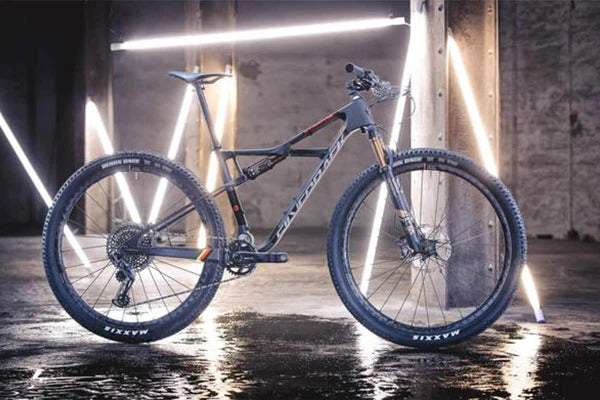
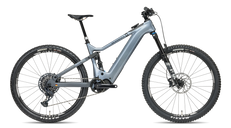
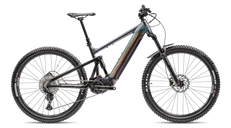
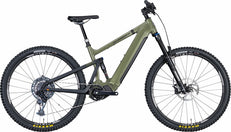
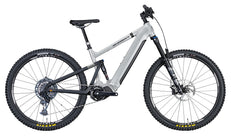
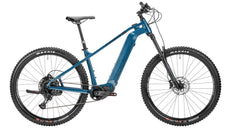
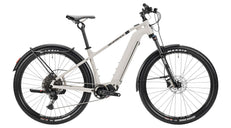
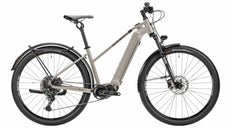
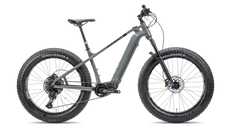
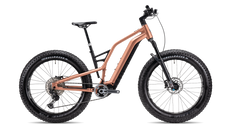
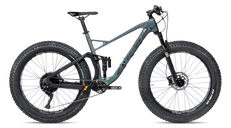
150/145mm Travel
 29" x 2.5" Wheels
 1x12 Speed SRAM AXS
 EP-801 Shimano Motor
 85Nm Torque
 720Wh Battery
 from 20.9kg
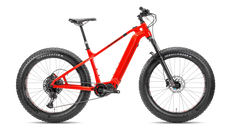

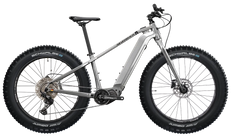

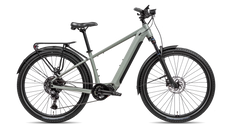
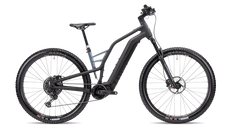
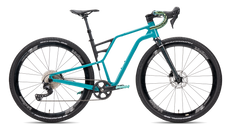
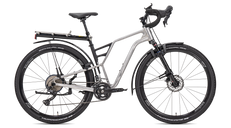
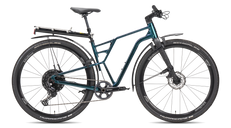
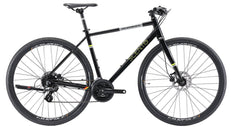
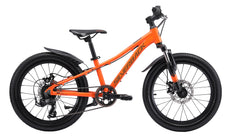
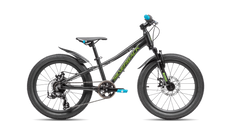
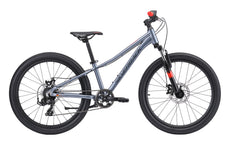
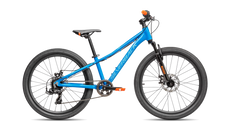
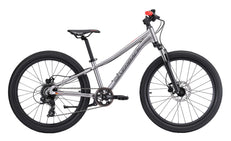
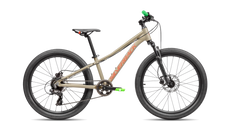
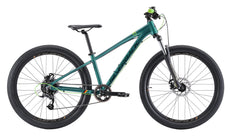
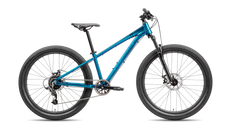
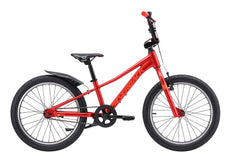
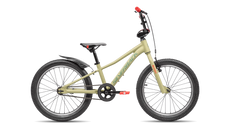
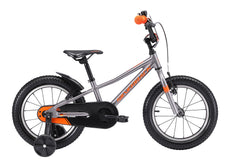
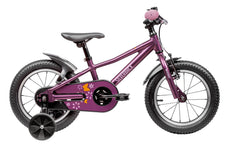
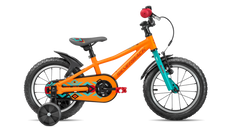
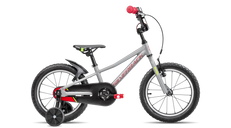
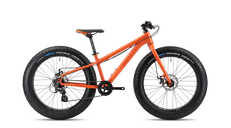
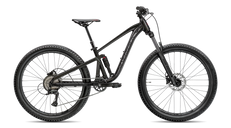




A lightweight children’s bicycle is easiest to control when its overall weight, dimensions and controls match the rider. There is no single model that is best for every child. Start with a bike they can hold upright, steer comfortably and stop reliably, rather than choosing by frame material or advertised age alone.
For smoother, flatter practice routes, a simple rigid-fork bike is a sensible starting point. A confident child riding hills or uneven paths may benefit from gears and suspension, but extra equipment should solve a real need. Explore Silverback children’s bikes with those priorities in mind.
What does lightweight really mean for a children’s bike?
The useful number is complete-bike weight, not just frame weight. Fork, wheels, tyres, drivetrain and accessories all contribute to the bicycle your child actually handles. Published weights are only comparable when they describe equivalent setups, including whether pedals and accessories are fitted.
Do not judge weight from aluminium alone
An aluminium frame can be part of a manageable bike, but the material label does not establish its finished weight. A suspension-equipped aluminium bike and a rigid-fork bike may have different priorities. This guide does not assign kilogram figures or name a lightest model because comparable verified complete-bike weights are not available here.
Before buying, request the weight of the exact size and configuration. Then consider what your child can comfortably manage. If you are also deciding on wheel size, read what makes a good 20-inch bike for a six-year-old.
Four practical tests for easy control
1. Check reach and a secure stopping position
Have the child sit naturally rather than stretching forward. Their shoulders should look relaxed, with enough freedom to turn the handlebars. They need a reassuring way to put their feet down when stopping. Compare inside-leg measurements with the exact model’s sizing information; wheel diameter does not describe every aspect of fit.
2. Test the brakes with small hands
Check whether the child can operate the fitted brakes comfortably and repeatedly. Reaching a hand lever is not enough if pulling it requires an awkward grip. Coaster brakes work differently, using back-pedalling, and also require deliberate practice. The correct choice depends on the child’s familiarity and the actual brake setup.
3. Walk and turn the bicycle
With an adult supervising, ask the child to walk the bike, turn it in a small space and hold it upright. Struggling during these simple tasks is worth investigating before a riding test. Do not dismiss difficulty as something they must simply grow into.
4. Start and stop at walking speed
Use a clear, level area away from traffic. Watch whether the child can start without an awkward push, follow a gentle curve and stop where intended. If confidence disappears when speed drops, revisit fit, saddle setup and control familiarity before planning a longer ride.
Silverback Skid 20 versus Spyke 20: compare the equipment
The following comparison refers specifically to the Gen4 product descriptions. It is not a weight ranking, and it should not be applied automatically to other generations.
| Buying consideration | Skid 20 (Gen4) | Spyke 20 (Gen4) |
|---|---|---|
| Fork | Rigid fork | Suspension fork |
| Drivetrain | Single-speed | Shimano 7-speed |
| Braking system | Front V-brake and rear coaster brake | Cable disc brakes |
| Control task | No gear selection to learn | Gear selection adds another skill |
| What to assess first | Fit and braking familiarity for simpler riding | Fit, shifting confidence and actual terrain needs |
The Skid 20 (Gen4) offers a straightforward configuration for parents prioritising fewer controls. The Spyke 20 (Gen4) offers a different equipment package for children ready to use gears and explore suitable uneven routes.
Choose features for your routes, not the longest specification list
For short outings on flatter paths, simplicity can be valuable. A rider learning to coordinate balance and braking may not need shifting immediately. On rolling routes, gears can help a competent rider adjust pedalling effort, provided they can use the shifter confidently.
Suspension deserves the same practical approach. It is not essential for every outing, and the complete bike still needs to be manageable. Compare actual handling rather than assuming a suspension fork makes every bike easier.
Want a simple starting point? Check the Skid 20 Gen4 equipment and sizing, then test whether its braking arrangement suits your child. For a rider already comfortable with the basics, review the Spyke 20 Gen4 against your family’s routes.
Buying advice that prevents an expensive mismatch
Set aside colour and accessories until the fit and controls pass. Ask about assembly, brake adjustment and the exact specification being supplied. Have a qualified mechanic check the bicycle before first use, and follow the manufacturer’s setup guidance.
Avoid buying a larger frame just to extend ownership. Growth room is useful only while the bike remains controllable today. The Silverback parent guide to kids’ bikes by age offers wider context, while the kids’ collection lets you compare current options.
Frequently asked questions
Which children’s bicycle is easiest to control?
One with suitable dimensions, manageable complete-bike weight and brakes the child can use confidently. For a new rider, a simpler configuration may be preferable to extra features.
Is the lightest bicycle always the best?
No. Low weight cannot compensate for excessive reach, inaccessible brakes or unsuitable sizing. Compare weight after basic fit and control requirements are satisfied.
Does a beginner need suspension?
Not automatically. A rigid fork can suit smoother practice routes. Consider suspension for an actual terrain need, and assess the whole bicycle rather than the fork in isolation.
How should I compare two advertised weights?
Confirm the size, equipment and whether pedals or accessories are included. If the measurement basis differs, ask the retailer for a comparable complete-bike figure.
Find a bike your child can manage today
Prioritise fit, easy braking and predictable handling, then choose the equipment your child will genuinely use. Compare Silverback kids’ bikes and build your shortlist around confident riding rather than a frame-material claim alone.