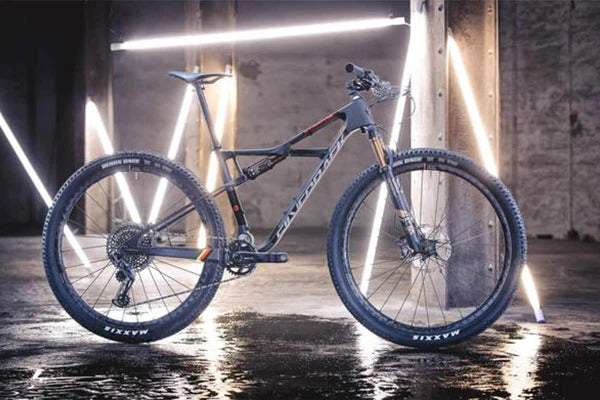
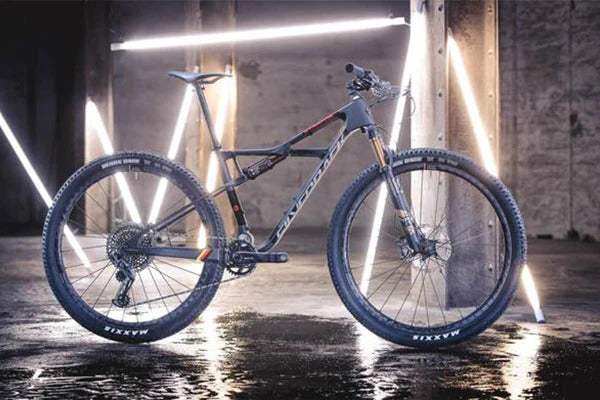
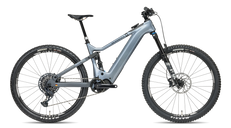
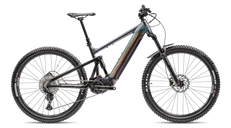
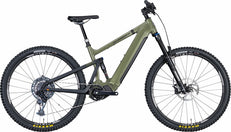
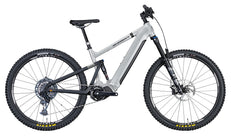
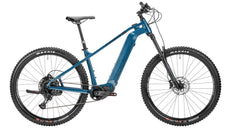
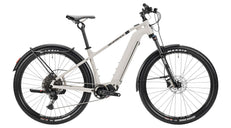
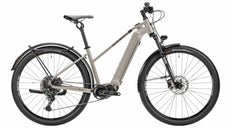
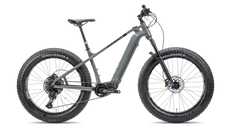
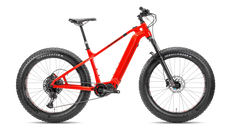
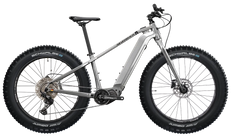
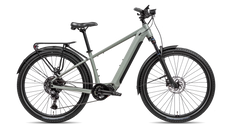
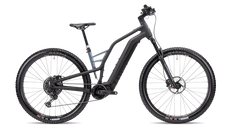
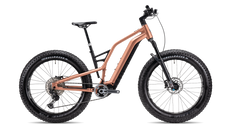
150/145mm Travel
 29" x 2.5" Wheels
 1x12 Speed SRAM AXS
 EP-801 Shimano Motor
 85Nm Torque
 720Wh Battery
 from 20.9kg


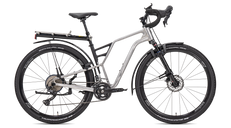
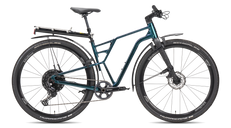
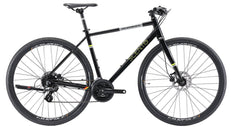
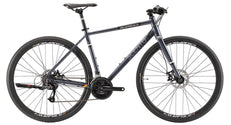
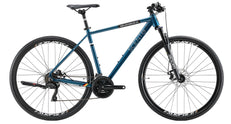
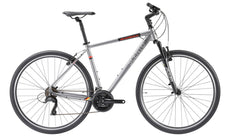
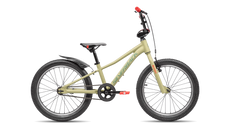
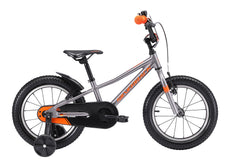
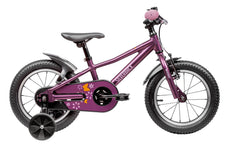
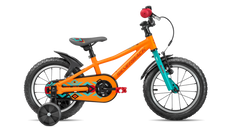




A safe braking system for kids’ bikes cannot be chosen by a component name alone. For parents seeking a reassuring bicycle, the practical priorities are suitable fit, usable controls, correctly functioning brakes and supervised learning. Confidence grows from understanding what the bicycle does, not from assuming that one feature removes every risk.
Controlled braking means slowing and stopping intentionally rather than depending on an adult to catch the bike. It is an important learning goal, but it does not establish readiness for traffic or unsupervised riding. Explore Silverback children’s bikes with that distinction in mind.
Why stopping deserves as much attention as pedalling
A child may be able to keep the pedals turning before they can stop where intended. Treat those as separate skills. A successful first ride should not become a reason to introduce speed, slopes or a busier setting before the rider understands the controls.
Look for deliberate, repeatable control
During supervised practice, watch for comfortable control use, intentional slowing, a secure stop and the ability to put a foot down. One successful attempt is encouraging, but repeating the task calmly is a more useful observation than a single exciting moment.
For a wider view of readiness, read our guide to children learning to ride independently. Independent pedalling and riding alone are different milestones.
What makes a braking setup suitable for a child?
Fit and control reach
Begin with the bicycle’s size and riding position. A child stretching for the handlebars has another task to manage before operating a brake. Compare the exact model’s sizing guidance with the child’s measurements, and assess fit under adult supervision.
Check that hand-operated controls are comfortably accessible without an awkward grip. If the bicycle has a coaster brake, confirm that the child understands back-pedalling. Do not assume that experience on one bicycle transfers automatically to another arrangement.
Correct assembly and maintenance
Have a qualified mechanic check the bicycle’s assembly and brake setup before first use, following manufacturer instructions. If stopping appears unreliable or the brake feel changes unexpectedly, pause riding and arrange an inspection. A child should not be asked to adapt to a suspected fault.
Use the 20-inch children’s bike buying checklist to review fit, equipment and setup before ordering.
Compare configurations without declaring a universal winner
Different brake and drivetrain arrangements require different skills. The following comparison refers to the reviewed Silverback Gen4 product descriptions. It is an equipment comparison, not a measured ranking of safety or stopping distance.
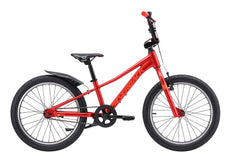
| Consideration | Skid 20 (Gen4) | Spyke 20 (Gen4) |
|---|---|---|
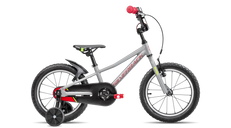
| Brake description | Front V-brake and rear coaster brake | Cable-operated disc brakes |
| Drivetrain | Single-speed | Shimano seven-speed |
| Fork | Rigid | Suspension |
| Learning question | Does the child understand the fitted hand and coaster controls? | Can the child manage braking and the additional shifting control? |
| Shared priority | Fit, setup and deliberate practice | Fit, setup and deliberate practice |
The Skid 20 (Gen4) offers fewer drivetrain controls for parents prioritising simplicity. The Spyke 20 (Gen4) offers a different equipment package for a child ready to use gears. Neither description proves suitability for every rider.
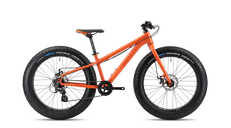
The orange Spyke 20 Gen4 in the banner illustrates general braking practice. It is not evidence that a power modulator is fitted to that bicycle.
Where does a Tektro power modulator fit into the picture?
The Tektro inline component described by specialist retailer Urbane Cyclist is a cable guide with an integrated modulating spring for linear-pull brakes. Its stated purpose is to limit leverage. This does not establish compatibility with every brake or guarantee prevention of skids, falls or wheel lock.
Our first companion article explains the Tektro brake power modulator for kids’ bikes. The second examines children’s bike brake safety and brake feel, including why a softer lever should not be mistaken automatically for better control.
Ask a qualified mechanic to identify the exact fitted part and approved setup. Do not remove or alter components using a general article as an installation guide.
A calm approach to supervised stopping practice
Choose the setting before the exercise
Use a clear, level practice area away from traffic. Begin with walking-speed movement and a simple request to slow and stop. Avoid slopes, obstacle courses or skid demonstrations as a way to test a beginner or a component.
Keep progress small and positive
Introduce one task at a time and allow breaks. If the child becomes tired, frightened or frustrated, stop the session. There is no dependable promise that a particular bicycle will produce confidence within a set number of lessons.
Pause when a control is difficult to use
If the child cannot reach or operate a brake comfortably, revisit fit and setup with qualified support. If braking seems inconsistent, address the bicycle before continuing practice. Do not compensate for a possible mechanical issue by asking the child to ride faster or pull harder.
Buying advice for the next riding stage
Choose features for the routes and skills your child actually has. A simpler setup may suit flatter learning areas; gears may become useful when the rider can manage shifting and the terrain warrants it.
Want to compare those approaches? Review the Skid 20 Gen4 details for a single-speed option, or check the Spyke 20 Gen4 specification for a geared configuration. Confirm the exact supplied model and arrange an appropriate fit assessment.
Frequently asked questions
Which brake system is safest for every child?
No universal winner is established here. Assess fit, accessible controls, correct operation and the child’s understanding of the actual bicycle.
Does a power modulator replace braking practice?
No. A component description does not establish that the rider can stop deliberately or react appropriately.
What if my child can pedal but cannot stop reliably?
Return to low-speed supervised practice after checking that the controls and setup are suitable. Pause riding for professional inspection if the brake itself seems unreliable.
Should I change brake parts myself?
Do not make compatibility or adjustment decisions from general buying advice. Follow manufacturer guidance and use a qualified mechanic.
Does confident stopping mean my child can ride alone?
No. Traffic judgment, hazard awareness and the setting involve additional skills and decisions. Continue appropriate adult supervision.
Build confidence around control, not promises
Choose a manageable bicycle, verify its setup and let deliberate stopping develop alongside pedalling. Find a Silverback children’s bike to shortlist and plan the next step around your child’s demonstrated control.
Source
Urbane Cyclist: Tektro power-modulating V-brake noodle. This component description does not verify a modulator on the Spyke 20 Gen4.