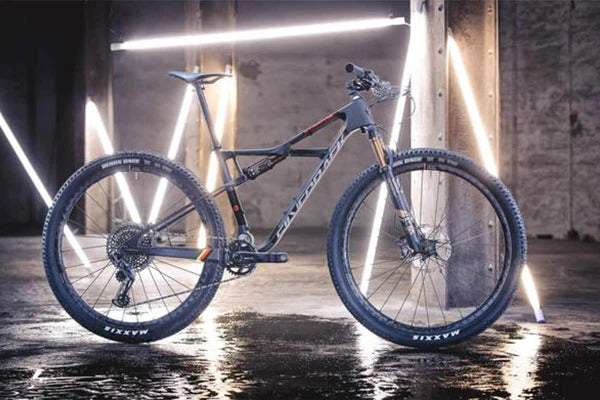
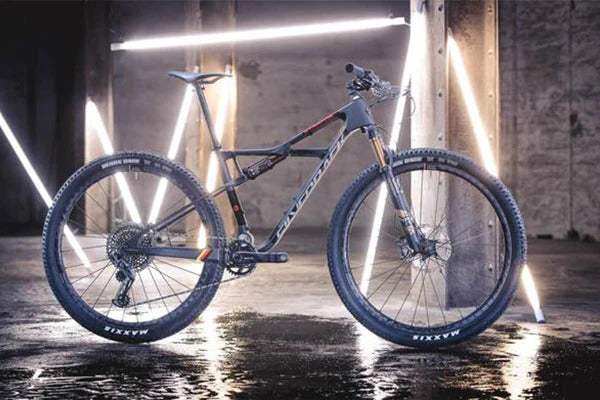
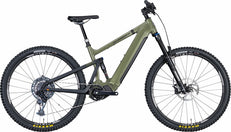
150/145mm Travel
 29" x 2.5" Wheels
 1x12 Speed SRAM AXS
 EP-801 Shimano Motor
 85Nm Torque
 720Wh Battery
 from 20.9kg


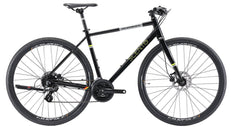
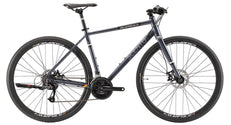
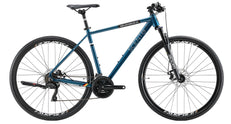
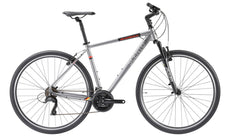
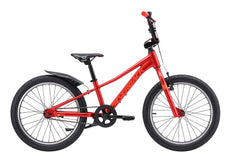
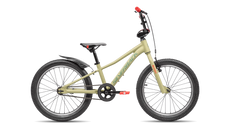
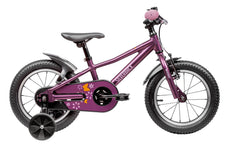
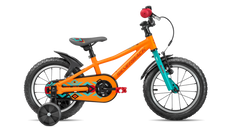
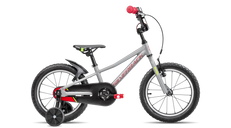






Children’s bike brake safety starts with a rider who can reach the controls, understand them and stop deliberately. A Tektro power modulator is one component to investigate within that picture. It should not be treated as a guarantee that braking will never feel sudden or that a wheel cannot skid.
The title describes the goal of controlled braking, not a measured result for every bicycle. Before choosing equipment, explore the Silverback kids’ bike range with fit, control access and the supplied specification in mind.
What does a brake power modulator mean?
Understand the specific Tektro component
Specialist retailer Urbane Cyclist describes the Tektro power-modulating V-brake noodle as a 90-degree cable guide with an integrated modulating spring. Its stated purpose is to limit leverage for linear-pull brakes. That description concerns a particular type of component, not every Tektro braking product.
Bicycle manufacturer Jamis describes power modulators on the front linear-pull brakes of certain Coda models as absorbing excess lever pressure. This illustrates the intended principle, but does not establish a tested benefit on a particular children’s bike. Our companion article on the Tektro brake power modulator for kids’ bikes explains the component and the evidence limits in more detail.
Modulation is not a substitute for an effective brake
The goal is understandable, deliberate control, not simply a softer lever. Do not interpret excessive lever travel, unreliable stopping or a change in brake feel as proof that a modulator is working correctly. Stop practice if braking appears unreliable and have the bicycle assessed by a qualified mechanic.
Three different problems parents should separate
A child may describe several issues as “the brake feels wrong.” The description alone is not enough to diagnose the cause. Watch what happens and arrange a professional check rather than changing components by trial and error.
| Observation | Question to investigate | Appropriate next step |
|---|---|---|
| The child stretches for the lever | Is control reach suitable? | Have fit and lever setup assessed |
| The child grabs the control abruptly | Do they understand the fitted brake? | Return to supervised low-speed practice after checking setup |
| Braking is inconsistent or the lever feel changes | Does the brake need inspection? | Pause riding and consult a qualified mechanic |
| A modulator is listed in the specification | Which exact part is fitted? | Confirm model-specific compatibility and instructions |
Which Silverback models mention a modulator?
The equipment records reviewed for the Skid 20 (Gen4) and Skid 20 (New Gen) list a brake power modulator. Those records do not establish the exact Tektro modulator part number. A Tektro-branded brake and a separately identified Tektro modulator are not the same specification claim.
The New Gen information also needs clarification: an individual specification mentions a Tektro side-pull front brake, while overview text describes a V-brake. Ask which assembly is supplied before making a compatibility decision. Do not assume that terminology describes interchangeable parts.
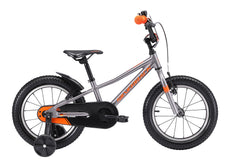
The banner uses the separate silver-and-orange Skid 20 photograph. It illustrates the topic; it is not a close-up identifying a Tektro component, a statement of current stock or confirmation of the pictured generation’s modulator specification.
Check fit and control access before adding features
A suitable bicycle is easier to assess
Measure your child and compare the exact model’s sizing guidance. During a supervised fit check, look for relaxed reach, manageable handling and a reassuring way to put a foot down. An oversized bicycle creates difficulties that a component label cannot resolve.
Our 20-inch children’s bike buying checklist covers fit and equipment questions. For handling checks, see the guide to lightweight children’s bicycles and easy control.
Identify both braking controls
Ask the retailer which control operates which brake on the actual bicycle. A rear coaster brake uses back-pedalling, while a hand-operated brake requires lever use. Familiarity with one bicycle does not establish that the child understands another.
Practise predictable stopping without testing the limits
Use a clear, level area away from traffic, with an adult supervising. Start at walking speed and ask for intentional slowing and stopping. Keep sessions short and positive, and stop when the child becomes tired or uncertain.
Do not ask a beginner to demonstrate a skid or emergency stop to prove a component’s function. Our guide to children learning to ride independently explains why basic bicycle control should be distinguished from readiness to ride unsupervised.
Buying advice: ask for the exact supplied setup
Want to compare a bicycle listing a modulator? Review the Skid 20 Gen4 details and ask which part is fitted. If considering the newer version, check the Skid 20 New Gen information and resolve the front-brake specification first.
Do not loosen cables, remove a modulator or swap a cable guide to reduce braking power based on a general article. Installation and adjustment depend on the exact system and should follow manufacturer instructions with qualified mechanical support.
Frequently asked questions
Does a power modulator stop all sudden braking?
No such guarantee is established here. The component description explains intended modulation, not prevention of every abrupt stop, skid or fall.
Is this the same as ABS?
Do not treat the described spring-equipped cable guide as electronic anti-lock braking. The sources reviewed do not establish wheel-lock prevention.
Does a softer lever always mean better control?
No. Lever feel must be assessed alongside effective operation and correct setup. Unexpected changes or unreliable stopping need professional attention.
Can a modulator fit any children’s brake?
Universal compatibility has not been established. The referenced Tektro component is described for linear-pull brakes; confirm the exact bicycle and part professionally.
Should I buy on the modulator feature alone?
No. Consider fit, usable controls, the supplied assembly and the child’s skills as a whole.
Choose a braking setup your child understands
Prioritise fit and correct setup, confirm component details and make supervised practice part of learning. Find a Silverback children’s bike to shortlist and choose for confident control rather than a safety slogan.
Sources
Urbane Cyclist: Tektro power-modulating V-brake noodle; Jamis Coda: manufacturer explanation of power modulators. These sources do not verify a particular Silverback modulator part number.