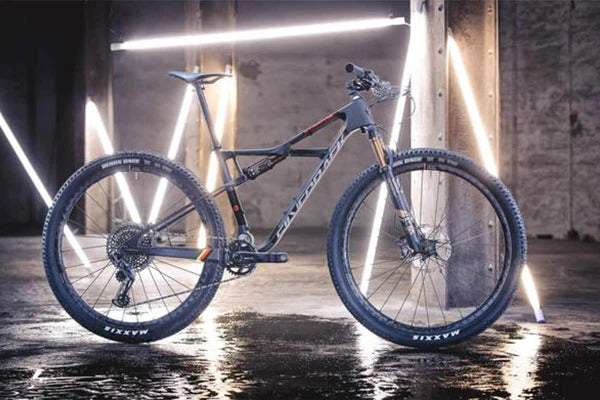
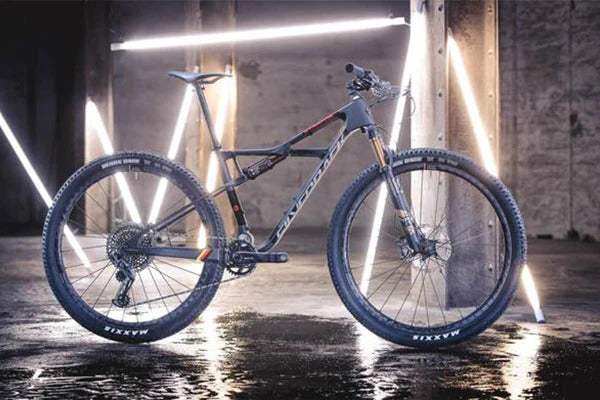
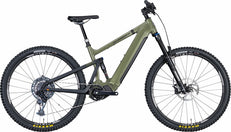
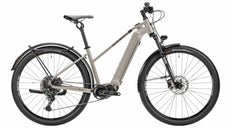
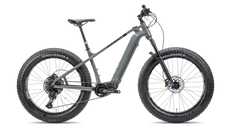
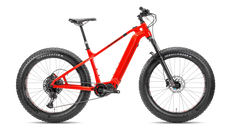
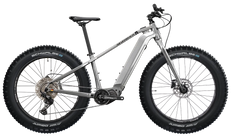
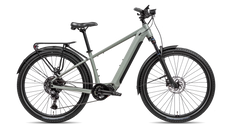
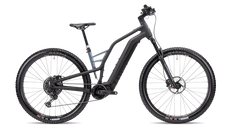
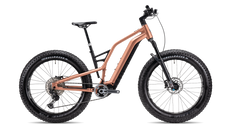
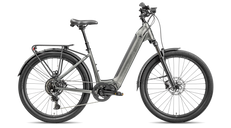
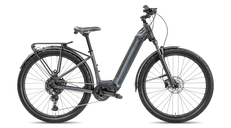
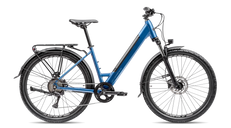
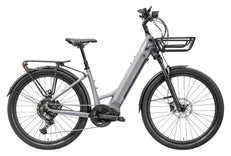
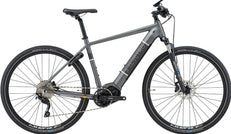
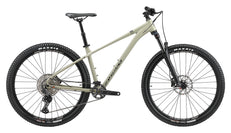
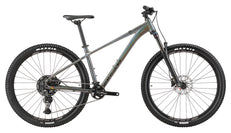
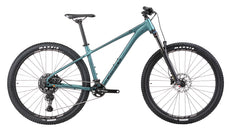
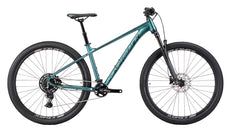
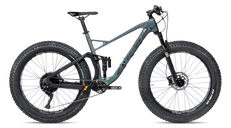
150/145mm Travel
 29" x 2.5" Wheels
 1x12 Speed SRAM AXS
 EP-801 Shimano Motor
 85Nm Torque
 720Wh Battery
 from 20.9kg


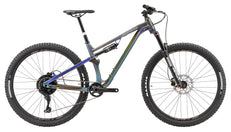
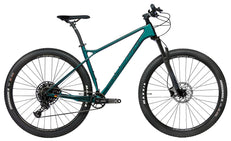
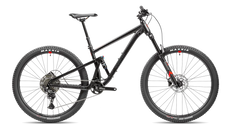
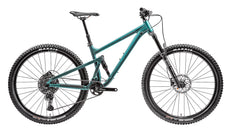
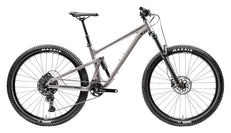
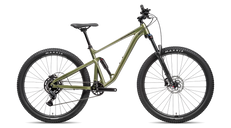
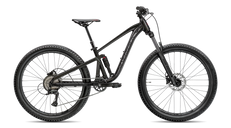
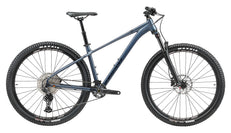
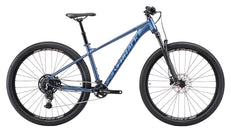
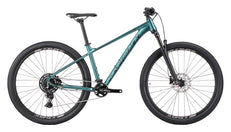
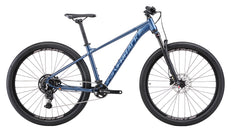
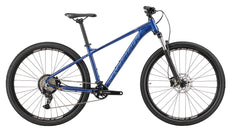
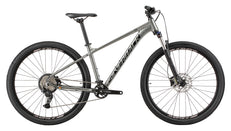
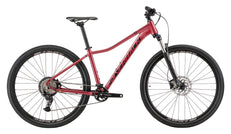
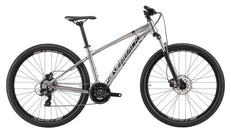
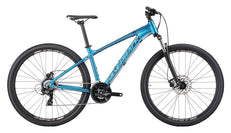
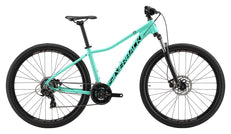
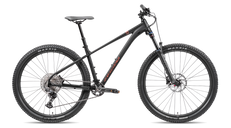
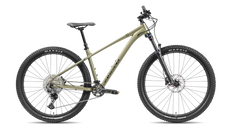
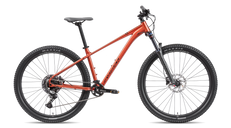
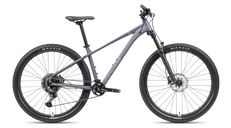
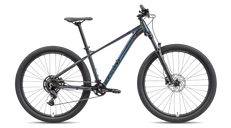
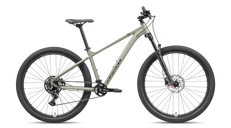
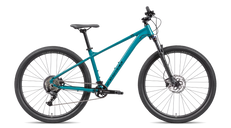
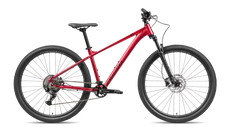
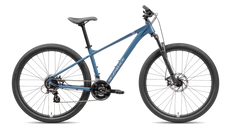
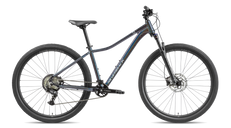
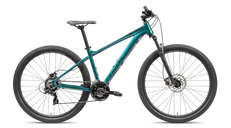
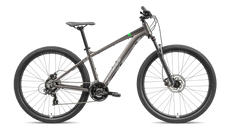
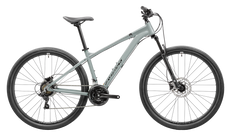
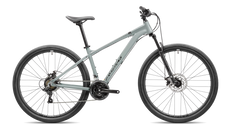
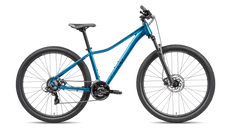
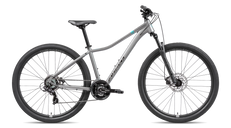
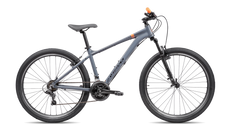
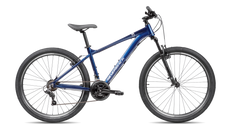
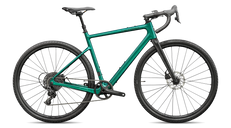
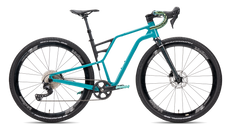
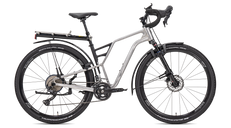
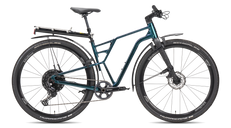
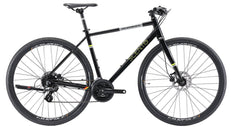
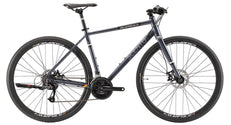
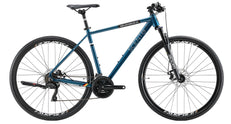
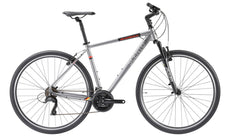
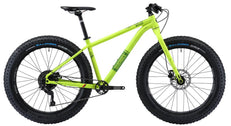
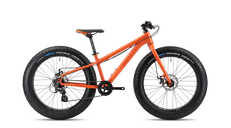
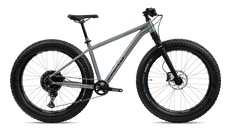
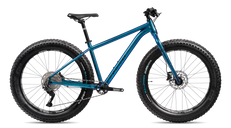
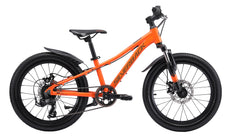
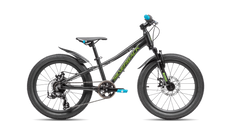
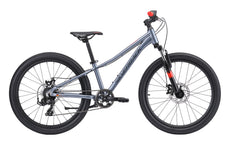
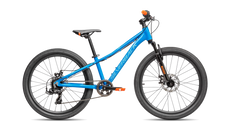
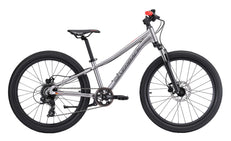
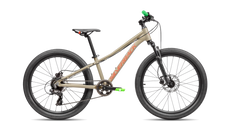
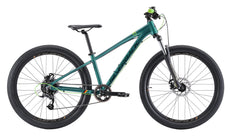
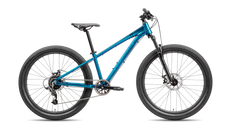
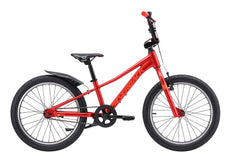
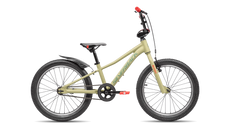
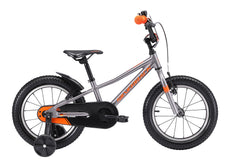
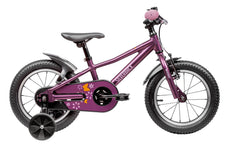
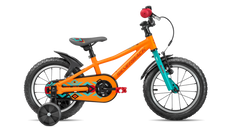
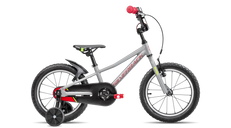




When buying a 20-inch children’s bike, check fit first, then manageable weight, usable brakes and equipment that suits the routes your child actually rides. Age labels and wheel size help you form a shortlist, but they cannot tell you whether a particular bicycle will feel comfortable or controllable.
A good purchase is a bike your child can enjoy now, not one they must grow into before riding confidently. Browse Silverback kids’ bikes, then use the practical checks below to narrow the options.
Start with fit, not a birthday
Two children of the same age can have different leg lengths, reach and riding experience. Equally, two bicycles with 20-inch wheels can have different saddle heights and frame proportions. Avoid treating wheel diameter as a complete size measurement.
Measure inside leg and check the actual model
Measure your child’s inside leg in their usual riding shoes and compare it with the exact model’s sizing guidance. During a supervised fit check, look for relaxed shoulders, comfortable handlebar reach and an easy way to put their feet down when stopping. A learner may need more reassurance at low speed than an experienced rider.
If the child has to stretch forward or struggles to dismount, reassess the size rather than expecting practice to fix the mismatch. For age-specific context, see our guide to choosing a 20-inch bike for a six-year-old.
Compare complete-bike weight and everyday handling
A lightweight frame does not establish how much the finished bicycle weighs. Forks, wheels, tyres, gearing and accessories all contribute. Ask for a complete-bike weight for the exact configuration, and check whether pedals or accessories are included before comparing numbers.
Try a walking-speed handling check
With adult supervision, let the child walk the bicycle, turn it around and hold it upright. Watch whether these tasks look comfortable. Then use a flat, clear practice area away from traffic for gentle starts and stops. Do not pressure the child to ride a bicycle they cannot yet manage.
Our guide to lightweight children’s bicycles and easy control explains why fit, weight and control access should be considered together.
Make sure the braking system suits your child
Hand-operated brakes need levers the child can reach and pull comfortably while maintaining a secure grip. A coaster brake uses back-pedalling instead, so it requires a different movement. Neither system removes the need for deliberate braking practice.
Have the actual brakes checked and adjusted by a qualified mechanic. At walking speed in a suitable practice area, confirm that the child understands the fitted controls and can stop intentionally. If they need to twist their hands or release their grip awkwardly, investigate the setup before riding farther.
Choose gears and suspension for a real need
For relatively flat practice routes, a single-speed drivetrain can keep the task simple. Gears become useful when a rider can operate the shifter confidently and the route includes changing gradients. Extra features should serve the child, not merely make the specification look more impressive.
Similarly, a suspension fork is not essential for every outing. Consider the riding surface, the child’s experience and the manageability of the complete bike. A rigid fork can be a sensible option for smoother everyday riding.
Silverback Gen4 equipment comparison
| What to compare | Skid 20 (Gen4) | Spyke 20 (Gen4) |
|---|---|---|
| Wheel size | 20 inches | 20 inches |
| Fork | Rigid | Suspension |
| Drivetrain | Single-speed | Shimano 7-speed |
| Brakes | Front V-brake, rear coaster brake | Cable disc brakes |
| Buying priority | Assess simplicity and braking familiarity | Assess gear confidence and route needs |
The Skid 20 (Gen4) is worth assessing when fewer controls are a priority. The Spyke 20 (Gen4) offers gears and suspension for a different riding brief. This table compares equipment, not measured weight or guaranteed suitability.
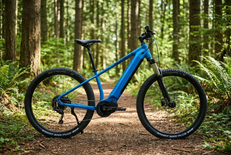
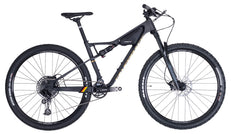
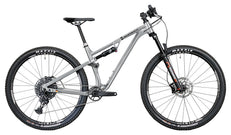
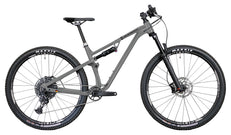
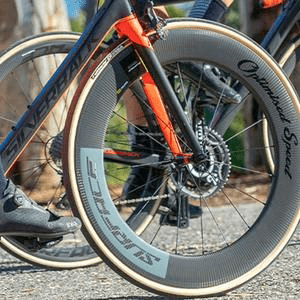
The hero photograph illustrates the separate Skid 20 Suspension model. It does not depict either Gen4 specification in this table, and it is not a statement of current stock availability.
Check setup and ownership details before ordering
Confirm which size, colour and generation you are buying. Product names can remain similar while components change. Ask what assembly is required, what inspection is recommended before the first ride and how replacement parts or servicing will be handled.
Consider accessories only after fit and controls are right. Added equipment changes the bike the child handles, so include it in your assessment. Avoid selecting an oversized bicycle simply to extend ownership: useful growing room must not undermine control today.
Ready to compare a simpler configuration? Check the Skid 20 Gen4 details against your child’s measurements. If hills and shifting are already part of their riding, review the Spyke 20 Gen4 equipment before deciding.
Frequently asked questions
Is a 20-inch bicycle suitable for every six-year-old?
No. Inside leg, reach, frame geometry and riding ability matter more than age alone. Use the specific model’s guidance and a practical fit check.
Should I buy a larger bike for growing room?
Only if the child can still control it comfortably now. Difficulty reaching the bars, stopping or getting off is a reason to reconsider the fit.
Is an aluminium frame enough to guarantee low weight?
No. Compare complete bicycles on the same measurement basis. Frame material does not account for the fork, wheels, drivetrain and accessories.
Does a beginner need gears?
Not necessarily. Simpler controls can suit flatter learning routes. Choose gears when the child can manage shifting and has a practical use for it.
What should I check before the first ride?
Follow the manufacturer’s setup instructions and have assembly, wheel security, steering and brake adjustment checked by a qualified mechanic. Begin in a clear practice area away from traffic.
Make the final choice with your child
Use the Silverback parent guide for broader sizing context, then let real fit and handling lead the decision. Find a Silverback children’s bike to shortlist and choose equipment that supports the way your child rides today.