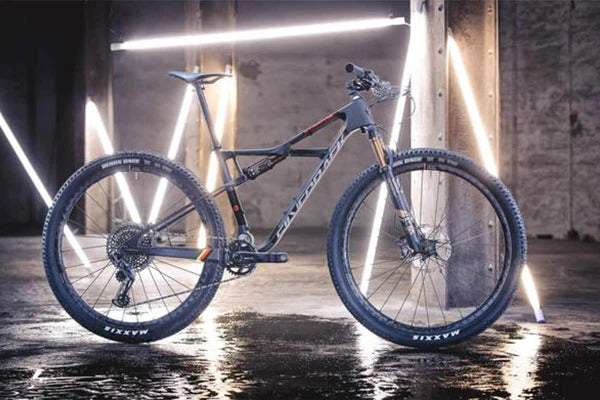
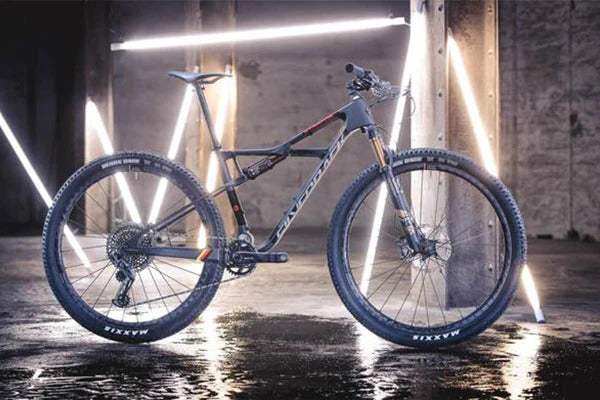
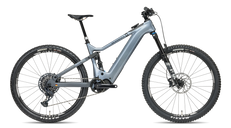
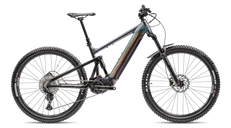
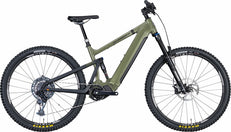
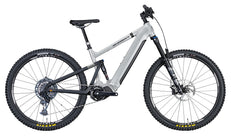
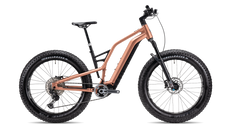
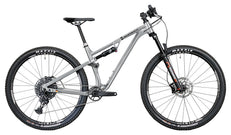
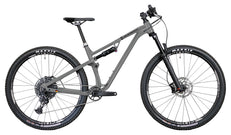
150/145mm Travel
 29" x 2.5" Wheels
 1x12 Speed SRAM AXS
 EP-801 Shimano Motor
 85Nm Torque
 720Wh Battery
 from 20.9kg
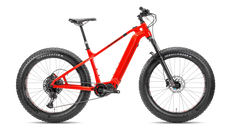

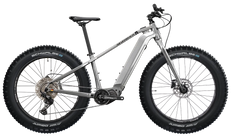

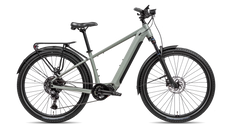
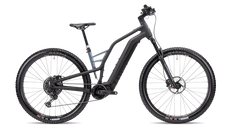
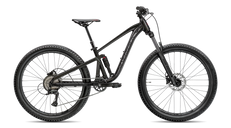
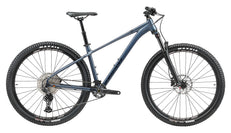
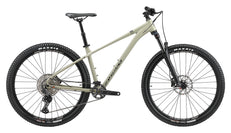
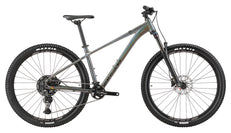
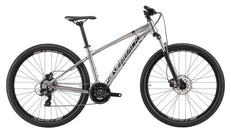
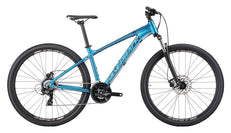
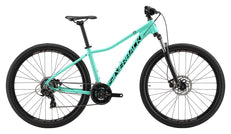
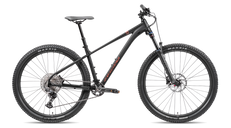
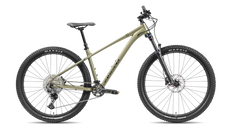
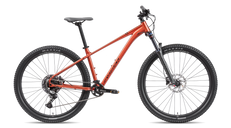
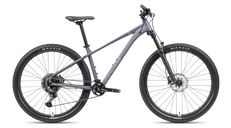
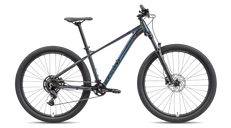
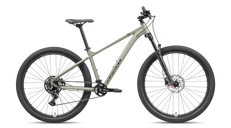
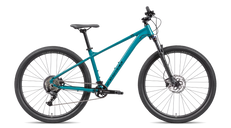
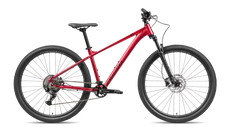
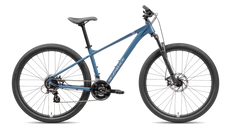
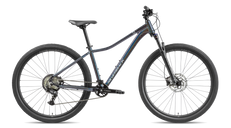
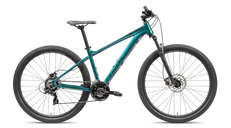
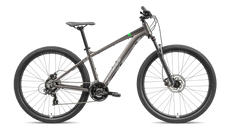
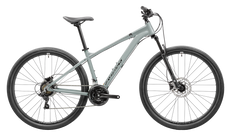
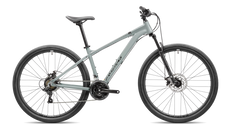
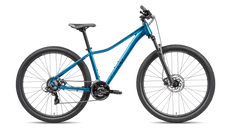
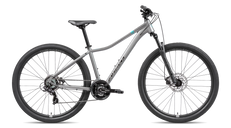
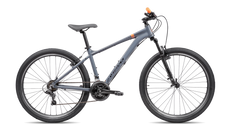
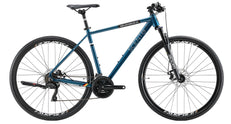
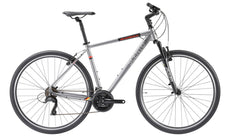
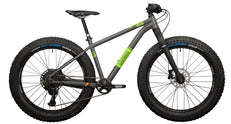
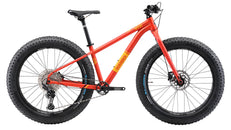
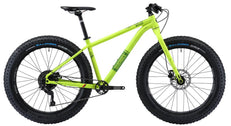
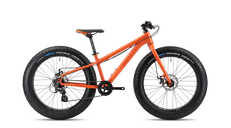
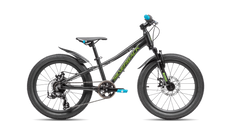
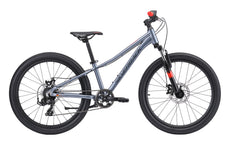
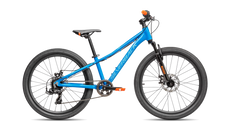
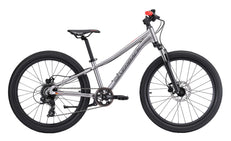
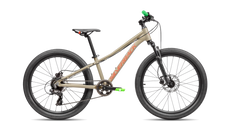
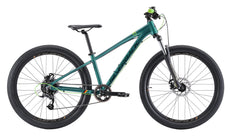
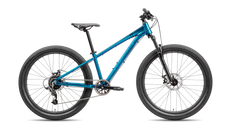
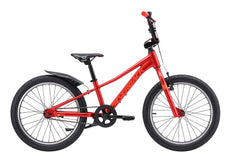
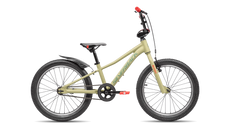
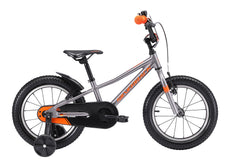
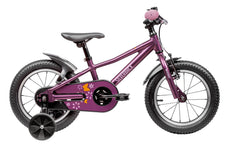
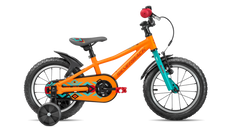




An aluminium children’s bike can be a good choice, but aluminium alone does not make a bicycle better. The useful question is whether the complete bike fits your child, feels manageable and has controls they can operate confidently. Frame material is one part of that decision, not a substitute for it.
For parents comparing children’s bicycles, the strongest starting point is practical: suitable dimensions, comfortable braking and equipment that matches the route. Explore Silverback kids’ bikes with those priorities in mind, then use material as one comparison point.
What an aluminium frame does, and does not, tell you
The frame connects the main parts of a bicycle, but it is not the whole bicycle. A material description does not tell you the finished weight, minimum saddle height, handlebar reach or how easily a child can use the brakes.
Compare complete bicycles rather than labels
Before comparing two models, ask for complete-bike weights measured on the same basis. Check the size and whether pedals and accessories are included. A bare-frame figure cannot be compared directly with the weight of a ready-to-ride bicycle.
Fork, wheel, tyre and drivetrain choices also contribute to the final package. An aluminium label therefore cannot establish that one assembled bike is lighter than another. Our guide to lightweight children’s bicycles and easy control explains the practical checks that matter alongside weight.
Aluminium versus steel: a useful buying comparison
A material-only ranking is too broad to guide an individual purchase. Instead, use the same questions for either option. The table below is a decision framework, not a claim that every aluminium or steel bicycle performs alike.
| Buying question | Aluminium-framed bicycle | Steel-framed bicycle |
|---|---|---|
| Is it manageable? | Check the complete-bike weight and handling | Check the complete-bike weight and handling |
| Does it fit? | Compare saddle range, reach and frame clearance | Compare saddle range, reach and frame clearance |
| Can the child stop confidently? | Test the actual brakes and control access | Test the actual brakes and control access |
| Is it good value? | Assess equipment, condition, setup and support | Assess equipment, condition, setup and support |
| What needs verification? | The specific model’s specifications | The specific model’s specifications |
Neither material label establishes comfort, durability or suitability by itself. Avoid paying extra solely for a frame description if the bicycle does not meet your child’s fit and control needs.
Fit matters more than a promising specification
Do not choose wheel size by age alone
Children of the same age have different proportions and levels of confidence. Measure inside leg in normal riding shoes, compare the exact model’s guidance and check handlebar reach. A bicycle with attractive equipment can still be the wrong size.
For a younger rider, our 20-inch bike guide for six-year-olds provides additional context. Treat it as a starting point rather than proof that every six-year-old needs the same wheel size.
Watch the child handle the bike
With adult supervision, ask the child to walk the bicycle, turn it and hold it upright. Then practise gentle starts and stops in a clear, level area away from traffic. Difficulty reaching the controls or getting off is a reason to revisit fit, not simply wait for growth.
Equipment can change the buying decision
A simple rigid-fork bicycle and a suspension-equipped model serve different needs. Gear selection adds another task, while a single-speed setup removes that control. Choose features because the child can use them and the route benefits, not because a longer specification automatically seems better.
Compare two different Silverback Gen4 approaches
The Skid 20 (Gen4) description specifies a rigid fork, single-speed drivetrain, front V-brake and rear coaster brake. It is a model to assess when simplicity is the priority. This does not establish its frame material or its exact complete-bike weight.
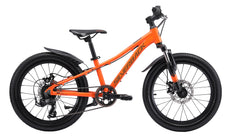
The Spyke 20 (Gen4) description specifies a lightweight alloy frame, suspension fork, Shimano seven-speed drivetrain and cable disc brakes. That equipment provides a different starting point for comparison, but no verified comparable kilogram figures are used here.
Ready to assess an alloy-framed option? Review the Spyke 20 Gen4 details and confirm sizing and current equipment. For fewer controls, compare the Skid 20 Gen4 configuration before deciding.
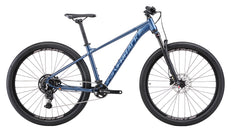
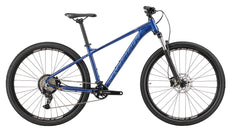
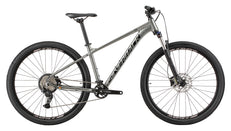
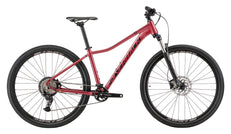
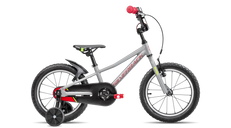
The banner uses a photograph of the separate Spyke 20 model, not the Spyke 20 Gen4 discussed above. It illustrates the topic without confirming that pictured generation’s frame material or current availability.
What to ask before buying
Request the exact model, generation, size and supplied specification. Confirm the complete-bike weight if that is important to your decision. Ask what assembly is required and arrange a qualified mechanic’s inspection before first use.
Consider the bicycle with the accessories your child will actually use. Added equipment affects the complete package, so repeat the handling check after setup. The Silverback parent guide offers broader context, while the kids’ bike collection helps you build a shortlist.
Frequently asked questions
Is every aluminium children’s bike lighter than a steel bike?
No such conclusion follows from the frame label alone. Compare the actual complete bicycles using equivalent sizes and measurement methods.
Is aluminium essential for a beginner?
No. A beginner needs a manageable, correctly fitting bicycle with usable controls. Material is secondary to those practical requirements.
Should I choose the lightest bike available?
Only if it also fits and has suitable controls and equipment. A low weight cannot compensate for excessive reach or a braking setup the child struggles to use.
Are gears more important than frame material?
They answer different questions. Gears may help on changing gradients when the child can shift confidently. For flatter learning routes, simplicity may be preferable.
What is the most useful first check?
Confirm fit, then assess how the child walks, starts, steers and stops the bicycle under supervision. Use specifications to support that assessment.
Choose the whole bike, not just its material
An aluminium frame can belong on your shortlist, but the best purchase is the complete bicycle your child can enjoy controlling today. Compare Silverback children’s bikes and prioritise fit, manageable weight and confident braking.