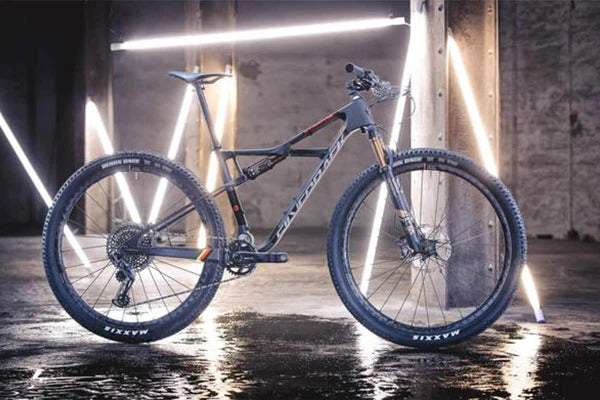
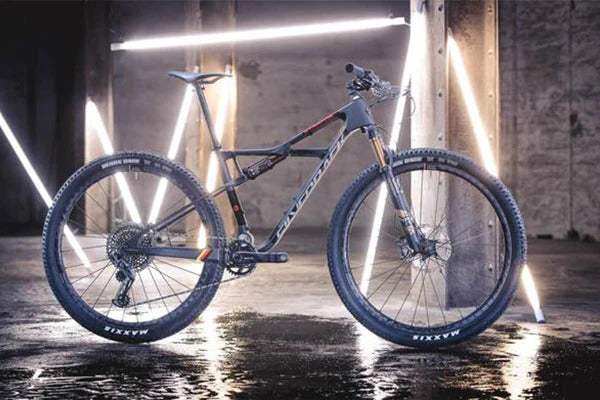
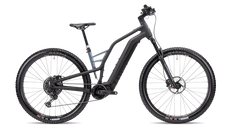
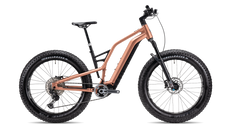
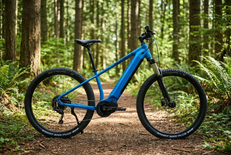
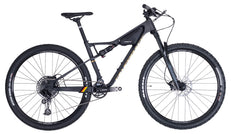
150/145mm Travel
 29" x 2.5" Wheels
 1x12 Speed SRAM AXS
 EP-801 Shimano Motor
 85Nm Torque
 720Wh Battery
 from 20.9kg


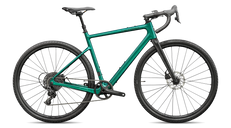
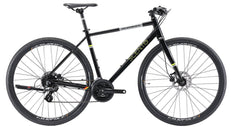
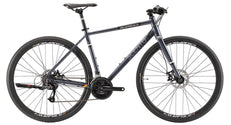
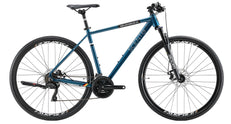
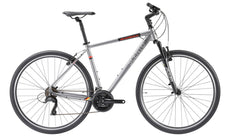
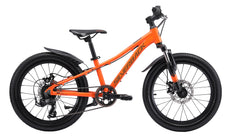
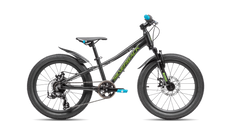
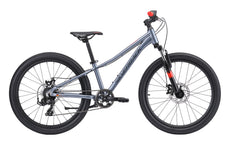
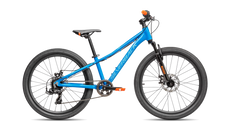
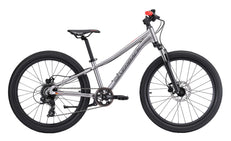
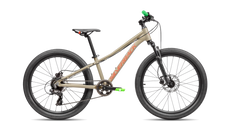
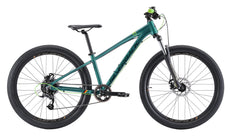
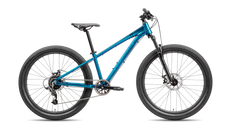
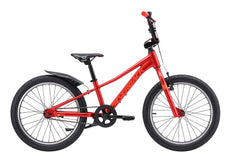
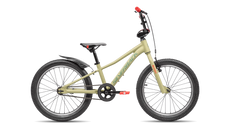
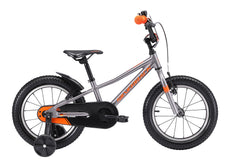




A suitable bike for children learning to ride independently is one they can balance, steer, start and stop without struggling with its size or controls. For a beginner practising on flatter ground, a correctly fitting bicycle with a simple drivetrain is a sensible starting point. More equipment does not automatically make learning easier.
Here, independent riding means controlling the bicycle without physical help. It does not mean a child is ready to ride alone or in traffic. Keep practice supervised and match each outing to the child’s demonstrated skills. Explore Silverback children’s bikes while using the fit and readiness checks below.
Choose the right fit before choosing features
A bicycle that is too large can make starting, stopping and getting off unnecessarily difficult. Age categories and wheel sizes can narrow your search, but they do not replace the exact model’s sizing guidance or a practical fit check.
Look for a reassuring riding position
Measure inside leg in normal riding shoes, then compare it with the bicycle’s guidance. Look for comfortable handlebar reach and a secure way to put the feet down when stopping. The child should not need to stretch forward or slide awkwardly on the saddle to reach the controls.
Avoid buying extra size solely for future growth. Growing room is useful only while the bike remains manageable today. If you are considering 20-inch wheels, our guide to a 20-inch bike for a six-year-old explains why age alone is not enough.
Make handling and braking easy to understand
Assess the complete bike, not just the frame
Ask for complete-bike weight for the exact configuration, rather than assuming a frame-material label proves lightness. Wheels, fork, drivetrain and accessories all contribute. Compare weights only when the measurement basis is equivalent.
With adult supervision, let the child walk the bicycle, turn it and hold it upright. Watch for strain or uncertainty before moving to a riding exercise. The lightweight children’s bicycle guide offers more detail on combining fit, weight and usable controls.
Teach the braking system actually fitted
Hand-operated brakes require reachable levers and comfortable pulling force. A coaster brake uses back-pedalling, which requires a different movement. Do not assume the child understands a new system because they have ridden another bicycle.
Before riding farther, practise deliberate stops at walking speed in a clear, level area away from traffic. Have a qualified mechanic check assembly and brake adjustment, and follow the manufacturer’s setup instructions.
Simple or geared: which configuration suits a learner?
A single-speed drivetrain removes gear selection from the early learning process. For flatter practice routes, that can help keep attention on balancing, steering and stopping. Gears become useful when the child can manage another control and the route includes changing gradients.
| Decision | Simple rigid-fork configuration | Geared suspension configuration |
|---|---|---|
| First skills to assess | Starting, braking and steering | Those same skills, plus gear selection |
| Route consideration | Smoother, relatively flat practice areas | Changing gradients and suitable uneven routes |
| Buying priority | Fit, manageable handling and familiar brakes | Fit, overall manageability and useful equipment |
| What it cannot guarantee | A particular learning speed | Easier learning simply through more features |
Two Silverback Gen4 models to assess
The Skid 20 (Gen4) description specifies a rigid fork, single-speed drivetrain, front V-brake and rear coaster brake. That makes it a practical model to assess when fewer controls are a priority, provided its fit and braking system suit the child.
The Spyke 20 (Gen4) description specifies a suspension fork, Shimano seven-speed drivetrain and cable disc brakes. It offers a different equipment package for a rider ready to use gears, but those features are not prerequisites for learning to pedal independently.
Want to start with a straightforward configuration? Check the Skid 20 Gen4 sizing and equipment. If the child already handles the basics confidently, compare the Spyke 20 Gen4 specification with your actual riding routes.
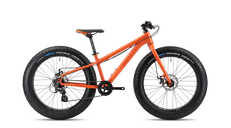
The banner depicts the separate silver-and-orange Skid 20 model, not the Skid 20 Gen4 discussed above. It illustrates the topic without confirming the pictured generation’s current availability.
Readiness checks before longer outings
Check repeatable skills, not one successful attempt
Watch whether the child can start with control, ride a gentle curve, slow intentionally and stop at a chosen point. They should also be able to put a foot down and get off comfortably. Keep practising where there is space to make mistakes without encountering traffic.
Progress without pressure
Use short, positive sessions and stop when the child becomes tired or frustrated. There is no reliable promise that a particular bicycle will teach every child within a set number of sessions. Introduce new surfaces and longer routes gradually, keeping adult supervision appropriate to the child and setting.
Before choosing, use our 20-inch children’s bike buying checklist to review fit, brakes and setup. If frame material is influencing your shortlist, read whether an aluminium children’s bike is better before deciding.
Frequently asked questions
Does a child need a 20-inch bike to learn independently?
No. The suitable size depends on measurements, proportions, the model’s geometry and riding ability. Choose a controllable fit rather than a wheel size associated with an age.
Are gears necessary for learning?
Not necessarily. A single-speed setup can suit flatter learning routes. Add shifting when the rider can manage it and has a practical use for it.
Is a coaster brake easier than a hand brake?
That depends on the child’s familiarity and the actual setup. Check that the child understands and can use the fitted system consistently, rather than assuming either is universally easier.
Does independent pedalling mean a child can ride alone?
No. Controlling a bicycle is different from judging traffic, reacting to hazards or navigating unfamiliar routes. Continue appropriate supervision.
What if the child can pedal but struggles to stop?
Return to supervised low-speed braking practice away from traffic. Check control reach, understanding and brake adjustment before progressing.
Choose confidence before complexity
Prioritise a reassuring fit, manageable handling and brakes your child can use deliberately. Then choose features that support their next realistic riding step. Find a Silverback children’s bike to shortlist and build confidence at the child’s pace.