Satatangot | Kaukosatatangot, joustavat ja jäykät

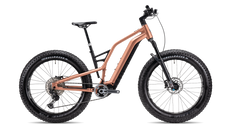
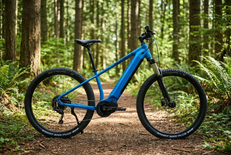
Satulatangot — kaukosäädettävät, joustavat ja jäykät maastopyöriin, gravelpyöriin ja fatbikeihin

Päivitä ajokokemustasi oikealla satulatangolla — olitpa sitten vauhdittamassa teknisiä singletrack-reittejä, ajamassa pitkiä gravelreittejä tai työskentelyssä fatbikellä. Silverback Bikesilta löydät huolella valitun valikoiman kaukosäädettäviä satulatankoja, joustavia satulatankojaja jäykkiä satulatankoja, jotka on suunniteltu suorituskykyä vaativille ajajille, jotka arvostavat tarkkuutta, luotettavuutta ja testattua kestävyyttä vaativissa olosuhteissa.

SP17-NCX - SEATPOST - Seatposts - Suntour - - - - Speedlab
TUOTETIEDOT icon-arrow
  • ★★★★★
    ★★★★★
  • €89,00
Surface Dropper Seatpost 30,9 hero shot showcasing sleek design
TUOTETIEDOT icon-arrow
  • ★★★★★
    ★★★★★
  • €169,00
Surface Setback Carbon Seatpost 27.2 mm in sleek design for lightweight performance
TUOTETIEDOT icon-arrow
  • ★★★★★
    ★★★★★
  • €139,00
VECNUM MOVELOC 2 | 200 mm | TRIGLOC-REMOT-MALLI
TUOTETIEDOT icon-arrow
  • ★★★★★
    ★★★★★
  • €449,00
graphic img
VECNUM DROPPER-SATULAPUTKI MOVELOC 2 KAUPPUKUNNALLISELLA LUKOLLA 200 mm, 509 g
TUOTETIEDOT icon-arrow
  • ★★★★★
    ★★★★★
  • €295,00
Surface parallelogram-SATULAPUTKI 30,9 x 350 mm
TUOTETIEDOT icon-arrow
  • ★★★★★
    ★★★★★
  • €89,90
by.schulz Jouskallistinpötkurinkulma G.2 ST 30,9x380 mm,  60-85kg
TUOTETIEDOT icon-arrow
  • ★★★★★
    ★★★★★
  • €189,00

Löydä oikea satulajalka pyörääsi

Oikean satulajalkan valitseminen on yksi merkittävimmistä parannuksista, joita voit tehdä maastopyörä-, gravel- tai fatbike-kokoonpanoosi. Oikea satulajalka parantaa ergonomiaa, voimansiirtoa ja luottamusta teknisessä maastossa lisäämättä kuitenkaan turhaa painoa.

Säädettävät satulajalkat - Hallitse satulan korkeutta polulla

Säädettävällä satulajallalla voit laskea ja nostaa satulaa lennosta etäkäyttövivun avulla, mikä pitää sinut hyökkäävässä asennossa alamäissä ja mahdollistaa tehokkaan polkemisen nousuissa. Moderniin maastopyöräilyyn ja aggressiiviseen gravelpyöräilyyn välttämättömäksi varusteeksi nousseet säädettävät satulajalkat ovat muuttaneet polku- ja enduroajajien kokemuksen eniten.

Keskeisiä etuja ovat parantunut pyörän hallittavuus jyrkissä alamäissä, vähentynyt väsymys ja nopeammat siirtymiset nousujen ja alamäiden välillä. Saatavilla vakioliikkeillä 60–200 mm ja halkaisijoilla 27,2 mm, 30,9 mm, 31,6 mm ja 34,9 mm.

Jousitetut satulajalkat - Vaimenna epätasaista maastoa tinkimättä suorituskyvystä

Jousitettu satulajalka toimii satulan kohdalla mikrojousitusjärjestelmänä, mikä vähentää tärinää ja väsymystä pitkillä ajoilla epätasaisilla teillä, sorateillä tai hardtail-maastopyöräpoluilla. Ihanteellinen ajajille, jotka haluavat mukavuutta vaihtamatta täysjousitettuun runkoon.

Jousitetut satuljalkat ovat erityisen suosittuja hardtail-fatbikeissa ja gravelpyöissä, joissa pelkkä rungon joustavuus ei riitä kesyttämään vaativia ajoesteitä.

Jäykät satuljalkat - Kevyttä tarkkuutta maantie-, gravel- ja kaupunkipyöräilyyn

Jäykkyyttä, painon säästämistä ja selkeää estetiikkaa arvostavalle ajajalle jäykkä satuljalka on edelleen kultainen standardi. Alumiinista ja täysin hiilikuidusta saatavilla jäykät satuljalkat tarjoavat maksimaalisen voimansiirron ja ovat ensisijainen valinta XC-kilpailijoille, gravel-retkeilijöille ja kaupunkipyöräilijöille.

Taaksepäin siirtävät ja nollavälyiset vaihtoehdot mahdollistavat satulan asennon optimoinnin voimansiirron ja mukavuuden takaamiseksi kaikissa geometrioissa.

Satulajalkan valinnassa kannattaa huomioida

Ennen satulajalkan ostamista varmista nämä kolme parametria, jotta varmistat yhteensopivuuden ja suorituskyvyn juuri sinun pyörääsi.

Halkaisija ja upotusmitta

Satulajalkan halkaisijan on vastattava tarkalleen rungon satulaputken sisähalkaisijaa. Yleisiä kokoja ovat 27,2 mm, 30,9 mm, 31,6 mm, ja 34,9 mm. Tarkista rungon tekniset tiedot tai mittaa satulaputken sisähalkaisija ennen tilaamista. Myös upotusmitta on tärkeä — varmista, että satulajalkassa on riittävästi näkyvää pituutta satulan korkeuteen noudattamatta samalla satulaputken minimiupotuspistettä.

Liike ja toiminta (säädettävät satuljalkat)

Säädettävän satulajalkan liike — satulan laskuväli — on sovitettava rungon satulaputken vapaaseen tilaan. Useimmat täysjousitetuissa maastopyöriä ajavat valitsevat suurimman mahdollisen liikkeen (125–200 mm), kun taas hardtail-ajajien on ehkä käytettävä lyhyemmän liikkeen satuljalkia (60–100 mm) välttääkseen satulaputken pituuteen liittyvät rajoitukset. Toiminta voi olla vaijerillista (mekaanista) tai hydraulista, joista kummallakin on omat kompromissinsa tunteen, huollon ja hinnan suhteen.

Materiaali — hiilikuitu vs. alumiini

Hiilikuituiset satuljalkat säästävät painoa (jopa 150 g verrattuna vastaaviin alumiinisiin) ja vaimentavat tien tärinää, mikä tekee niistä suosittuja gravel- ja maantiepyöriin. Alumiinisatuljalkat tarjoavat paremman kestävyyden, ovat edullisempia ja helpommin huollettavissa — ihanteellisia polkupyöräilyyn, kaupunkipyöräilyyn ja bikepackingiin. Tarkista aina kiinnityksen kiristusmomentit hiilikuituisia satuljalkia asentaessasi, jotta vältät vauriot.

UKK

A dropper seatpost allows you to remotely lower and raise your saddle height while riding using a handlebar-mounted lever. It's an essential upgrade for trail, enduro, and all-mountain MTB riders — it lets you drop the saddle on descents for a lower centre of gravity and more aggressive body position, then raise it back to optimal pedalling height in seconds. If you ride any technical terrain, a dropper post will immediately improve your confidence and control.

Travel refers to how far the saddle drops when the lever is activated. As a general rule: choose the maximum travel your frame's seat tube length allows. Most full-suspension MTBs accommodate 125–200 mm of travel; hardtails and bikes with shorter seat tubes may be limited to 60–100 mm. To find your maximum compatible travel, measure the distance between your optimal saddle height and your frame's seat collar, then subtract 10–15 mm as a safety margin.

Seatpost diameter must match your frame's seat tube inner bore exactly. The most common sizes are 27.2 mm (road and older MTB), 30.9 mm, 31.6 mm (most common on modern MTB), and 34.9 mm (enduro and DH frames). Check your bike's specification sheet, look for a marking stamped on the existing post, or measure the inner diameter of the seat tube with a calliper. Using an incorrect diameter — even by 0.1 mm — will cause slippage or prevent insertion.

Internal routing runs the cable or hydraulic hose through the frame's down tube or seat tube for a clean, protected look. External routing runs along the outside of the frame and is simpler to install and service. Most modern MTB frames support internal dropper routing; older or entry-level frames may require externally routed posts. Always check your frame's routing compatibility before purchasing.

Both options are available. Cable-actuated (mechanical) dropper posts use a Bowden cable from lever to post — they are lighter, easier to bleed-free maintenance, and more affordable. Hydraulic dropper posts use a fluid line for a more linear, consistent feel and are self-bleeding, but cost more and require occasional hydraulic servicing. Most riders are well served by a quality mechanical dropper post; hydraulic options are preferred by professionals and riders in extreme conditions.

A suspension seatpost incorporates a built-in spring or elastomer mechanism that absorbs vertical impacts and vibration at the saddle interface. It functions like a short-travel suspension system for your sit bones — reducing fatigue on long gravel rides, rough roads, or hardtail MTB trails. Suspension posts are ideal if you ride a rigid or hardtail bike on mixed or rough terrain and want improved comfort without changing your frame or adding a full rear-suspension system.

Most suspension seatposts are compatible with any bike that accepts a standard round seat tube — provided the diameter and minimum insertion length requirements are met. However, some posts have a longer total length that may not suit bikes with very short seat tubes. Always verify the post's total length and insertion requirements against your frame before purchasing.

Carbon seatposts are lighter (typically saving 50–150 g versus aluminium equivalents), stiffer in lateral flex, and absorb some road vibration due to the material's natural damping properties. They are the preferred choice for XC racing, gravel racing, and weight-conscious builds. Aluminium posts are more durable under abuse, significantly cheaper, easier to clamp without risk of damage, and simpler to service — making them the practical choice for trail riding, bikepacking, commuting, and everyday training.

Yes, with the right precautions. Always use carbon assembly paste on the post surface to allow secure clamping at lower torque values — this prevents slippage without over-tightening. Always torque to the manufacturer's specification (typically 5–8 Nm) using a calibrated torque wrench. Never use a standard quick-release clamp that doesn't have a defined torque limit with a carbon post, and avoid over-tightening, which can crush or crack the carbon fibre.

Maintenance requirements vary by post type. For cable-actuated posts: regularly inspect and lubricate the cable and housing, replace the cable if frayed or kinked, and clean the post stanchion (the lower sliding section) with a damp cloth — never use aggressive degreasers on the seals. For hydraulic posts: bleed the fluid circuit per the manufacturer's schedule (typically once per season or when feel becomes inconsistent), and inspect seals for oil weeping. Most quality dropper posts can be rebuilt with a service kit; many brands offer authorised service support.

The seatpost clamp diameter refers to the outside diameter of the seat tube — not the seatpost itself. Common clamp sizes are 28.6 mm, 31.8 mm, 34.9 mm, and 38.6 mm. This size is typically listed in your frame's specifications. A mismatched clamp will not seat securely and may damage the frame or post. If unsure, measure the outside of your seat tube at the clamp area.

Yes — dropper seatposts are increasingly popular on gravel bikes and fat bikes for technical terrain, steep descents, and bikepacking use. Ensure the post diameter matches your frame (fat bike frames commonly use 30.9 mm or 31.6 mm seat tubes) and that the frame's seat tube length allows sufficient travel. Some gravel and fat bike frames have limited seat tube clearance, so shorter-travel dropper posts (60–100 mm) are often the best fit.

Verkkokeskustelu on käytettävissä vuorokauden ympäri

Google
4,8/5
star star star star star
Myydään 49 maassa
logo
logo
Banner