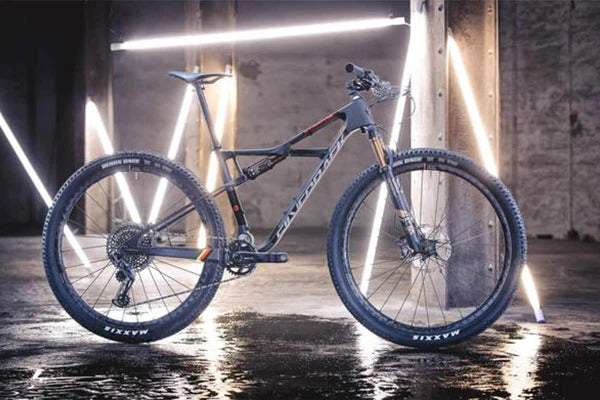
150/145mm Travel
 29" x 2.5" Wheels
 1x12 Speed SRAM AXS
 EP-801 Shimano Motor
 85Nm Torque
 720Wh Battery
 from 20.9kg
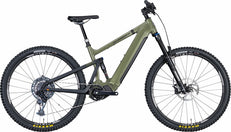
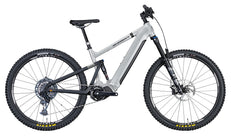
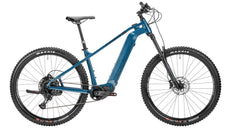
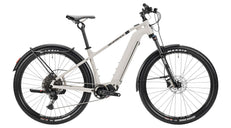
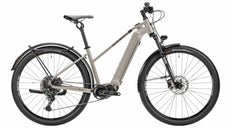
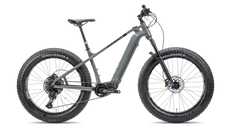
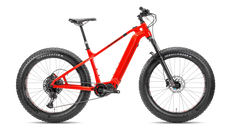

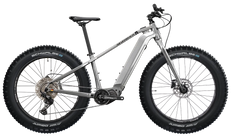

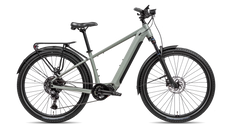
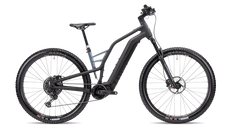
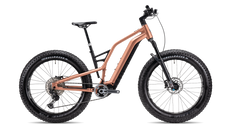
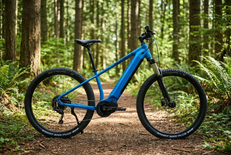
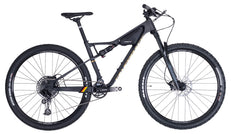
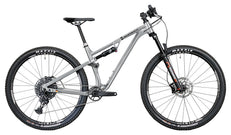
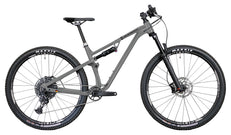
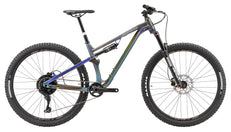
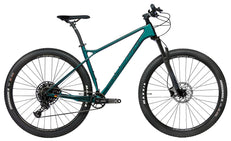
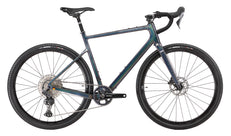
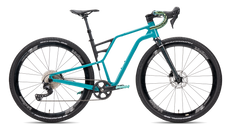
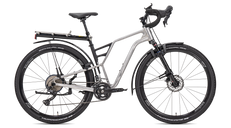
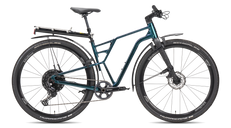





Choose Shimano EP801 if you prioritise a lighter drive unit and higher published peak output for demanding off-road riding. Choose EP6, whose drive-unit code is EP600, if you want strong assistance and the complete bike offers better value for your everyday routes. Both advertise a maximum torque of 85 Nm. Paying more for EP801 does not buy a higher headline torque figure.
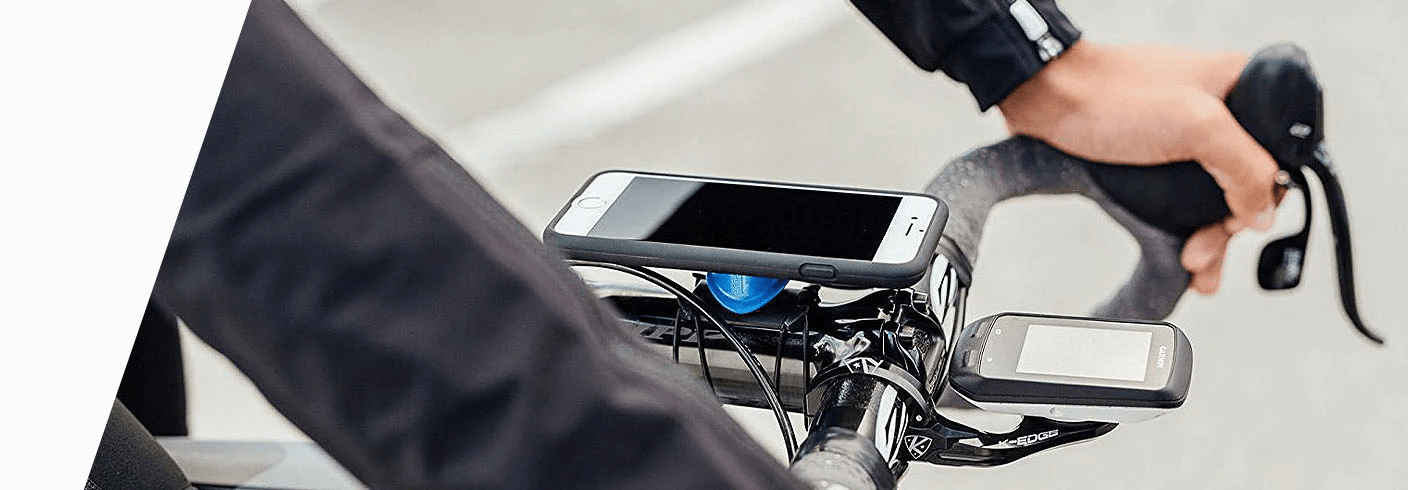
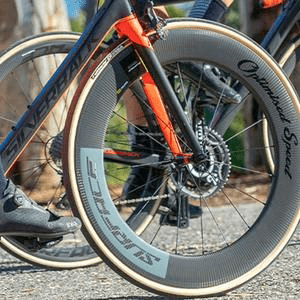
This Shimano EP801 vs EP6 comparison explains the specifications, the equipment-dependent features and the questions worth asking before buying. It is based on Shimano's published comparison, not a claim that we have independently measured both systems. The banner features the EP600-equipped Silverback S-Electro 85 (10spd).
Shimano EP801 vs EP6: specifications compared
| Specification | Shimano EP801 | Shimano EP6 / EP600 |
|---|---|---|
| Maximum torque | 85 Nm | 85 Nm |
| Rated continuous power | 250 W | 250 W |
| Published peak output | 600 W | 500 W |
| Drive-unit weight | 2.7 kg | 3.0 kg |
| Housing | Magnesium | Aluminium |
| AUTO SHIFT and FREE SHIFT capability | With compatible equipment | With compatible equipment |
These figures come from Shimano's EP801/EP6 comparison. They are drive-unit specifications, not complete-bike weights or guaranteed output on every climb. Check the exact model code and configuration rather than treating every bike described as “EP8” as an EP801.
Why equal torque does not mean identical performance
Torque measures turning force; power also depends on rotational speed. Shimano lists the same maximum torque but different peak outputs. That distinction makes EP801 worth considering for riders who frequently demand strong assistance, without implying that it will climb every trail faster.
Cadence, gearing, grip and the rider's contribution still shape the result. The broader lesson also appears in Avinox vs. Bosch: Is More Motor Power Always Better on an E-Mountain Bike?: useful assistance matters more than a number in isolation.
Which motor suits your riding?
EP801: prioritise performance without ignoring the chassis
EP801 is the stronger specification choice when higher published peak output and lower drive-unit weight matter to you. Its 300 g advantage is measurable on paper, but a battery, tyres and other components can easily change the weight ranking of complete bikes.
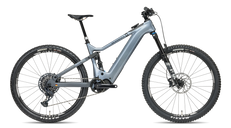
For demanding trail riding, compare geometry, suspension, braking and tyre suitability alongside the motor. The S-Electro Elite AL 1 is described as a Shimano-assisted enduro platform, but that description alone does not confirm an EP801 drive unit. Request the exact current build specification.
Looking for a carbon enduro platform? Explore the S-Electro Pro CF 2 and verify its motor code, battery and available size before deciding.
EP6: a practical choice for everyday and mixed riding
EP6 is not a low-torque alternative: its advertised maximum matches EP801 at 85 Nm. It deserves consideration for commuting, touring and mixed routes when the complete bike fits your needs. Compare actual prices rather than assuming every EP6 build is cheaper than every EP801 build.
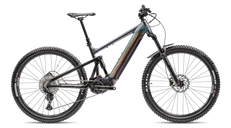
Consider the S-Electro 85 (10spd), listed with a Shimano EP600 motor, 630 Wh battery, CUES 10-speed drivetrain and a 100 mm air suspension fork. It provides a concrete EP6-equipped reference for daily routes and weekend exploration.
AUTO SHIFT and FREE SHIFT: check the drivetrain
Shimano describes AUTO SHIFT and FREE SHIFT capability for both EP801 and EP600 when paired with compatible DEORE XT Di2 or SHIMANO CUES Di2 equipment. FREE SHIFT enables gear changes while coasting through coordinated drive-system operation. These are system features, not automatic benefits of the motor badge.
A listing that says “CUES 10-speed” does not by itself establish CUES Di2 or automatic shifting. Ask whether the actual bicycle has the necessary electronic drivetrain and supported configuration. Do not assume a mechanical drivetrain will gain those functions through an app update.
Battery range and ownership: ask better questions
Neither maximum torque nor motor weight establishes range. Battery energy, assistance level, climbing, temperature, load and rider input all influence consumption. Compare similar routes and support settings, and leave a reserve rather than relying on a display estimate as a promise.
The S-Electro Diamond Trail is listed with a Shimano EP8 system and 720 Wh internal battery. Its larger capacity than the S-Electro 85's 630 Wh does not alone prove a longer range under different riding conditions. Our battery-range comparison guide explains the context that makes range claims useful.
Before buying, ask who handles local diagnostics, what maintenance the exact bicycle requires and how battery removal or charging fits your home. Comparative specifications do not establish which motor will last longer. Treat unsupported lifespan promises cautiously.
Considering other motor systems?
Keep the same buying method when comparing brands. Read DJI Avinox vs Shimano EP801, our 2026 Avinox vs. Bosch comparison and Avinox M2 vs M2S: What's the Difference?. Distinguish regular assistance from temporary peaks and verify the battery pairing.
Frequently asked questions
Is EP6 the same as EP600?
EP6 is the system name used in this comparison; EP600 is the corresponding drive-unit code. Verify that code on the bike's specification.
Does EP801 have more torque than EP6?
No. Shimano lists 85 Nm for both. EP801's published advantages here are higher peak output and lower drive-unit weight.
Will EP801 always travel farther?
No. Range needs a complete-bike and route comparison. The motor badge alone does not settle it.
Can every EP6 bike shift automatically?
No. The bicycle needs compatible electronic shifting equipment and a supported system configuration. Confirm the actual build rather than inferring capability from the motor name.
Choose the best complete bike for your routes
Shortlist EP801 for performance-focused priorities and EP6 when strong assistance in a well-equipped everyday bike is the better fit. Browse Silverback electric bikes and compare size, battery, brakes, drivetrain and ownership support before choosing.
Sources: Shimano's EP801 and EP6 comparison and Shimano AUTO SHIFT and FREE SHIFT explanation. Specifications checked for this November 2026 guide; configurations can change.